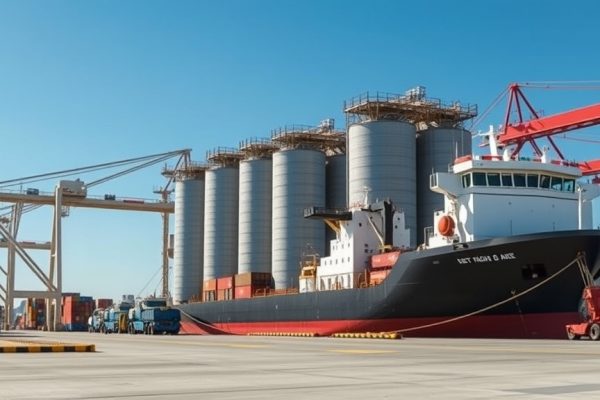
The United States is reportedly set to permit ‘dark fleet’ tankers to legally transport oil, marking a significant shift in maritime policy that could reverberate across global energy and shipping markets. This development, if confirmed with specific regulatory details, signals a potential recalibration of strategies concerning illicit or unregulated shipping operations, which have historically operated under opaque conditions.
Market Implications for Oil Supply
The legalization of ‘dark fleet’ tankers could introduce additional shipping capacity into the global oil supply chain. These vessels, previously operating outside conventional regulatory frameworks, may now contribute to the legitimate transport of crude, potentially easing logistical bottlenecks and influencing global oil prices. The increased availability of transport could, in theory, exert downward pressure on shipping costs for certain routes, offering a more diversified and potentially cost-effective means of crude delivery.
Impact on Shipping Sector Dynamics
For the broader shipping industry, this policy change presents a complex scenario. Established tanker operators might face new competitive pressures from a segment of the fleet previously deemed outside legal bounds. Conversely, the integration of these vessels into regulated trade could lead to greater transparency and standardization over time, though initial adjustments are likely to be significant. Investors in shipping stocks will be closely watching for details on how this integration will be managed and its effects on fleet utilization rates and freight earnings, particularly for companies with exposure to crude oil transport.
The move underscores a pragmatic approach to global energy security and supply chain resilience, potentially offering a new avenue for oil flow amidst evolving geopolitical landscapes. The financial community will be seeking clarity on the specific parameters of this legalization, including any new compliance requirements and oversight mechanisms, to fully assess the long-term market ramifications and adjust investment strategies accordingly.