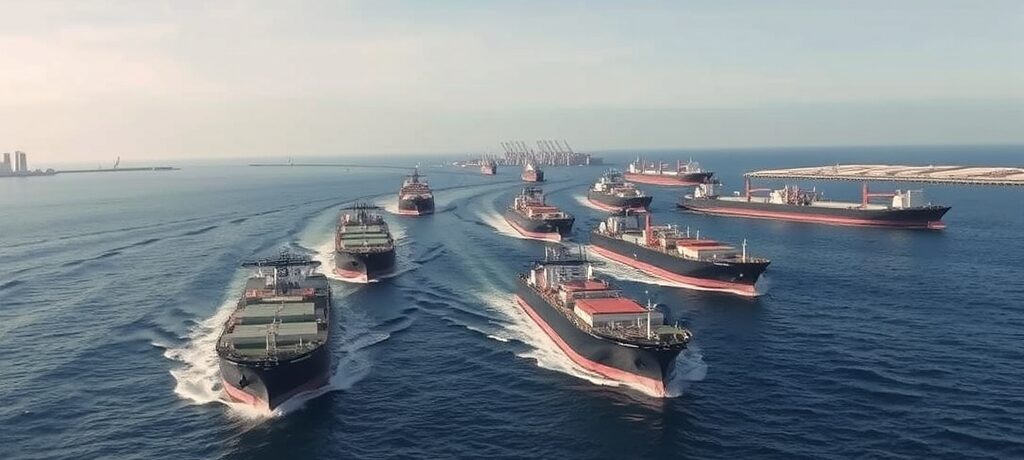
While global investors fixated on the delicate Iranian ceasefire this week, a far more urgent and desperate scramble for physical oil cargoes has been unfolding across the world’s energy markets. Traders and refiners are aggressively scouring the globe for immediately available supplies, pushing prices for prompt delivery to record highs and exposing a critical shortfall in crude.
Physical Market Frenzy Unprecedented
The intensity of this demand is starkly evident in the North Sea, considered the world’s most important physical crude market. This week alone, traders submitted an extraordinary 40 bids for cargoes, yet only four were met by offers. This severe imbalance has propelled prices for cargoes slated for delivery in the coming weeks to unprecedented levels, exceeding $140 a barrel. Refiners, facing dwindling immediate inventories, are now hunting further afield than ever before, leading to a series of unusual trades and a significant surge in premiums for any oil that can be shipped right away.
Neil Crosby, head of research at Sparta Commodities AS, encapsulated the situation, stating, “There is simply a shortage of crude.” He added, “Physical Brent is a mess and has now risen too far. At this rate even European refiners will have to lower utilization, perhaps as early as next month.” These panicky moves across key physical oil markets underscore the scale of the crude shortfall anticipated in the coming weeks, primarily due to the loss of supplies from the Middle East.
Divergence from Futures Market
This frantic activity in the physical trade stands in stark contrast to the sentiment in the futures market. Oil for delivery in June, for instance, saw a 13% decline this week, closing at approximately $95 a barrel. This drop was largely fueled by optimism surrounding the ceasefire talks, suggesting a disconnect between investor hopes for future stability and the immediate, tangible reality of supply constraints.
Dated Brent, the most crucial benchmark in the physical oil market, used to price millions of barrels daily, hit a record $144 a barrel before the ceasefire this week. This figure surpassed its 2008 highs, even as futures remained significantly below their record levels. By Friday, Dated Brent had eased to $126 a barrel, yet this still represented a premium of more than $30 above June delivery Brent futures. Major traders, including Trafigura Group and Gunvor Group, were observed bidding more than $22 a barrel above Dated Brent for North Sea cargoes scheduled for late April and early May. Similarly, supplies from Nigeria for loading next month have been offered as high as $25 per barrel above the benchmark, a dramatic increase from less than $3 before the Iran war commenced.
The ’40-Day Gap’ and Supply Reality
The immediate supply crunch is deeply rooted in the recent disruption to global energy flows. While there were early signs of increased activity in the Strait of Hormuz over the weekend, with two Chinese supertankers and one from Greece moving through the waterway, traffic remains well below pre-war levels. Even if ongoing talks lead to a resumption of normal flows through the strait, relief is unlikely to arrive soon enough to prevent an imminent crunch, as it typically takes weeks for crude from the Gulf to reach refineries in Asia and Europe.
Sultan al Jaber, chief executive officer of Abu Dhabi National Oil Co., highlighted this critical lag in a LinkedIn post on Thursday. He noted, “The final cargoes that transited the Strait of Hormuz before the conflict are now arriving at their destinations. This is where the paper traded markets are meeting physical reality, and the 40-day gap in global energy flows is truly exposed.” This gap is directly reflected in the substantial premiums refiners are willing to pay to secure near-term crude cargoes. Traders at some Asian refineries, speaking on condition of anonymity, confirmed they are no longer prioritizing price, but are instead focused solely on securing barrels of crude wherever possible to ensure energy security.
Implications for Refiners and Product Markets
The skyrocketing prices for physical crude are signaling that some European refiners will likely be compelled to follow their Asian counterparts and reduce production. While such a move might help to rebalance the crude oil market by curbing demand, it would inevitably deepen shortfalls in vital refined products such as diesel and jet fuel, impacting various sectors from transportation to industry. The immediate reality of a tightening physical market continues to overshadow the speculative optimism of the futures market, underscoring the severe challenges facing global energy supply chains.