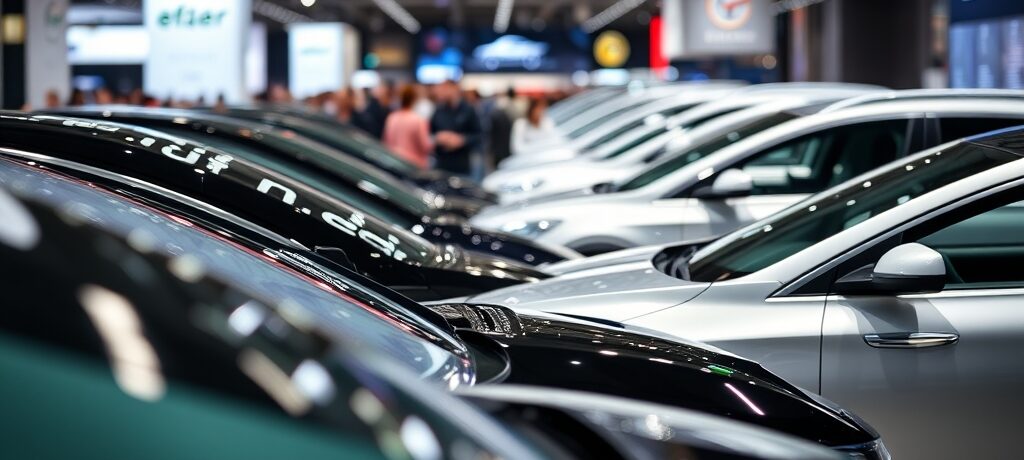
Escalating fuel prices, driven by the conflict in Iran, are compelling consumers to re-evaluate their transportation choices, with a noticeable uptick in interest surrounding electric vehicles (EVs). At the recent New York Auto Show, attendees expressed a growing openness to transitioning to EVs as a means to mitigate the impact of climbing petrol costs.
This shift in consumer sentiment is occurring against a backdrop of broader economic concerns. The fragile ceasefire in Iran, now entering its second day, has seen a relief rally lose momentum. Furthermore, the Organisation for Economic Co-operation and Development (OECD) has issued a stark warning of a “historic decline” in international development aid, a situation largely attributed to factors within the United States.
For consumers, the immediate impact of volatile global energy markets translates directly into higher expenses at the pump. This financial pressure is making the long-term savings potential of electric vehicles increasingly attractive. While specific sales figures were not detailed, the anecdotal evidence from auto show interactions suggests a significant increase in consumer inquiries and consideration of EV adoption.
The heightened interest in electric mobility indicates a potential acceleration of the transition away from traditional internal combustion engine vehicles, as consumers actively seek alternatives to cushion themselves from unpredictable fuel price volatility.