Indonesian nickel processors are facing significant output cuts as the nation implements a new benchmark pricing formula for nickel ore, effective Wednesday, April 15. This policy shift delivers a severe blow to a local processing sector already grappling with acute supply shortages and escalating raw material costs, according to a Bloomberg report.
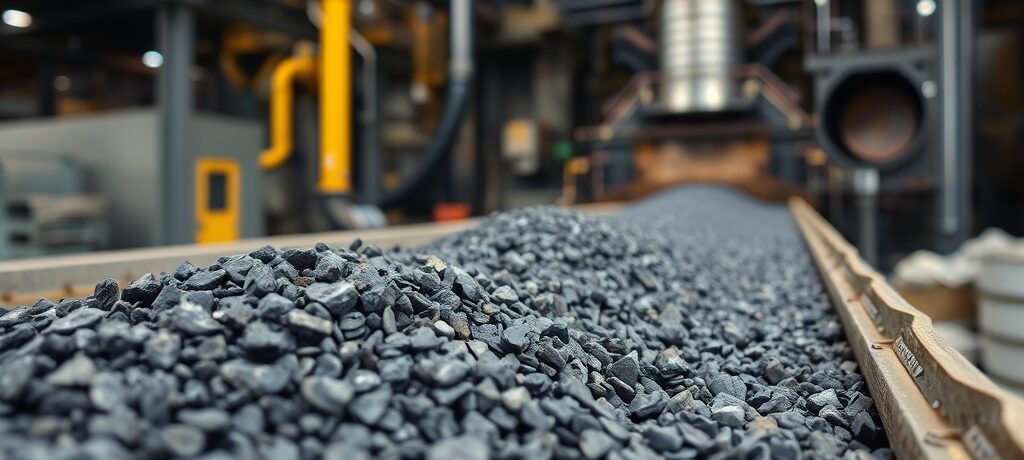
The revised pricing mechanism, which took effect this week, mandates higher price floors across all grades of nickel ore. A crucial component of this revision is the inclusion of by-product metals, such as cobalt, in the benchmark calculation. This move by the resource-rich nation is driven by rising budgetary strains, exacerbated by elevated oil prices stemming from the Middle East conflict, as Indonesia actively seeks to generate additional revenue.
Processor Profitability Under Duress
Indonesia’s benchmark prices, which are adjusted bi-monthly and are loosely tied to London Metal Exchange (LME) pricing, establish the legal minimum smelters must pay miners for raw ore. Following reports of the impending benchmark hike, nickel futures on the LME surged by as much as 2.6 percent, reaching a one-month high.
This policy shift represents a major setback for Indonesia’s vast downstream processing industry, which currently accounts for more than half of global nickel output. The timing is particularly punitive for high-pressure acid leach (HPAL) plants, which are highly complex, capital-intensive facilities designed to process low-grade ore into battery-grade material for electric vehicle manufacturers. HPAL operators are already contending with a sharp increase in the price of sulfur, a critical chemical reagent for the acid leaching process, due to the ongoing Iran war restricting Persian Gulf supplies.
Now, these operators face a ‘double squeeze’ as the cost of their primary feedstock, nickel ore, also rises. While tighter mining quotas had previously pushed the cost of high-grade saprolite ore well above existing government benchmarks, the new formula guarantees a mandatory price increase for lower-grade material as well. The direct hit to profitability is creating a scenario where some operators may be compelled to curtail production or resort to costly imports from neighboring countries like the Philippines.
Over the past several years, Indonesia saw massive downstream capacity expansion, creating a structural imbalance with the government’s recently tightened cap on domestic nickel ore supply. This ongoing shortage had already driven domestic ore premiums to extreme levels, with high-grade saprolite premiums recently rising as high as 60 percent above the government-stipulated floor price, according to a recent S&P Global brief.
Jakarta’s Strategic Pivot and Global Market Fractures
As of early 2026, the Indonesian nickel sector is rapidly transitioning from a period of unregulated oversupply to a new era of state-managed discipline. Indonesia has definitively abandoned its ‘growth at all costs’ model in favor of active supply and price control. Late last year, Jakarta significantly reduced mining quota validity from three years to one year. Subsequently, its total output target for 2026 was slashed to between 260 million and 270 million metric tons, a notable decrease from 364 million metric tons recorded last year.
Concurrently, the global market is fracturing geopolitically, particularly concerning the ‘green premium’ for lower-carbon nickel. Western manufacturers are increasingly seeking nickel sourced from projects outside Indonesia, driven by concerns over the environmental footprint of Indonesian supply. Historically, the low cost of Indonesian nickel has been associated with high carbon emissions due to a heavy reliance on captive coal-fired power.
Benchmark Mineral Intelligence estimates that less than a third of global nickel production currently originates from operators committed to environmental, social, and governance (ESG) transparency. Given Indonesia’s dominant position, accounting for over half of world production, the lack of transparency surrounding many operations—especially those established during the recent Chinese-backed nickel rush—makes it exceedingly difficult for automakers to verify the ethical footprint of their battery materials.
This divide culminated in intense lobbying from Western producers in 2024, who urged the LME to separate its nickel contract into ‘clean’ and ‘dirty’ variants. The exchange, however, resisted this move. “Separating ‘green’ and ‘dirty’ nickel would go against recent demands to rebuild liquidity on the LME following the nickel crisis,” Metalshub co-founder Dr. Sebastian Kreft told the Financial Times in an interview. Instead, the LME is promoting voluntary transparency, with platforms like Metalshub now allowing nickel sellers to upload product carbon footprint data alongside their offers.
Lingering Global Oversupply
Despite the regulatory tightening within Indonesia, the broader global nickel market remains heavily supplied. Throughout the first quarter of 2026, nickel prices experienced extreme volatility, dropping to roughly US$14,255 per metric ton in mid-December before surging to US$18,785 by late January. Prices have recently stabilized within a wide band of US$17,000 to US$18,800.
While Shanghai Futures Exchange warehouse inventories have shown a decline this year, LME inventories have continued their ascent, rising from 255,282 metric tons at the end of December to 282,792 metric tons by late March. Ultimately, the market requires massive demand growth to absorb the existing capacity. The trajectory now hinges on whether Indonesia’s regulatory squeeze forces enough local processors to shut down, thereby impacting global supply dynamics.