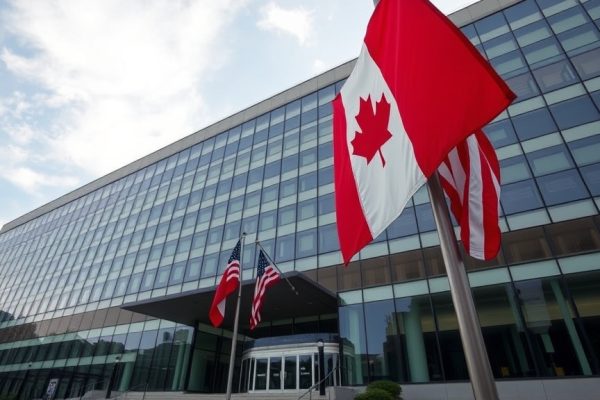
The United Kingdom has announced a significant trade deal with a bloc of six Gulf states, projected to inject £3.7bn into the UK economy. The agreement, struck with Bahrain, Kuwait, Oman, Qatar, Saudi Arabia, and the United Arab Emirates (UAE), is set to eliminate an estimated £580m annually in tariffs on British exports to the region once fully implemented.
Boosting British Exports and Business Expansion
The government has highlighted that the deal will also facilitate easier expansion and partnership opportunities for British firms within the Gulf, a move anticipated to generate jobs. Products such as cheddar cheese, butter, and chocolate are among those that will benefit from tariff reductions.
This trade agreement with the Gulf Co-operation Council (GCC) marks the third such accord secured by Prime Minister Sir Keir Starmer’s government, following previous deals with India and South Korea. Notably, it is the first trade agreement established between a G7 nation and the GCC.
Prime Minister Starmer described the GCC deal as a ‘huge win’ for British workers and businesses, predicting that working people will experience benefits through increased wages and expanded opportunities in the coming years.
Government Confidence and Industry Support
Business and Trade Secretary Peter Kyle stated that the agreement signals ‘a clear signal of confidence’ during a period of heightened global instability, providing UK exporters with the necessary certainty for future planning. Chancellor Rachel Reeves emphasized the deal as evidence of the government’s commitment to supporting British firms in competing internationally, asserting that the agreement is beneficial for jobs, industry, and consumers alike.
Criticism from Rights Groups
Despite the government’s positive outlook, human rights organizations have raised significant criticisms. The Trade Justice Movement has expressed concerns that the deal poses ‘serious risks to human rights, labour protections, and climate action.’
These concerns stem from the GCC’s track record, which includes restrictions on press freedom, the use of the death penalty, and substantial contributions to greenhouse gas emissions due to the region’s oil-dependent economies. The group argued that the deal ‘locks the UK into deeper commercial ties with some of the most repressive governments in the world, for economic gains so marginal they barely register.’
The Conservatives have framed the deal as ‘another major Brexit opportunity,’ suggesting that Labour risks jeopardizing such benefits due to its perceived pro-European stance.
The UK has also previously established trade agreements with the United States and the European Union. The newly announced GCC accord underscores the government’s strategy to forge new international trade relationships post-Brexit, aiming to bolster the national economy and create new avenues for British enterprise on the global stage.