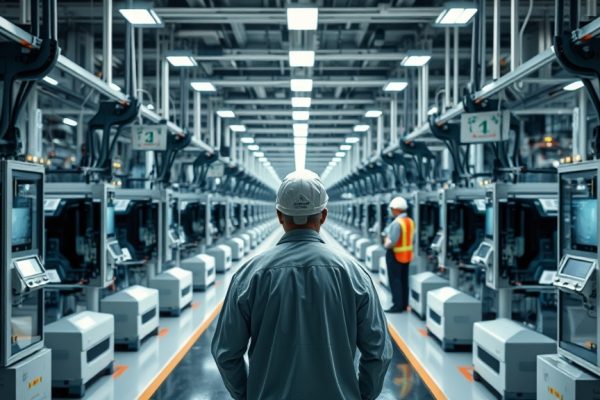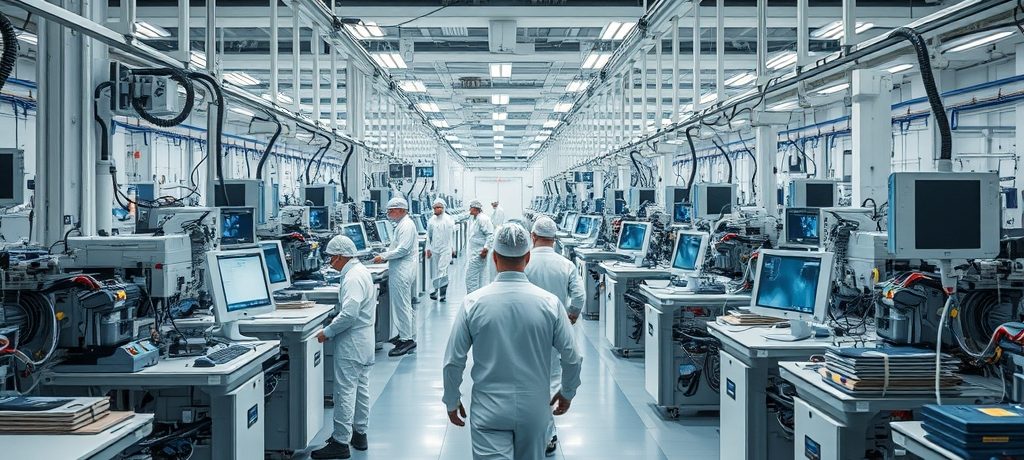
The artificial intelligence boom is generating unprecedented cash flows for Asian economies, particularly South Korea and Taiwan, creating a global economic phenomenon that mirrors the circular flow of money within the AI ecosystem itself. This influx of capital is, in turn, funding the massive investments required by global technology giants, known as hyperscalers.
Asia’s AI Earnings Fuel Global Investment
According to a recent analysis by Oxford Economics, technology-producing nations in Asia are converting substantial export earnings into external surpluses at a pace that outstrips domestic investment capacity. This situation is reminiscent of the Asian savings glut that helped keep U.S. borrowing costs low in the late 1990s and early 2000s.
Louise Loo, Head of Asia Economics at Oxford Economics, noted in the report that a portion of this capital is being channeled back into dollar-denominated assets. These investments indirectly bolster the financial conditions that underpin the capital expenditures of major tech companies such as Alphabet Inc., Meta Platforms Inc., Microsoft Corp., and Amazon.com.
“This framework of Asian savings recycled into US assets echoes Bernanke’s savings-glut framework two decades ago,” Loo stated, referencing the theory popularized by former U.S. Federal Reserve Chair Ben Bernanke. However, she added, “today’s AI-linked version of Asian surplus recycling is narrower and more concentrated.”
Economic Impact on North Asia
For much of North Asia, the surge in chip exports has been a powerful economic driver, more than offsetting the drag imposed by higher energy prices, exacerbated by geopolitical tensions such as the conflict in Iran. This export strength is fueling the fastest economic growth seen in decades in Taiwan and providing a significant boost to the tech-heavy economies of Japan and South Korea.
Companies at the forefront of chip manufacturing are experiencing a significant financial uplift. Taiwan Semiconductor Manufacturing Co. (TSMC), a critical supplier for industry leaders like Nvidia Corp. and Apple Inc., is a prime beneficiary. Similarly, Samsung Electronics Co. reported a remarkable 48-fold increase in profits for its semiconductor division in the first quarter, underscoring the immense demand for advanced chips.
Macroeconomic Imbalances Emerge
At a macroeconomic level, this AI-driven boom is creating substantial imbalances. Recent data indicates a significant expansion in current account surpluses for key Asian economies. Taiwan’s current account surplus, for instance, jumped 111% year-on-year to $62.5 billion in the first quarter. The robust demand for chips shows no signs of abating, with South Korean export figures for the first 20 days of May soaring by nearly 53% compared to the same period last year, even after adjusting for working day differences.
The excess earnings accumulated by Asia’s leading economies now substantially exceed the surpluses generated by Gulf Arab economies, which historically played a pivotal role in the petrodollar system. According to a note from Gavekal Research, the future of de-dollarization may be more significantly influenced by how Northeast Asia manages its surpluses than by any reduction in petrodollar recycling in the Middle East.
Concentration and Potential Vulnerabilities
While the AI boom presents a powerful engine for economic growth and investment, the concentration of surplus formation within a select group of upstream Asian technology economies and the primary demand originating from U.S. hyperscalers also introduces potential vulnerabilities. This concentrated flow of capital could create dependencies and expose the global financial system to risks should disruptions occur within these key nodes of the AI supply chain and investment cycle.
The current economic dynamic, driven by the insatiable demand for AI-enabling semiconductors, is creating a powerful and concentrated financial cycle. As Asian chipmakers reap record profits, their earnings are being reinvested globally, primarily supporting the massive infrastructure build-out by hyperscalers. This circular flow, while currently fueling growth, highlights the interconnectedness and potential fragilities within the global AI economy.