PORT SULPHUR, La. — The Gulf shrimp industry, a cornerstone of the region’s economy for generations, is confronting an unprecedented economic crisis as escalating fuel costs collide with a market saturated by inexpensive imports. Shrimpers, already operating on razor-thin margins, are now seeking urgent congressional intervention to ensure their survival.
Fuel Costs Skyrocket, Forcing Shrimpers Ashore
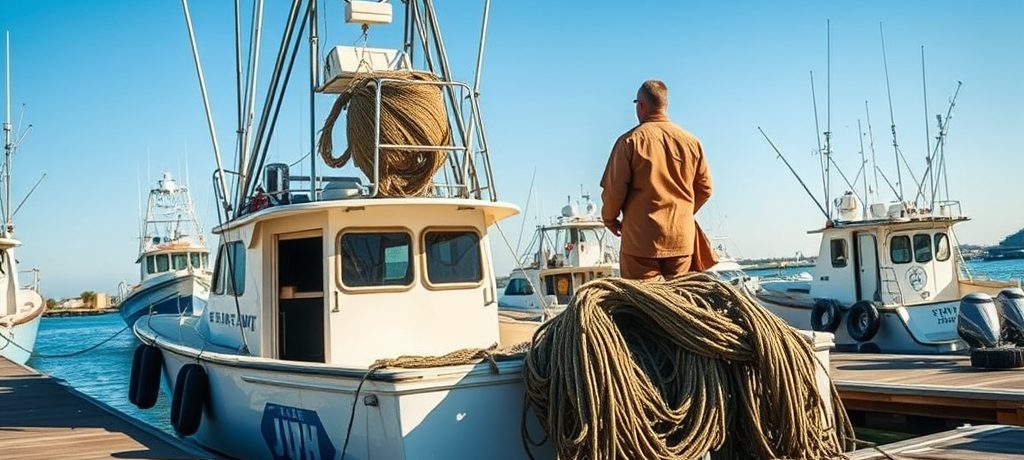
For veteran shrimper Acy Cooper, the economic pressures have become so severe that his primary vessel, the Lacy Kay, a 31-foot trawler named after his wife and daughter in 1983, remains tied at the dock in Venice, Louisiana. Cooper, who has been shrimping since age 15, has been forced to take a second job ferrying oil rig workers to offshore platforms, a stark departure from his decades as a boat owner.
‘I’m making money,’ Cooper stated, ‘Not what I would be making, but you take what you can get.’
The immediate catalyst for this shift is a dramatic surge in diesel prices, which jumped from approximately $3.50 a gallon to over $5 by spring, an increase of more than 50% in just three months. This spike, attributed to the war with Iran and the closure of the Strait of Hormuz, represents an existential threat to an industry already under immense strain. Cooper noted, ‘You can’t make enough money during this shrimp season in order to make it all here. So we have to supplement our way of life.’
To merely break even, Cooper now requires a haul of at least a thousand pounds of shrimp per trip, a target increasingly difficult to meet due to environmental factors like a cold front in May that pushed shrimp into open water, exacerbated by coastal erosion reducing vital marshland.
Decades of Market Erosion and Collapsing Prices
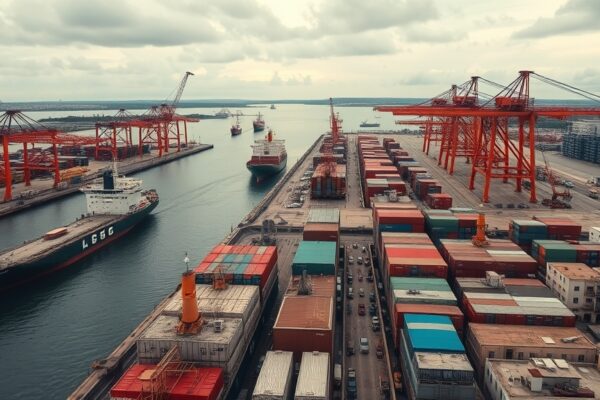
The current fuel crisis exacerbates a long-term decline in the domestic shrimp market, primarily driven by a flood of cheaper, farm-raised imports from countries such as India and Ecuador. By 2023, these imports accounted for more than 90% of American shrimp consumption, according to a report from NOAA.
The U.S. Gulf fleet’s share of the domestic market has plummeted from nearly 30% in 1984 to a mere 4.5% in 2023. This market shift has had a devastating impact on dockside prices. Adjusted for inflation, prices have fallen from over six dollars a pound forty years ago to under two dollars in 2023, marking an all-time low. Consequently, Gulf shrimp revenue was more than halved between 2021 and 2023, dropping from $489 million to $221 million.
These brutal economics have decimated the ranks of home-grown shrimpers. Louisiana, which boasted nearly 20,000 shrimpers in the mid-1980s, now has fewer than 1,400.
Industry-Wide Strain and Legislative Appeals
Blake Price, director of the Southern Shrimp Alliance, an organization lobbying on behalf of commercial shrimpers from North Carolina to Texas, underscores that the industry was already in a precarious position before the recent fuel crisis. ‘This industry could absorb an increased fuel cost a lot better if our markets were strong and hadn’t been flooded with foreign, farm-raised product,’ Price explained.
There were brief signs of recovery last year when imported shrimp was subject to President Trump’s tariffs, leading to a tick upward in dockside prices. This encouraged some shrimpers to reinvest in their vessels, anticipating a more successful spring season. However, the subsequent fuel price spike negated these gains.
The operational costs for larger offshore freezer boats are staggering; a single 30-day trip can demand between 9,000 and 12,000 gallons of diesel. Price cited an Alabama operator who reported spending $47,000 on fuel before even leaving the dock, a $20,000 increase from the previous year.
Seeking a Level Playing Field from Washington
In response to the escalating crisis, shrimpers are actively pressing Washington for relief. Key legislative efforts include the ‘Save Our Shrimpers Act,’ which has passed the House with broad support and is currently awaiting action in the Senate. This legislation aims to prevent U.S. taxpayer dollars from subsidizing foreign shrimp aquaculture operations that directly compete with American fishermen.
Additionally, the USDA recently established a new Office of Seafood, which Price hopes will pave the way for assistance programs traditionally available to land-based farmers but historically inaccessible to the fishing industry. ‘We’re not asking for checks or a payout,’ Price clarified. ‘We just want a level playing field.’
Acy Cooper, reflecting on his decades at sea and his current necessity to supplement his income, echoed this sentiment. As he prepared to ferry another round of rig workers, his message to Washington was direct: ‘Help us with these fuel prices. We’re farmers of the sea. We want something to fall back on when something like this happens, so we can be taken care of also.’
Until meaningful changes occur, the Lacy Kay will remain moored in Venice, a silent testament to the severe economic headwinds buffeting the Gulf’s shrimping community, waiting for the market dynamics and policy landscape to shift in their favor.