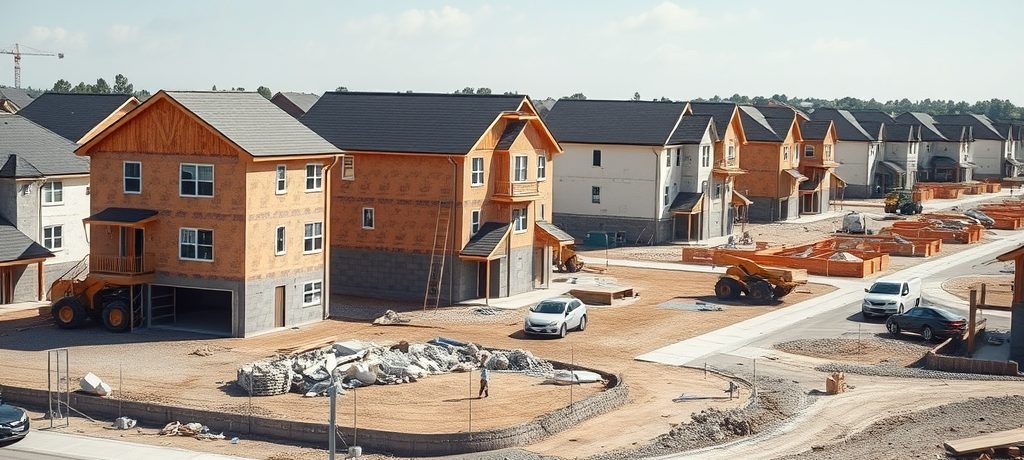
U.S. home sales experienced a significant rebound in May, accelerating to their fastest pace this year despite a persistent rise in mortgage rates and record-high prices. This surge marks a sharp turnaround for the housing market, which had seen a lackluster start to the spring homebuying season.
Sales Data Exceed Expectations
Sales of previously occupied U.S. homes climbed 3.2% in May from the prior month, reaching a seasonally adjusted annual rate of 4.17 million units, according to the National Association of Realtors (NAR). This figure not only surpassed economists’ expectations of approximately 4.07 million units, as tracked by FactSet, but also represented a 3.2% increase compared to May of the previous year.
While this pace is the quickest since December, it remains considerably below the historic norm, which typically hovers closer to 5.2 million annual sales. Geographically, NAR reported sales increases in the Midwest, South, and West, though the Northeast experienced a decline.
Record Prices Continue Upward Trend
The upward trajectory in home prices continued nationally, with the U.S. median sales price reaching an all-time high for any May on record. At $429,300, the median price in May was up 1.3% from a year earlier, marking the 35th consecutive month of annual price increases.
This sustained appreciation occurs even as the broader U.S. housing market has been in a slump since 2022, a period characterized by climbing mortgage rates from pandemic-era lows. Last year, sales of previously occupied homes were essentially flat, registering a 30-year low, and had remained sluggish through the first quarter of this year, with April sales also flat after earlier declines.
Mortgage Rate Dynamics and Geopolitical Influence
The resilience in May sales is particularly notable given the prevailing mortgage rate environment. Homes purchased last month typically went under contract in March and April, when the average rate on a 30-year mortgage fluctuated between 6% and 6.46%, according to mortgage buyer Freddie Mac. While the average rate of 6.48% last week was lower than the 6.85% recorded a year earlier, rates have generally trended higher this spring.
This upward pressure on rates is attributed to broader economic factors, specifically the war with Iran disrupting crude oil passage and driving oil prices sharply higher. Expectations of continued high oil prices have, in turn, pushed up long-term bond yields, which lenders use as a guide for pricing home loans.
First-Time Buyers and Inventory Levels
Despite the volatility and elevated rates, first-time buyers played a significant role in May’s activity, accounting for 35% of home purchases. This represents the highest share since June 2020, though it still falls short of the historical average of 40%, Yun said.
Those buyers able to navigate the current financial landscape found a slightly improved, albeit still constrained, inventory of homes. At the end of May, there were 1.55 million unsold homes, a 3.3% increase from April and a 0.6% rise from May last year, as reported by NAR. However, this figure remains below the roughly 2 million homes typically available before the COVID-19 pandemic.
The current inventory translates to a 4.5-month supply at the prevailing sales pace, still below the 5- to 6-month supply traditionally considered a balanced market between buyers and sellers.
Underlying Market Challenges Persist
The persistent shortage of homes for sale nationally, partly due to years of below-average new home construction, continues to prop up prices even amidst a multiyear sales slump. Years of soaring home prices, particularly during the early 2020s fueled by rock-bottom mortgage rates, have effectively priced many potential homebuyers out of the market. The May surge, while a positive indicator of demand, underscores the ongoing tension between buyer appetite and the structural limitations of supply and affordability.
May’s unexpected acceleration in U.S. home sales demonstrates a segment of buyer resilience in the face of elevated mortgage rates and record prices. However, the market’s underlying challenges — a chronic inventory shortage and affordability hurdles — persist, suggesting that while demand can momentarily defy headwinds, a return to historical sales norms remains a distant prospect without significant shifts in supply dynamics or interest rate environments.