The Liberal Democrats have unveiled a comprehensive new energy policy, the “Essential Energy Guarantee,” proposing universal energy price discounts for all households, alongside a robust plan to fund these savings by “clawing back” an estimated £5 billion in “extra profits” from energy network firms. The party projects that the scheme would deliver average annual savings of £100 for every household, with the most vulnerable families potentially saving £140 per year, addressing what deputy leader Daisy Cooper termed a “national scandal where millions can’t afford the most basic energy they need.”
The “Essential Energy Guarantee” Framework
At the core of the Liberal Democrats’ proposal is the principle that “every household should be able to afford energy,” according to Lib Dem deputy leader Daisy Cooper. The “Essential Energy Guarantee” would introduce an “Essential Energy Allowance” for all households, providing a basic amount of energy deemed “enough to get by” at a discounted price. This allowance would be supplemented for families with more children, acknowledging varied household needs.
The policy is designed with a tiered benefit structure. While the majority of households are projected to save an average of £100 annually, those identified as having the greatest need—including the poorest 20% of families, individuals on the lowest incomes, or those with specific requirements such as charging an electric wheelchair or operating a home ventilator—would receive an additional allowance of cheap energy, leading to an estimated average saving of £140 per year. For these most vulnerable groups, the discount would apply to all their energy consumption.
Beyond direct household savings, Ms. Cooper highlighted potential longer-term fiscal benefits for the state. She stated that the cost to the NHS alone for addressing health issues stemming from people living in cold and draughty homes currently stands at £1 billion annually. The party posits that by ensuring affordable energy, this burden on public health services could be significantly reduced.
Funding Mechanism and Regulatory Action
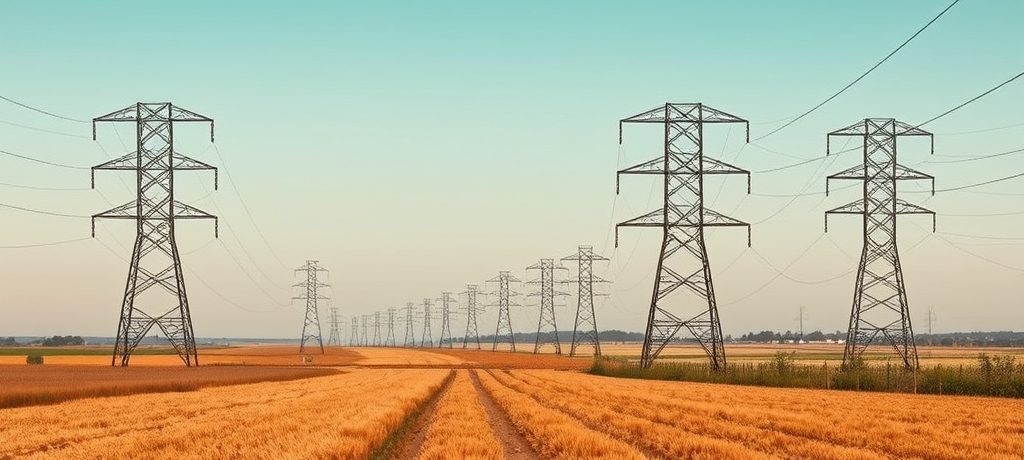
A central and distinctive component of the Liberal Democrats’ funding strategy involves a direct intervention with the energy regulator, Ofgem. The party proposes instructing Ofgem to “claw back” an estimated £5 billion in what they identify as “extra profits” that energy network firms are projected to make by 2028. Daisy Cooper asserted that these private companies, which own the pylons, cables and pipes supplying domestic users, “operate as total monopolies.” She argued that the regulator should compel these firms “to pay back” these profits, which she characterized as windfall gains and “not the product of investments they had made,” suggesting a re-evaluation of the financial returns within this monopolistic sector.
Broader Energy Strategy and Long-Term Impact
The “Essential Energy Guarantee” is part of a wider package of energy reforms proposed by the Liberal Democrats. These additional measures include providing free home insulation and heat pump installations for low-income families. Furthermore, the party advocates for the removal of green levies on household energy bills, proposing instead to fund these initiatives through a targeted windfall tax on banks. Another key objective is to “break the link” between electricity and gas prices, coupled with substantial investment in renewable energy generation.
Collectively, the Liberal Democrats claim that these measures, alongside the new “Energy Guarantee,” could lead to average household bill savings of up to £900 per year by 2035, signaling a significant long-term financial impact for consumers.
Political Context and Competing Proposals
The Liberal Democrats’ announcement comes amidst a challenging energy market landscape, marked by rising wholesale oil and gas prices following geopolitical events, specifically referencing the war in Iran. This has led to an impending increase in the energy price cap, set to take effect from July 1st, which dictates the maximum amount customers on a standard variable tariff can be charged.
The current government has already taken steps to mitigate rising bills, including the removal of green levies from bills in April, a move that transferred the cost to general taxation and resulted in an average saving of £150 per year. While the government is considering further assistance, Chancellor Rachel Reeves indicated in April that any future help would be “targeted at those who need it most,” based on household income, rather than a universal discount.
Other political parties have also put forward their own proposals to address the cost of living crisis related to energy. The Conservatives have called for the removal of VAT from household energy bills for the next three years. Reform UK has similarly pledged to scrap both VAT and green levies on household energy bills if they were to assume power. The Green Party, meanwhile, has urged the government to prevent any price rises in July, suggesting that support for domestic users should be financed by increasing capital gains taxes and tightening existing taxes on energy firms’ profits.
The Liberal Democrats’ “Essential Energy Guarantee” represents a distinct policy intervention, combining universal discounts with targeted support and a robust funding mechanism derived from perceived excess profits in the energy network sector. This approach sets it apart from the more targeted assistance favored by the current government and the broader tax-cutting proposals from other opposition parties, positioning it as a significant proposition for investors and consumers monitoring the evolving energy policy landscape.