FRANKFURT, Germany — The European Central Bank (ECB) on Thursday implemented its first interest rate hike in response to escalating inflation, a move that signals a global tightening of monetary policy as central banks grapple with rising energy costs. The decision comes ahead of similar rate-setting meetings next week for the U.S. Federal Reserve, the Bank of Japan, and the Bank of England.
ECB Raises Benchmark Rate
The ECB’s rate-setting council increased its benchmark interest rate by 0.25 percentage points, bringing it to 2.25% from the previous 2%, where it had remained for a year. This action is a direct response to inflation that has been exacerbated by sharply higher oil prices, a consequence of Iran choking off crude oil flow through the Strait of Hormuz, a critical artery for global energy supplies.
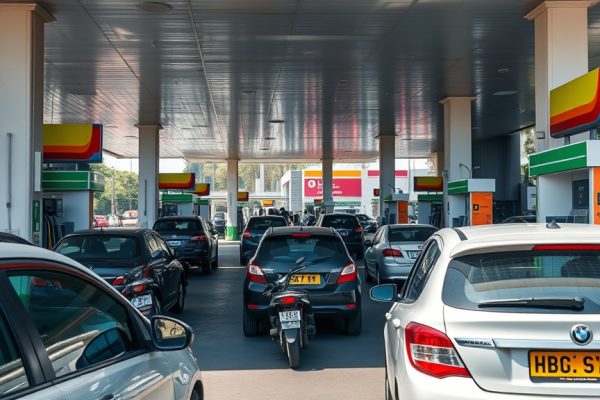
The surge in oil prices has directly impacted consumer prices. International benchmark Brent crude was trading just below $92 per barrel on Thursday, a significant increase from approximately $73 per barrel on the eve of the conflict. This has contributed to inflation reaching 3.2% in May across the 21 countries utilizing the euro currency, surpassing the ECB’s target of 2%.
Balancing Inflation and Growth Concerns
While the ECB’s move is aimed at curbing inflation by making borrowing more expensive and thus dampening demand, policymakers must also consider the fragile state of the European economy, which is exhibiting only mediocre growth. This delicate balancing act has led some analysts to suggest that Thursday’s rate hike might be a singular event, primarily intended to signal the bank’s resolve to financial markets and demonstrate its commitment to not falling behind the inflation curve.
The impact of higher borrowing costs on an economy already showing signs of sluggish growth is a key concern. Raising benchmark rates influences the lending rates across the economy, increasing the cost of capital for businesses and consumers. This can translate into higher interest rates for mortgages, business investments in new factories, and government borrowing.
Global Central Bank Watch
The ECB’s decision follows similar, albeit smaller, rate increases by central banks in Australia and the Philippines since the onset of the Iran war. Attention is now firmly fixed on the policy decisions of larger economies. The U.S. Federal Reserve, under new Chair Kevin Warsh, is expected to keep its key interest rate unchanged at its upcoming meeting.
Warsh, appointed earlier this year by President Donald Trump, had previously advocated for rate cuts. President Trump himself had been critical of his predecessor, Jerome Powell, for not lowering borrowing costs sufficiently. However, with inflation in the United States reaching a three-year high, largely driven by spiking gas prices in the wake of the Iran war, even Trump and his administration appear to be shifting their focus towards maintaining current interest rate levels.
Federal Reserve’s Next Steps
The Federal Reserve is anticipated to modify the language in its post-meeting statement. Analysts expect the removal of any forward-looking statements suggesting a future rate cut. This adjustment would effectively open the door for potential rate hikes later in the year. Many Fed officials have cautioned that if inflation does not show signs of cooling soon, a rate increase may become necessary by year-end.
The mechanism by which central bank rate hikes combat inflation involves increasing the cost of borrowing money. This higher cost discourages spending and investment, thereby reducing overall demand for goods and services. When demand cools, businesses are less likely to raise prices, and inflationary pressures can subside.
Limited Inflation Pass-Through Feared
Despite the ECB’s action, some economists believe that the inflationary surge might prove to be milder than initially feared. Carsten Brzeski, global chief of macro at ING bank, suggests that the ECB may only need one or two further increases. This outlook is based on the premise that consumers, still reeling from the post-pandemic inflation spike, may be unwilling or unable to absorb further price increases. Consequently, businesses might be forced to absorb higher energy and input costs themselves, limiting the extent to which these costs are passed on to final consumers.
“The pass-through of higher energy and input prices to final consumption will be limited due to a lack of ability and willingness of consumers to actually pay for these higher prices,” Brzeski wrote in an emailed comment.
The coming weeks will be critical as markets digest the ECB’s move and await the Federal Reserve’s decision, with global economic stability hanging in the balance as policymakers navigate the complex interplay of inflation, energy prices, and economic growth.