On June 24, 2026, investors seeking non-correlated trading vehicles and hedges against inflation were offered a deep dive into agricultural commodities. Barry Ritholtz, host of ‘At The Money,’ interviewed Sal Gilbertie, founder and CEO of Teucrium Trading, a firm known for creating exchange-traded products that provide direct exposure to agricultural futures. Gilbertie, an old-school commodities trader since 1982, made a compelling case for why agricultural ETFs, covering products like wheat, soybeans, corn, and sugar, deserve consideration in today’s investment portfolios.
The Fundamental Case for Agricultural Commodities
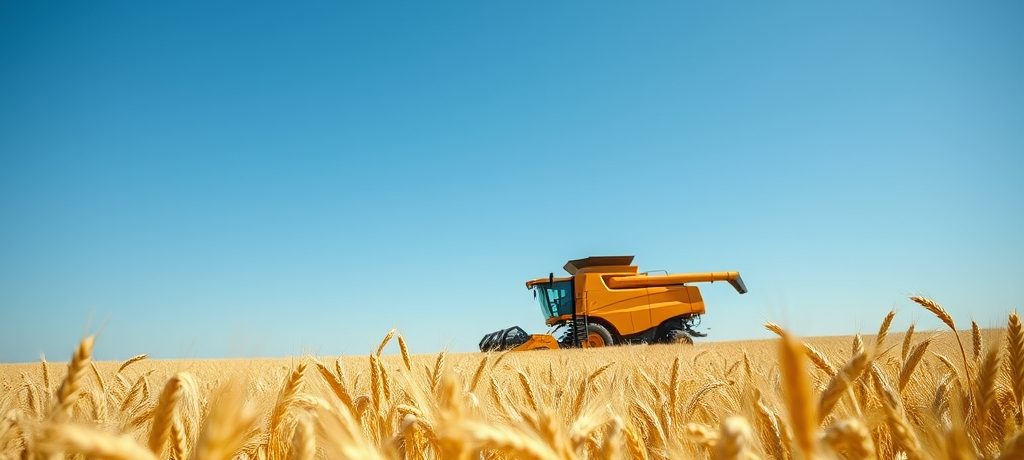
Gilbertie underscored the fundamental difference of agricultural commodities compared to energy, metals, equities, or bonds. “Let’s face it: everyone eats, and their animals eat. And that’s what ag is primarily used for,” he stated, noting that while fuel has entered the mix, agriculture remains a historically stable commodity with limited downside. This stability, he explained, stems from farmers’ tendency to cease planting if they face losses, effectively creating a natural floor.
A key driver of this stability and consistent demand is global population growth and, more significantly, the expansion of the middle class. Gilbertie highlighted that the combined global demand for corn, soybeans, and wheat has risen every single year since 1960, consistently setting new records or near-records. He elaborated, “The moment they rise from that [subsistence living], and there are hundreds of studies on this, they increase the protein in their diet, they increase eating meat. That’s what they do.” This shift directly fuels demand, with the number one use for corn globally being animal feed, followed by ethanol production. Corn’s pervasive use extends to starch in paper, making it “literally impossible for anyone, anywhere on planet Earth, to not be using corn every single day, either directly or indirectly.” Furthermore, governments worldwide subsidize food production, providing an additional layer of support and preventing widespread societal destabilization due to hunger.
Decoding the ‘Golden Grain Cycle’
Gilbertie introduced the concept of the ‘golden grain cycle,’ developed by Jake Hanley, to explain the characteristic price movements of agricultural commodities. This cycle comprises three stages: trading sideways at a base price ‘X,’ exploding to ‘2X’ during supply disruptions, and then retreating back to ‘1X.’ Corn serves as a prime example of this pattern.
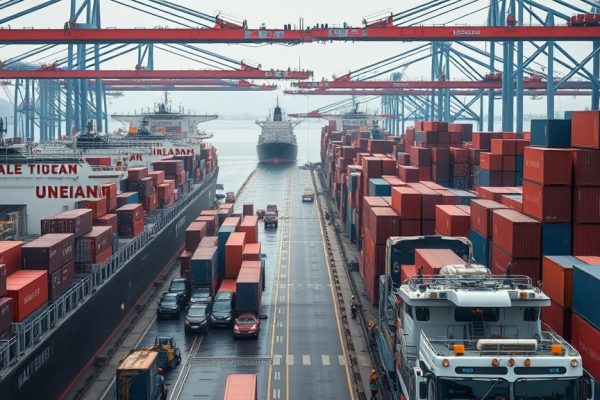
According to Gilbertie, corn has traded primarily between $3.50 and $4 over the last 17 to 19 years, since the Renewable Fuels Act of 2007-2008. He noted that corn has traded below $3.50 for only a few weeks in the last 19 years, and under $4 for just four percent of trading days in the last five years. This range, he suggested, represents the breakeven point for farmers, currently closer to $4. Within this 19-year period, corn has doubled from this base price three times: twice due to drought and once due to the war in Ukraine, which was preceded by drought in the upper Midwest and issues with Chinese wheat production. The conflict between Ukraine and Russia, which together account for almost 40% of the world’s exportable wheat supply, caused significant market upheaval, with the rally in wheat starting in 2020 and subsequently affecting the entire grain complex.
Key Variables Shaping Agricultural Markets
For investors considering agricultural commodities, Gilbertie outlined the primary variables influencing market dynamics. “The main variable is always weather,” he stated, emphasizing its paramount importance in crop production and supply. Following weather, geopolitical upheaval, such as a war, can trigger rapid price escalations, as demonstrated by the impact of the Russia-Ukraine conflict on global wheat markets.
Government policy also plays a significant role. While subsidies often provide a floor for farmers, Ritholtz highlighted other policy impacts, such as rising fertilizer costs due to geopolitical events and specific government policies in regions like the UK that tax farm estates, fertilizer, and equipment. These policies can affect farmers’ operational costs and, consequently, market supply and pricing. The inherent volatility of commodities, combined with these external factors, means that while agricultural products have a floor, they can experience rapid price surges when supply is constrained by natural events or political instability.
The discussion with Sal Gilbertie provides a clear framework for understanding agricultural commodities not merely as volatile assets, but as essential components of the global economy with unique demand characteristics and predictable cyclical patterns. For investors, the ability to access these markets through ETFs, as offered by firms like Teucrium, presents a distinct opportunity for portfolio diversification and a potential hedge against inflationary pressures, grounded in the fundamental and ever-present need for food.