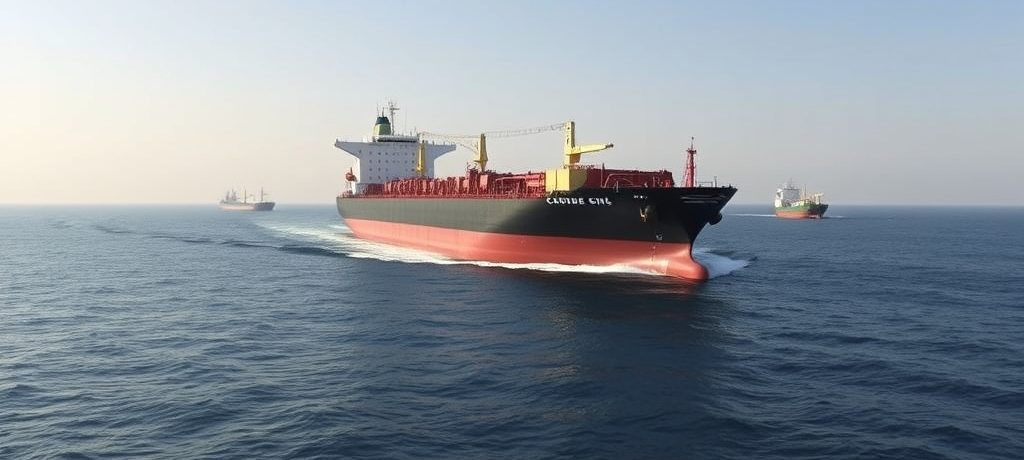
Maritime traffic through the critical Strait of Hormuz has seen a notable increase over the past few days, coinciding with a continued slide in oil prices on Thursday. While the pickup in activity might suggest a return to normalcy, significant uncertainty lingers for the global shipping industry.
The primary source of this apprehension stems from ongoing disagreements regarding a potential toll for passage through the Strait. This contentious issue is identified as a potential stumbling block in delicate US-Iran talks, adding a layer of geopolitical risk to commercial operations in the vital waterway.
The Strait of Hormuz is a crucial chokepoint for global energy markets, and any disruption or increased cost associated with transit can have far-reaching implications. The current situation presents a complex dynamic: increased traffic indicating demand or operational adjustments, juxtaposed with the unresolved political friction that could impact future shipping costs and stability.
As oil prices react to various market forces, the operational landscape in the Strait of Hormuz remains a key indicator for both energy and shipping sectors. The outcome of discussions surrounding the proposed toll will be closely watched, as it could redefine economic parameters for a substantial portion of global maritime trade.