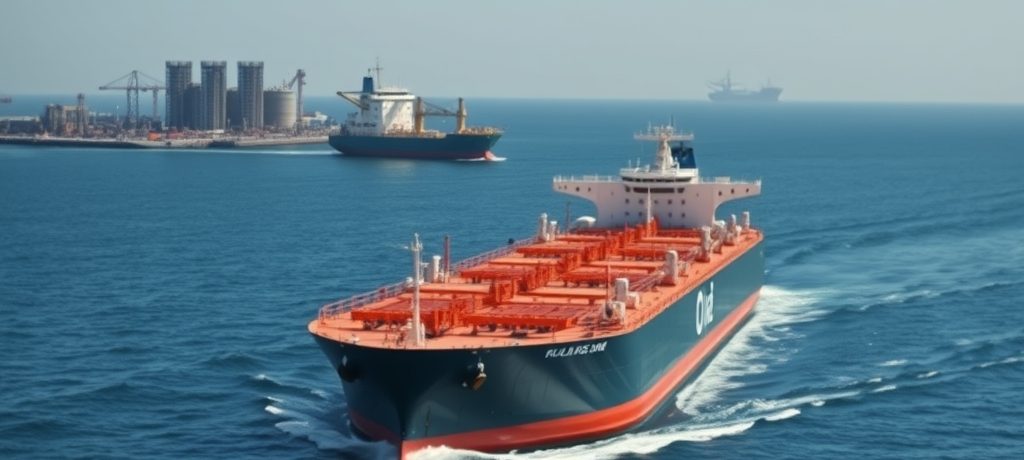
A dramatic reversal has gripped global oil markets, with prices tumbling everywhere as a peace deal between the US and Iran unleashes a torrent of supply. This sudden influx is overwhelming demand from buyers, prompting widespread concern over a burgeoning glut of crude. Brent crude futures, the world’s main physical oil benchmark, have already erased all their wartime gains and are now trading near $70 a barrel, a staggering turnaround from just months prior.
From Scarcity Warnings to Glut Fears
The current market sentiment stands in stark contrast to the recent past. Less than three months ago, the world’s main physical oil benchmark hit an all-time high, and only a few weeks ago, senior industry executives were issuing stark warnings that global inventories were reaching critically low levels. The dramatic drawdown of global inventories during the conflict fueled these concerns, with fears of an oil-led inflation spike from the biggest supply disruption on record dominating economic outlooks.
Today, those worries are all but vanquished. The physical oil market is now flashing signs of weakness more extreme than at any time since the demand collapse triggered by Covid. This rapid shift from perceived famine to an actual feast of crude supply has fundamentally altered the short-term trajectory of energy markets and the global economy.
A Flood of New Supply
The primary catalyst for this reversal is the memorandum of understanding signed between the US and Iran in mid-June, which paved the way for the reopening of the Strait of Hormuz. Even before this agreement, suppliers within the Persian Gulf had begun ramping up shipments. However, in the weeks since, a flood of more than 60 million trapped barrels, frozen in place when the war began, has entered the market.
Key producers are contributing significantly to this surge. Both Saudi Arabia and the United Arab Emirates are now exporting at or close to the levels they were shipping prior to the Iran war. This recovery has been facilitated by US military protection for vessels sailing through the Strait of Hormuz, alongside the continued use of pipelines designed to bypass the waterway. Crucially, Iranian oil, which for years was subject to heavy American sanctions, is now free for purchase again after the US issued sanctions waivers, adding a substantial volume of previously restricted crude to the global supply.
Wartime Workarounds Persist
Adding to the supply pressure, many of the oil market’s wartime workarounds remain in effect, exacerbating the current oversupply. China, which played a role in stabilizing the global market by drastically reducing its purchases during the conflict, has largely remained on the sidelines, not yet returning to its previous demand levels. Furthermore, millions of barrels continue to flow weekly from emergency underground storage caverns on the US Gulf Coast.
This ongoing release is part of a record 400 million-barrel strategic reserve drawdown, originally designed to alleviate an oil crisis that, in the current market environment, no longer exists. The combination of renewed Middle Eastern production, the return of Iranian crude, and the persistence of these emergency supply measures creates a powerful bearish force in the market.
Implications for Producers and the Global Economy
For major oil producers within the Organization of the Petroleum Exporting Countries (OPEC), the implications are profound. Questions about how quickly they can restore production, a dominant concern during the period of scarcity, may soon be replaced by more challenging questions about whether they are ready to curb supply to prop up prices. Alternatively, they may find themselves embroiled in a fight for market share in an increasingly saturated environment.
The dramatic switch from supply concerns to glut fears has also prompted warnings from leading financial institutions. Analysts from Morgan Stanley to Goldman Sachs Group Inc. have cautioned this week that the market is at significant risk of a glut heading into next year. Kitt Haines, head of oil at Energy Aspects, a prominent consultant, encapsulated the prevailing sentiment, stating, “Right now the overwhelming feeling is bearish.” The rapid and unexpected shift in the global oil landscape underscores the volatility inherent in geopolitical events and their immediate, far-reaching impact on commodity markets.