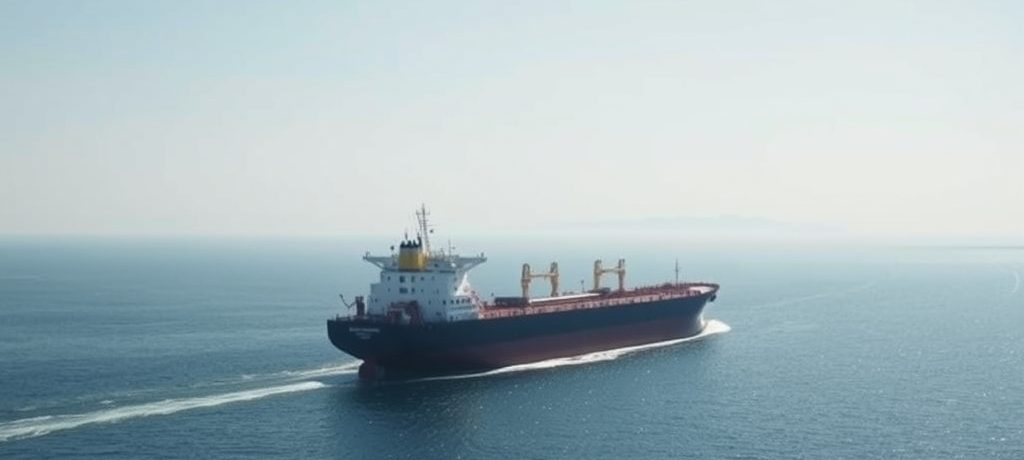
A potential recovery in Middle Eastern oil supplies faces a significant setback if escalating tensions continue to disrupt shipping through the critical Strait of Hormuz, Goldman Sachs Group Inc. has warned. The investment bank’s analysis underscores the fragility of global energy markets amid renewed geopolitical friction.
According to Goldman’s estimates, Persian Gulf crude production in June remained approximately 10.5 million barrels a day below pre-war levels. While Middle Eastern producers had initiated efforts to reopen shut-in wells over the past month, any sustained disruption in Hormuz could severely impede this production recovery, analysts including Yulia Zhetkova Grigsby stated in a July 8 note.
Geopolitical Tensions Resurface
The global energy market experienced a fresh jolt this week following a resurgence in conflict between Washington and Tehran. This escalation briefly pushed Brent crude futures back above $80 a barrel, highlighting the market’s sensitivity to geopolitical instability in the region. The immediate impact on maritime traffic was stark, with ship movements through the Strait of Hormuz reportedly almost halting after the United States and Iran exchanged attacks for a second consecutive day, challenging a recently established fragile peace deal.
The current flare-up follows a series of earlier strikes on shipping in the vital waterway. President Donald Trump, on Wednesday, declared the interim peace deal between Washington and Tehran to be over. Concurrently, the U.S. government revoked a waiver that had previously allowed Iranian oil sales. Despite these assertive actions, President Trump indicated that negotiations with Iran might still continue, injecting a degree of uncertainty into the diplomatic landscape.
Immediate Impact on Shipping Flows
The recent attacks on tankers have significantly heightened the perceived risks for vessels traversing the Strait of Hormuz. Goldman Sachs analysts noted, “The recent attacks on tankers highlight still elevated risks of crossing, and shippers may hesitate to cross under the currently unclear ceasefire status, weighing on near-term Hormuz flows.” This hesitation directly translates into reduced shipping activity and, consequently, lower oil flows.
Goldman’s data indicates a tangible impact on crude flows through the Persian Gulf. Following the recent attacks, oil flows have retreated closer to 70% of normal levels. This represents a decline from earlier in the month when flows had recovered to more than 80% of pre-war levels within the first 10 days after the initial reopening of Hormuz, demonstrating the immediate and volatile nature of the disruptions.
Two-Sided Risks and Future Outlook
The investment bank identifies the risks for Persian Gulf flows and prices as distinctly two-sided. A potential recovery in shipments is projected by the end of July, contingent on several critical factors: the continuation of 60-day negotiations between the parties, the provision of robust security reassurances for shippers, and the reinstatement of a fresh waiver for Tehran’s crude sales. Should these conditions materialize, market stability could gradually return.
Conversely, the situation could deteriorate significantly. If negotiations fail to yield a resolution and attacks on tankers escalate, Goldman warns that oil flows could drop even further. Such a scenario would not only exacerbate supply concerns but also likely trigger further upward pressure on global oil prices, impacting economic stability worldwide.
This latest assessment from Goldman Sachs contrasts with its position just last month, when the bank was among several institutions that had reduced their forecasts for oil prices. That earlier adjustment was made on the premise that flows through Hormuz were picking up, alleviating immediate supply fears. At that time, Goldman analysts had also cautioned about the potential for a crude glut to reappear, underscoring the rapid shift in market dynamics driven by geopolitical events.
The Strait of Hormuz remains an indispensable chokepoint for global oil transit, and any sustained disruption there carries profound implications for energy security and pricing. The ongoing diplomatic dance and the tangible security risks in the waterway will continue to be closely monitored by market participants, as the balance between supply recovery and geopolitical instability hangs precariously.