Brent crude oil prices retreated toward $88 a barrel, with West Texas Intermediate (WTI) dipping near $83, marking a downturn after global benchmarks had surged by almost 6% over the previous two trading sessions. The market’s latest move reflects a delicate balance as traders weigh persistent hostilities between the United States and Iran against concurrent efforts to broker a new ceasefire in the volatile Middle East region.
Geopolitical Tensions Weigh on Markets
The recent price dip comes amidst a backdrop of escalating military actions. The United States has reportedly conducted a tenth consecutive day of strikes, following President Donald Trump’s vow that Tehran “will pay” for the killing of American soldiers. In response, Iran has launched missile and drone attacks, including targeting Kuwait, further intensifying regional instability.
This cycle of aggression and retaliation has repeatedly caused oil prices to swing, highlighting the market’s acute sensitivity to geopolitical developments. The prospect of further escalation continues to inject significant uncertainty into the global energy outlook, keeping traders on high alert for any shifts in military or diplomatic postures.
Diplomatic Overtures and Ceasefire Hopes
Despite the heightened military activity, diplomatic channels remain active, offering a counterweight to the prevailing tensions. Iran has indicated that mediators are engaged, presenting proposals aimed at easing hostilities after more than a week of worsening clashes. Reuters reported a specific suggestion for a 10-day halt of strikes, signaling a concerted push towards de-escalation.
These diplomatic efforts introduce a layer of complexity to market sentiment. While military actions fuel fears of supply disruptions, any credible movement towards a ceasefire can temper these concerns, leading to price corrections as seen in the recent dip. The market remains highly reactive to news from both fronts, reflecting the inherent unpredictability of the conflict’s trajectory.
Red Sea Risks and Shipping Lane Vulnerabilities
Adding another dimension of risk to the already fraught situation is the threat posed by Yemen’s Houthi militants. The group has warned of a potential blockade of Saudi Arabia’s maritime traffic in the Red Sea. Such a blockade would be highly disruptive, as the Red Sea route is crucial for the kingdom to export millions of barrels of crude via a cross-country pipeline that bypasses the Strait of Hormuz.
Rob Thummel, senior portfolio manager for Tortoise Capital LLC, underscored the potential impact, stating, “If there’s a disruption in the infrastructure, particularly the shipping lanes, then that could cause a spike in oil prices.” He further cautioned, “Inventories have drawn down a bit, so there’s just not a lot of margin for error.” This assessment highlights the vulnerability of global oil supplies to disruptions in key maritime choke points.
According to Jorge Leon, senior vice president and head of geopolitical analysis at Rystad Energy AS, in a recent note, roughly 2.5 million barrels a day are at risk from Houthi attacks on Saudi Arabia’s exports from Yanbu, its key Red Sea export hub. The Saudi Foreign Ministry has affirmed its commitment to protecting its vessels, stating it “would take all necessary measures to protect its ships in accordance with international law.”
Strait of Hormuz Incidents and Shipping Disruptions
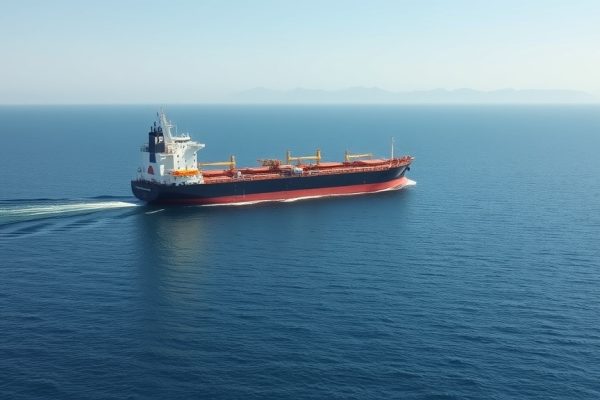
The Strait of Hormuz, another critical maritime passage, has also seen a significant flare-up in violence. Visible traffic through Hormuz came to a near standstill on Monday following Iranian attacks on vessels over the weekend. Dynacom Tankers Management Ltd., the ships’ manager, confirmed that an oil supertanker named the Acheloos and a smaller fuel tanker were both struck in the waterway.
Early Tuesday, the UK Maritime Trade Operations (UKMTO) reported that a tanker had been struck by an unknown projectile in the strait northeast of Oman’s Limah, citing multiple reports. It remains unclear if this incident is separate from the attacks on the Dynacom tankers, further compounding concerns over shipping safety.
The heightened risks in the waterway have prompted some shipowners to offer substantial incentives to crews. Sinokor Group, identified as the world’s largest owner of supertankers, has reportedly offered six months of extra salary to seafarers willing to make a return voyage through Hormuz, underscoring the extreme hazards and the critical importance of maintaining these shipping routes.
The current oil market landscape is characterized by extreme volatility, with prices oscillating rapidly in response to the complex interplay of military confrontations and diplomatic overtures across the Middle East. With global oil inventories reportedly drawn down, the margin for error in managing potential supply disruptions is minimal, leaving the market highly susceptible to further geopolitical shocks.