Austin, Texas — Tesla, the electric vehicle manufacturer led by Elon Musk, announced a decrease in its second-quarter profits, a development that occurred despite a notable rise in vehicle sales and overall revenue. The company’s financial results, released Wednesday, indicated that intensified investment in research and development (R&D) significantly impacted its bottom line, cutting into the profitability derived from increased car sales.
For the second quarter, Tesla reported net income of $1.11 billion, translating to 32 cents per share. This figure represents a decline from the $1.17 billion, or 33 cents per share, recorded in the same period last year. Excluding certain charges, earnings stood at 33 cents per share, down from 40 cents per share in the prior-year quarter. This performance fell short of the 53 cents per share anticipated by Wall Street analysts, according to data from FactSet.
Despite the profit contraction, Tesla’s revenue saw a robust increase, climbing 26% to $28.24 billion. This figure surpassed analysts’ forecasts of $26.42 billion, underscoring strong demand for the company’s products.
R&D Investment Intensifies
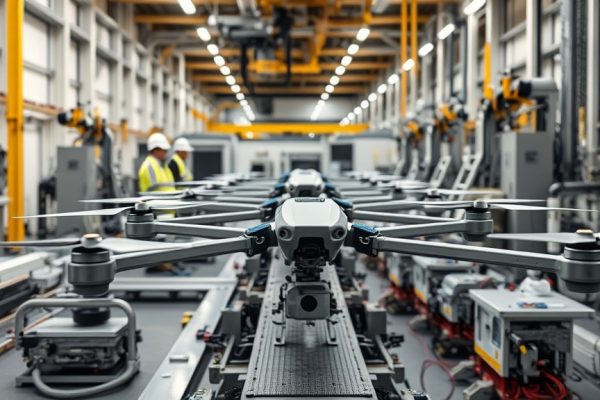
A primary driver behind the reduced profitability was a substantial increase in research and development spending. The company allocated $2.37 billion to R&D during the quarter, marking a significant 49% surge from a year earlier. This level of investment is noted as being higher than in any of the preceding four quarters, signaling a strategic focus on future innovation and product development.
Following the release of these results, Tesla shares experienced a dip, falling 2.7% to $363.98 in after-hours trading. The stock had already ended the regular trading session 1.3% lower and is currently down just under 17% for the year.
Strong Vehicle Deliveries and Market Dynamics
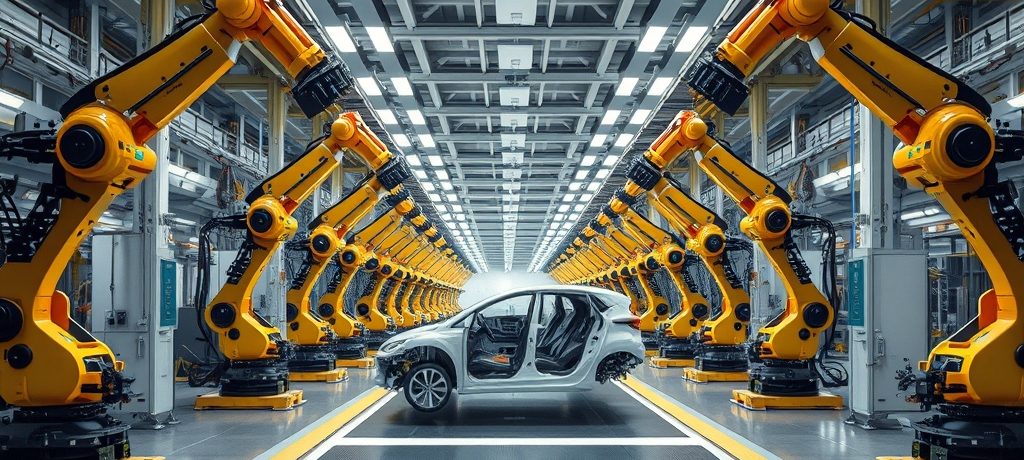
Earlier this month, Tesla had reported strong vehicle delivery figures for the second quarter, delivering 480,216 cars. This represented a 25% increase from the same period last year and marked the company’s second consecutive quarterly gain in deliveries. These sales figures also exceeded analysts’ expectations, as per a FactSet survey.
The improving sales performance this year signifies a turnaround from a year ago, when the company faced challenges, including a period where many European consumers reportedly refused to purchase its cars due to Elon Musk’s public embrace of far-right political candidates in elections there. The vast majority of Tesla’s vehicle deliveries last quarter were comprised of its popular Model Y crossover SUV and Model 3 sedan.
To stimulate sales, Tesla had rolled out less expensive versions of both the Model Y and Model 3 last year. Additionally, the company cut the cost of leasing and loans in Europe. Sales were further bolstered by a general surge in electric vehicle (EV) purchasing across Europe, a trend attributed to rising gas and diesel prices stemming from the Iran war.
Just a few months prior, Tesla had reported a decline in sales for 2025, marking the second consecutive year of such a downturn. During that period, the company also yielded its position as the world’s largest EV maker to China’s BYD.
Diversified Revenue Streams
While EV sales constituted the majority of Tesla’s overall revenue, the company also received a boost from its energy generation and battery storage business. This segment posted revenue of $3.14 billion, reflecting a 13% gain compared to the second quarter last year. Furthermore, Tesla benefited from increased subscriptions for its driver assistance feature, known as Full Self-Driving (Supervised), which is available in the U.S.
The latest earnings report highlights a strategic juncture for Tesla, where aggressive investment in future technologies, particularly R&D, is directly impacting immediate profitability. While vehicle sales continue to grow and revenue exceeds expectations, the company’s commitment to innovation comes at a clear cost to its short-term earnings per share, a trade-off that will likely remain under close scrutiny by investors and analysts.