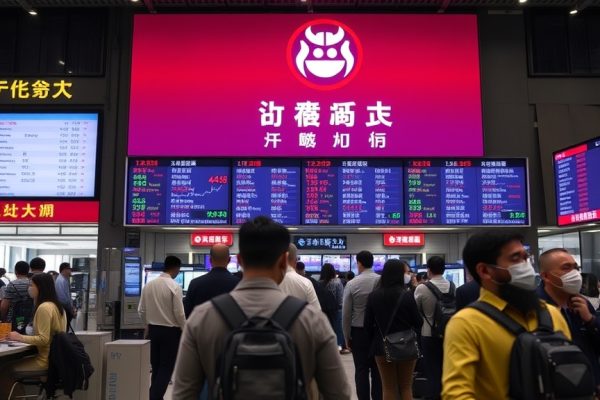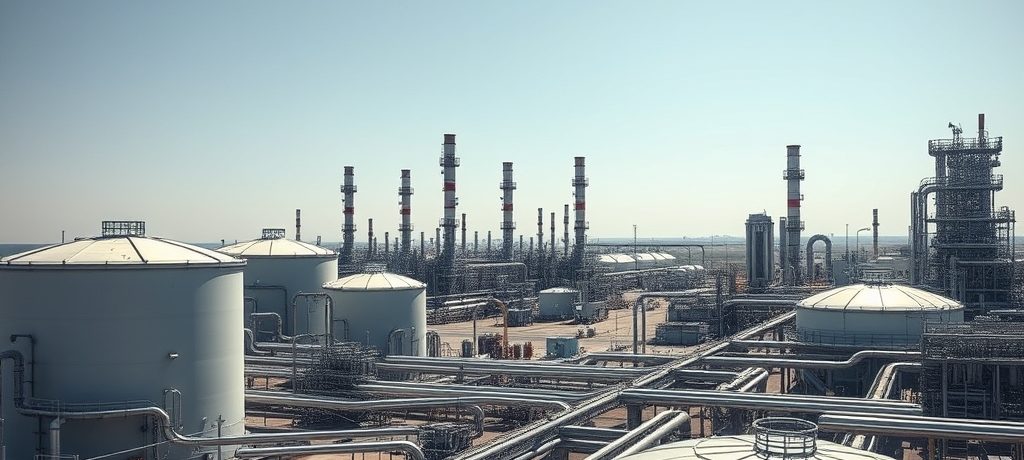
Global oil prices have once again breached the critical $100 a barrel mark, a threshold surpassed last week that is prompting close scrutiny from financial markets. This latest ascent is drawing particular attention from analysts, who suggest that distinct geopolitical pressures make this climb potentially different from previous price spikes, signaling a unique challenge for energy markets.
Iran War Disrupts Supply Dynamics
A primary driver behind the current price surge is the ongoing Iran war, which is actively disrupting global oil supplies. This assessment comes from Bob McNally, founder of the prominent research firm Rapidan Energy Group. McNally highlighted these significant disruptions during an interview with NPR’s Ayesha Rascoe, broadcast on July 26, 2026.
Market Implications and Differentiated Factors
McNally’s expert commentary underscores that the conflict’s direct impact on supply chains is a key factor differentiating this price rally. Unlike demand-side fluctuations or other transient market forces, the specific geopolitical interference with oil supplies due to the Iran war creates a more fundamental and potentially enduring challenge to global energy stability. This direct supply-side constraint suggests that the upward pressure on prices may be more persistent than in past cycles.
The implications of sustained oil prices above $100 a barrel, fueled by such significant and specific supply-side disruptions from the Iran war, could extend beyond immediate energy costs. This scenario potentially influences broader economic indicators, including inflation rates and industrial production, across various sectors globally for an extended period.