Oil prices experienced a sharp decline on Sunday after President Donald Trump announced he would order U.S. forces to hold off on new strikes against Iran. Trump indicated that a deal to end the protracted fighting in the Middle East, which has lasted more than five months, was nearing resolution.
Market Reacts to De-escalation
The prospect of a resolution immediately impacted global oil markets. The price of U.S. crude oil fell 5% to $80.79 per barrel by Sunday night. Similarly, Brent crude, the international standard, also saw a 5% drop, settling at $83.87 per barrel.
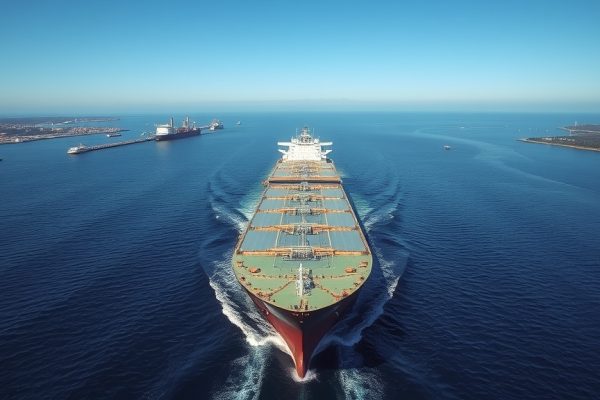
A key factor driving this market reaction is the potential for improved shipping conditions. A resolution to the conflict could restore the ability of oil shippers to send vessels out of the Persian Gulf, a critical waterway where tankers carrying oil and other products have been trapped during the hostilities.
Conflict’s Impact on Energy Costs
The recent decline marks a significant shift after a period of extreme volatility. Oil prices have been swinging widely since the U.S. and Israel launched attacks on Iran in late February. Throughout the spring, prices frequently pushed past $100 per barrel, reflecting the heightened geopolitical risks and supply concerns, particularly regarding the critical Strait of Hormuz, a narrow waterway bordering Iran.
The sustained high oil prices had significant ripple effects across the global economy. Elevated costs for crude oil seeped into the price of gasoline, jet fuel, and numerous other products reliant on diesel for delivery. Motorists faced higher prices at the pump, while air travelers contended with increased airfare due to soaring jet fuel expenses. In some countries, fuel supplies ran low, leading to rationing and sporadic closures of schools and government offices.
Profits Amidst Volatility
While consumers bore the brunt of rising costs, oil and gas companies amassed substantial profits during the spring. This was largely attributed to the high prices for oil, gasoline, and diesel that resulted from petroleum shippers’ inability to navigate the Strait of Hormuz due to the ongoing fighting. Despite Sunday’s decline, U.S. crude oil prices on Sunday night remained approximately 20% higher than their levels before the conflict began.
President Trump’s statement that an Iran deal is ‘imminent’ and negotiations are set to resume Monday suggests that market participants will be closely watching for further developments that could influence global energy prices.