Vietnam posted its eighth straight monthly trade deficit in July, with the imbalance reaching $3.59 billion as a substantial surge in imports overshadowed a robust performance in exports. The deficit underscores the nation’s ongoing drive to ramp up factory capacity, even as its export-reliant economy navigates renewed pressure from US tariffs and global economic headwinds.
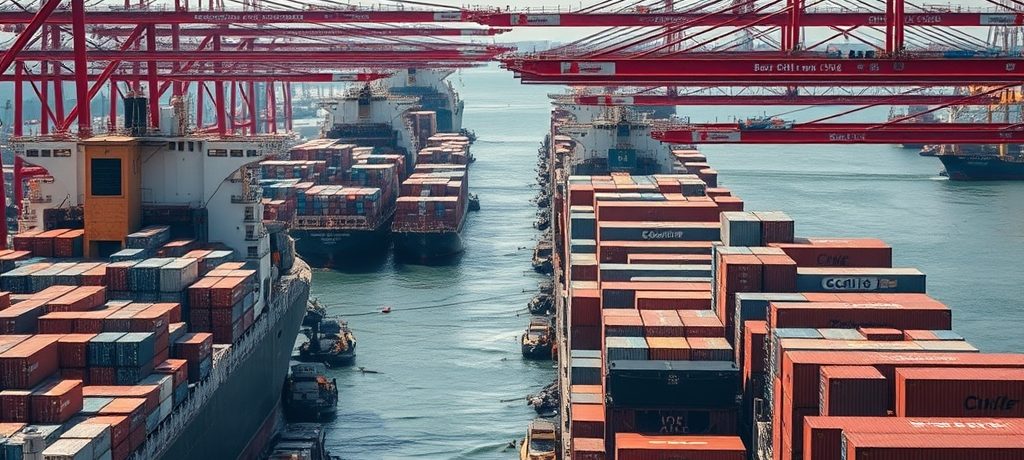
According to the statistics office, Vietnam’s exports demonstrated considerable strength, jumping 25% to $53.1 billion in July from a year earlier. This figure was largely in line with economist expectations, which had projected a 25.5% growth. However, the import side saw an even more dramatic increase, rising 41.4%, significantly exceeding the 36.7% estimate. This disproportionate growth in inbound shipments was the primary driver behind the $3.59 billion trade deficit for the month.
Economic Momentum Amidst External Pressures
Despite the accumulating trade deficits and a complex global environment, Vietnam’s export-led economy appears to be maintaining momentum. This resilience is observed even with renewed US trade pressure and the broader impact of the war in the Middle East, which has contributed to spiked energy and fertilizer costs globally. Authorities in Vietnam are actively pursuing an ambitious economic growth target, aiming to accelerate overall growth to 10% a year, up from 8% in 2025, primarily through expanding exports and boosting investment.
Further evidence of economic vitality comes from the manufacturing sector. The S&P Global manufacturing purchasing managers’ index, released earlier in July, indicated that Vietnam’s factory activity expanded further during the month. The nation experienced a sharp increase across several key metrics, including output, new orders, exports, and purchasing. Additionally, a retreat in global oil prices provided some relief, bringing down costs for firms and supporting manufacturing profitability.
Inflationary Landscape
On the inflation front, Vietnam’s consumer prices climbed 4.45% in July from a year earlier. This rate is notably close to the government’s target of around 4.5% for the year, suggesting a degree of price stability despite global pressures. However, the broader inflationary outlook remains a point of attention. While July’s inflation was slower than the 4.6% estimate, a surge in global energy prices, particularly those driven by the Iran war, continues to feed into transport, services, and material costs. The central bank has issued a forecast that inflation may accelerate to as much as 5.5% later this year, indicating potential challenges ahead for price management.
US Trade Scrutiny and Supply Chain Concerns
A significant external challenge facing Vietnam is renewed US trade scrutiny. The country was among 60 economies hit with new US tariffs last month, stemming from allegations that these nations had failed to do enough to prevent forced labor in their supply chains. This development has led to concrete actions, with US customs officials reportedly carrying out spot inspections on China-linked factories operating within Vietnam. These inspections are focused on verifying material sources and assessing value-added content, reflecting a broader concern over the origin of goods.
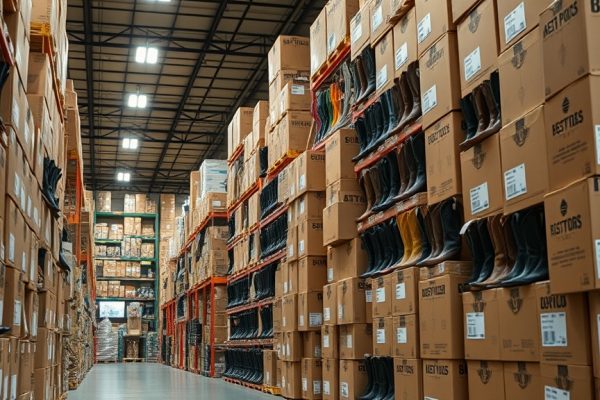
The US continues to press Vietnam on several trade-related issues as part of a potential final tariff deal. Key demands include calls for Vietnam to cut non-tariff barriers, strengthen transshipment enforcement—a critical concern given suspicions of Chinese goods being rerouted through Vietnam—and improve intellectual property protections. The majority of Vietnam’s inbound shipments, which are contributing to the trade deficit, consist of raw materials, equipment, and spare parts for production, highlighting the country’s role as a manufacturing hub.
Key Trade Partners: US and China Dynamics
Analyzing Vietnam’s trade relationships reveals a complex interplay with its two largest partners. In the first seven months of 2026, the United States maintained its position as the biggest export market for Vietnam. During this period, Vietnam’s trade surplus with the world’s largest economy rose 22.6% to $91.4 billion, according to the statistics office, underscoring the vital role of US demand for Vietnamese goods.
Conversely, China remained Vietnam’s biggest source of imports. In the first seven months of 2026, Vietnam recorded a substantial $93 billion trade deficit with China, with an estimated $138.6 billion of goods shipped from China, marking a 39.7% increase. This significant import volume from China further fuels US concerns regarding potential transshipment, with US officials scrutinizing Vietnam’s exports amid suspicions that Chinese goods are being re-routed through the Southeast Asian country to circumvent tariffs.
Vietnam’s economic trajectory in the coming months will hinge on its ability to balance its ambitious growth targets and manufacturing expansion with the complexities of global trade dynamics. Managing the persistent trade deficit, navigating US tariff pressures, and addressing concerns over supply chain integrity will be crucial for sustaining its export-led growth model while maintaining domestic price stability.