The ubiquitous morning coffee, once a simple indulgence, has become a potent symbol of the intricate forces reshaping the global economy. As prices for a standard latte in central London approach the £5 mark, up from a £4 threshold that was once considered high, the daily ritual now encapsulates everything from climate volatility and geopolitical trade disputes to evolving consumer tastes and sophisticated market speculation by farmers.
The Escalating Cost of a Daily Brew
At west London’s Kew Bridge, the Dear Coco vintage Italian coffee cart exemplifies the premium end of the market, offering an iced latte for £4.50 and a 10 oz latte for £4.10. While these prices reflect high-grade arabica beans and expensive brewing equipment, even mainstream chains are now routinely exceeding the £4 mark. This trend has not gone unnoticed, with Starbucks CEO Brian Niccol recently facing scrutiny for describing a “$9 [£6.68] experience” at his outlets as a “really affordable premium experience.” Anthony Duckworth, who operates the Dear Coco cart, acknowledges the pressure. “We feel super strongly about keeping the price of a flat white under £4 for as long as possible,” he states, “But it’s becoming increasingly difficult, because every part of the supply chain has become more expensive. We think there’s a really important psychological threshold around that four pound mark.”
Supply Chain Under Strain
The journey of coffee, from bean to cup, reveals a complex web of vulnerabilities. Giuseppe Lavazza, whose family founded the eponymous Italian coffee brand 131 years ago, notes that the industry has faced an “unprecedented time in terms of complexity and troubles” in recent years. The two primary coffee beans, arabica (known for its sweetness, grown in Brazil, Ethiopia, Kenya) and robusta (high caffeine, mass-harvested, dominated by Vietnam), have both experienced significant price volatility.
Climate’s Unpredictable Hand
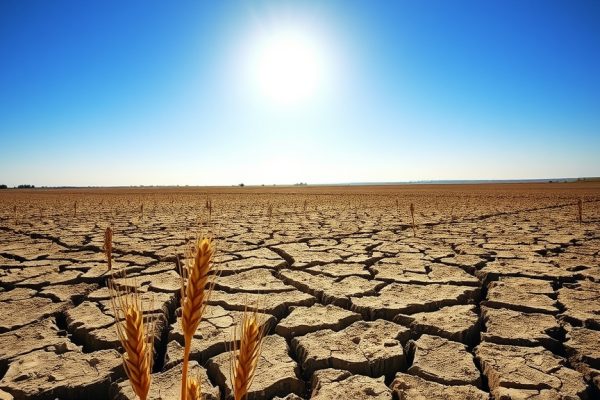
Climatic events have been a major driver of recent price hikes. Two years ago, a convergence of adverse weather pushed bean prices to multi-decade highs. Early 2024 saw Vietnam, the world’s largest robusta producer, suffer its worst drought in decades, with rainfall collapsing by 30%, compounded by a typhoon during the late 2023 harvest. Brazil’s arabica crops are still recovering from a severe frost in 2021. Consequently, arabica prices, historically around $1.20 per pound of green beans, peaked above $4 last year before settling at $3.08. Robusta beans saw an even sharper increase, reaching $2.59 before settling at approximately $1.56. Both now cost significantly more than pre-2020 levels. Lavazza cautions that prices are unlikely to recede soon, stating, “Unfortunately, we have to wait for at least a couple of years, because we need two big crops from Brazil, Vietnam, arriving on the market that could create a different market condition.”
Farmers Playing the Market
Beyond environmental factors, market dynamics are also at play. Thousands of Vietnamese coffee farmers now routinely check online price information, leading many to store their harvested robusta beans rather than selling immediately, hoping for further price increases. This speculative behaviour, noted by the US government’s Foreign Agricultural Service in Hanoi, adds another layer of complexity. All eyes are now on Brazil’s July crop, with some analysts predicting a bumper arabica harvest that could temper prices. However, the forecast of a “super” El Niño this autumn, a warming of the Pacific Ocean, poses a renewed threat of market turmoil.
Trade Wars and Geopolitical Friction
Geopolitical decisions have also directly impacted coffee costs. Former US President Donald Trump’s ‘Liberation Day’ tariffs, announced last year, disproportionately hit coffee-producing nations, with Vietnam facing a 46% tariff, Indonesia 32%, and Brazil 50%. This led to a dramatic fall in Brazilian exports to the US and a surge in prices for beans from lower-tariffed countries like Colombia. American consumers felt the pinch: US roasted coffee prices surged by 17% in the year to March, while instant coffee rose a near-record 25%, outpacing even gasoline. A bag of ground roast coffee that cost $4.30 in 2020 reached $6.32 in 2024 and is now $9.61, heading for $10. The tariffs were eventually reversed for coffee beans in November last year after exposing a flaw in the policy, as coffee production is tied to specific climates, not reshoring.
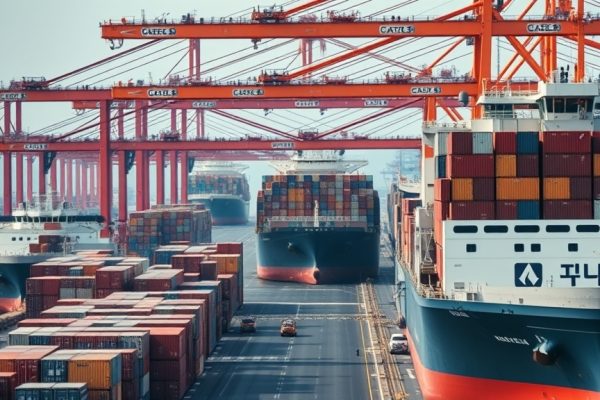
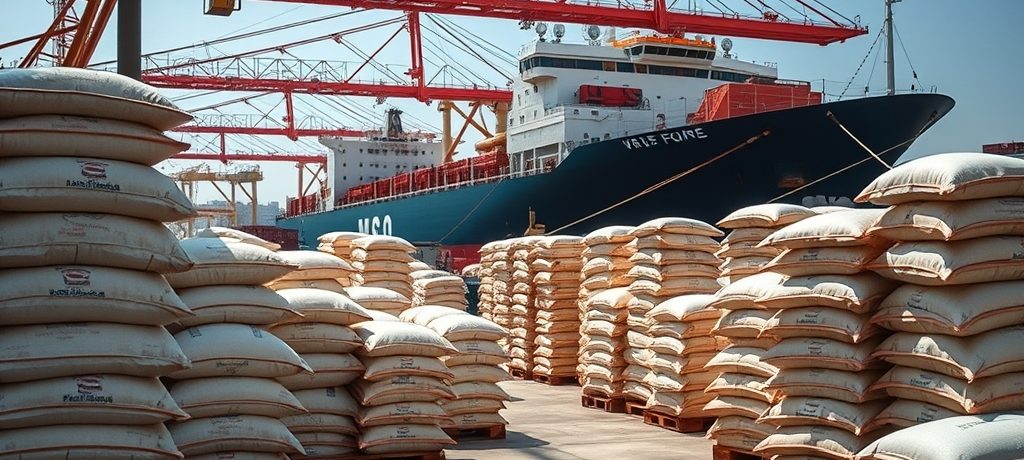
Further disruption stems from global shipping chaos, with vessels transporting Vietnamese beans to Europe now forced to navigate an additional 4,000 miles around the southern tip of Africa to avoid Houthi militant threats in the Red Sea. New EU anti-deforestation rules, set to take effect from 2026, also impose additional costs on farmers, requiring GPS coordinates for plantations to verify sustainable sourcing.
The Premiumisation Paradox
Despite these escalating costs, consumer demand for coffee remains remarkably resilient, described by economists as ‘inelastic’. Lavazza observes, “We saw that despite the high prices, people love having coffee… We don’t see any significant decrease in terms of volumes in the most important countries.” This resilience is partly attributed to ‘premiumisation’, where businesses enhance the perceived value of their products to justify higher prices. The growing popularity of cold brews among younger demographics, and the curated “brand ambassador” experience offered by chains like Blank Street Coffee with their elaborate concoctions, exemplify this trend.
The £5 coffee, therefore, is more than just an expensive beverage; it is a daily reminder of a global economy grappling with climate change, trade protectionism, logistical bottlenecks, and evolving consumer expectations. Its price tag reflects a complex interplay of forces that will continue to shape not only our morning ritual but also broader economic stability.