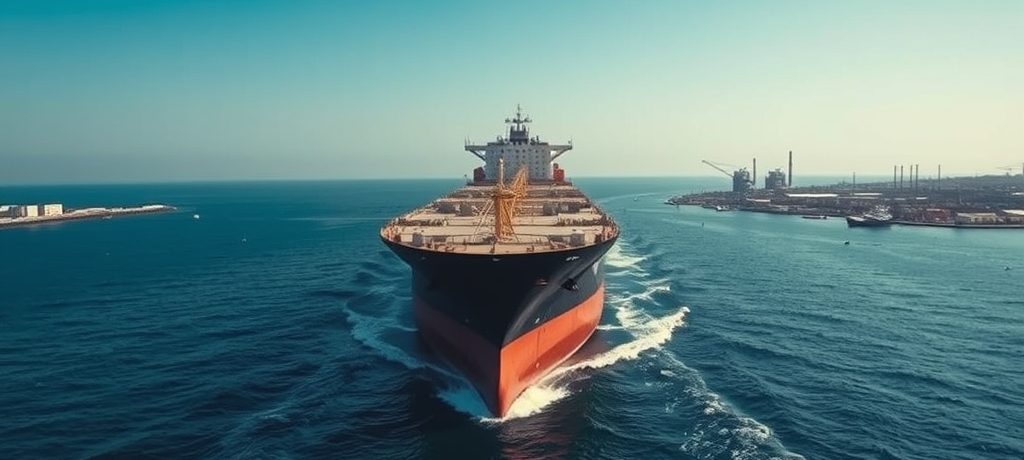
Oil prices maintained a four-day rally on Tuesday, reaching an over one-week high as hopes for a diplomatic resolution between Washington and Tehran to reopen the Strait of Hormuz diminished. The critical waterway, vital for global energy supplies, remains a focal point for escalating supply concerns.
Market Reaction to Geopolitical Tensions
Brent crude futures saw a significant jump, rising more than 2 percent to settle at $89.86 a barrel. This increase was directly attributed to the lingering uncertainty surrounding the reopening timeline for the Strait of Hormuz. Similarly, WTI crude futures advanced by 2.8 percent, trading at $84.41, reflecting the intensified supply concerns across the market.
The rally underscores growing doubts regarding a near-term agreement to ensure unimpeded passage through the Strait. Global energy markets are reacting sharply to the geopolitical complexities, particularly as the region experiences disruptions from the ongoing Iran war, which is impacting global supplies.
Diplomatic Standoff and Conditions
The diplomatic landscape remains complex, with Iran indicating that a pact with Oman to establish a shipping route through the critical waterway was “very close.” However, Tehran simultaneously rejected direct negotiations with Washington until several conditions are met, signaling a protracted negotiation process.
U.S. President Donald Trump commented on the situation, stating that the U.S. is “semi-negotiating” with Iran and aims for Iran to remain under economic pressure. Further complicating efforts to reopen the crucial waterway, Trump revealed that he has instructed American representatives to “firmly include compensation demands from Iran” in any future negotiations. This directive came after Tehran sought financial compensation for damages incurred during U.S.-Israeli military operations in the country, adding a significant hurdle to potential agreements.
Strategic Reserves Deplete Amid Supply Fears
Compounding the supply concerns, recent data revealed a notable depletion in U.S. crude inventories held within the Strategic Petroleum Reserve (SPR). The SPR levels fell below 300 million barrels for the first time since January 1983. This historical low highlights the vulnerability of global energy supplies, especially in the context of ongoing geopolitical instability and disruptions from the Iran war.
The confluence of stalled diplomatic efforts, Iran’s firm stance on negotiation preconditions, and the significant drawdowns from strategic reserves paints a challenging picture for global oil markets. As uncertainty persists over the Strait of Hormuz, prices are likely to remain sensitive to any developments in the complex U.S.-Iran relationship, with market participants closely monitoring future negotiation prospects and regional stability.