FIFA has once again escalated ticket prices for the upcoming World Cup, with the most coveted seats for the final match now commanding an unprecedented $10,990. This latest round of increases, affecting over 40 games in a sales window that commenced on Wednesday, has ignited a fresh wave of criticism, including formal complaints and accusations of “price gouging” from fan groups and lawmakers across continents.
Final Match Tickets Soar Past Previous Records
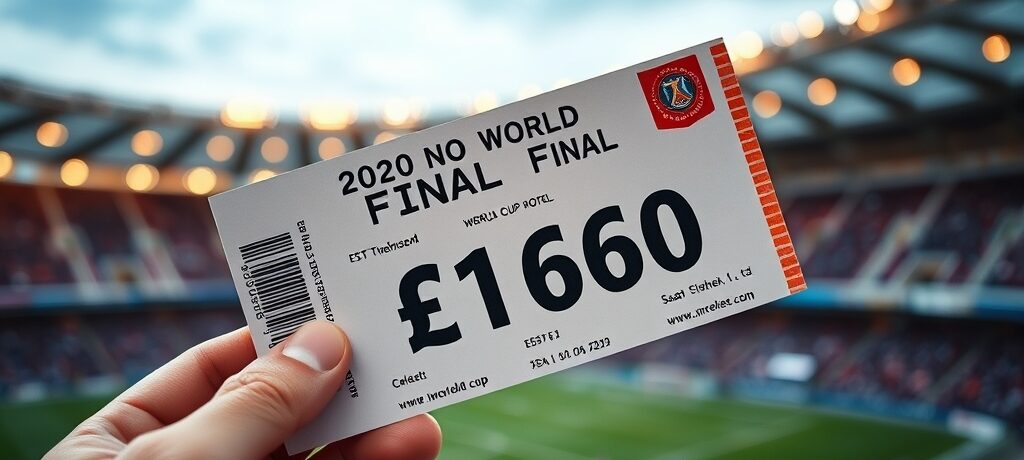
The most significant price hike is observed in the “Category 1” tickets for the tournament’s final, slated for MetLife Stadium in New Jersey this July. These premium seats, covering the majority of the lower two bowls, are now priced at $10,990. This figure represents a substantial increase from previous sales windows; earlier this year, the same tickets were nearly $8,700, and when sales initially launched last year, they were priced at $6,370, according to an NPR examination. This consistent upward trajectory has set new benchmarks for World Cup attendance costs, particularly for the pinnacle event.
The escalating costs have not gone unnoticed. A group representing European fans and consumers formally lodged a complaint with the European Commission this month, labeling FIFA’s prices as “exorbitant” and seeking intervention to compel the soccer body to lower prices. Concurrently, a contingent of Democratic lawmakers in the United States penned a letter to FIFA, directly accusing the organization of “price gouging at the expense of the people who make the World Cup the most-watched sporting event in the world.” Such accusations highlight a growing disconnect between the governing body’s pricing strategy and public perception of affordability for a global sporting spectacle.
Widespread Increases Across Tournament Stages
The price adjustments are not confined to the final. An NPR count indicates that 40 out of 104 games in the upcoming World Cup tournament, co-hosted by the United States, Canada, and Mexico, have seen price increases in this latest sales window. While many initial stage price hikes were less than $100, they still mark a notable escalation from the original prices at which FIFA started selling these tickets, contributing to an overall higher cost of attendance across the event.
Increases were particularly prevalent for matches involving teams known to attract large fan bases, such as Brazil, Argentina, England, and Germany. Co-host Mexico’s games also experienced significant adjustments, reflecting their strong local and international appeal. For instance, Mexico’s opening game against Saudi Arabia is now priced at $2,985, a considerable jump from $2,355 in FIFA’s previous sales window and an even starker rise from its initial price of $1,825. This pattern suggests a strategic pricing model targeting high-demand fixtures.
Knockout stage matches have also been subject to substantial price hikes, with increases becoming more pronounced for games later in the tournament. The two semi-final matches, for example, saw hefty price adjustments. The semi-final scheduled for Dallas in July is now listed at $3,710, a substantial increase from $3,295 in the last sales window. These figures underscore a tiered pricing structure that places a premium on critical, late-stage contests.
FIFA’s Justification Amidst Mounting Criticism
Despite the growing chorus of criticism from fan organizations and political figures, FIFA has previously defended its pricing strategy. The organization cites robust demand for tickets as a primary factor, indicating that the market can bear these higher costs. Furthermore, FIFA notes an adaptation of its pricing model to the North American market, implying that the economic landscape and consumer spending habits in the host nations justify the elevated figures. FIFA has also consistently maintained its status as a non-profit entity, asserting that the vast majority of revenue generated from the World Cup is reinvested into the global development and growth of soccer, a claim that often surfaces in response to financial scrutiny.
However, FIFA has not responded to NPR’s recent queries regarding these latest price increases, leaving its current stance on the specific accusations of “exorbitant” pricing and “price gouging” unaddressed. The current sales window is set to remain open throughout the duration of the tournament, offering continuous opportunities for fans to purchase tickets. While FIFA has not disclosed the precise number of tickets remaining, it has indicated that it will continue to release tickets periodically, including for games that may appear to be sold out, suggesting a dynamic and ongoing sales process.
The ongoing debate surrounding World Cup ticket prices underscores a fundamental tension between FIFA’s objective of maximizing revenue for global soccer development and the imperative of ensuring accessibility for the passionate fan base that fuels the tournament’s immense popularity. As the countdown to the 2026 World Cup continues, the financial implications for prospective attendees remain a central point of contention, shaping the experience for millions and influencing the broader discourse on the commercialization of major sporting events.