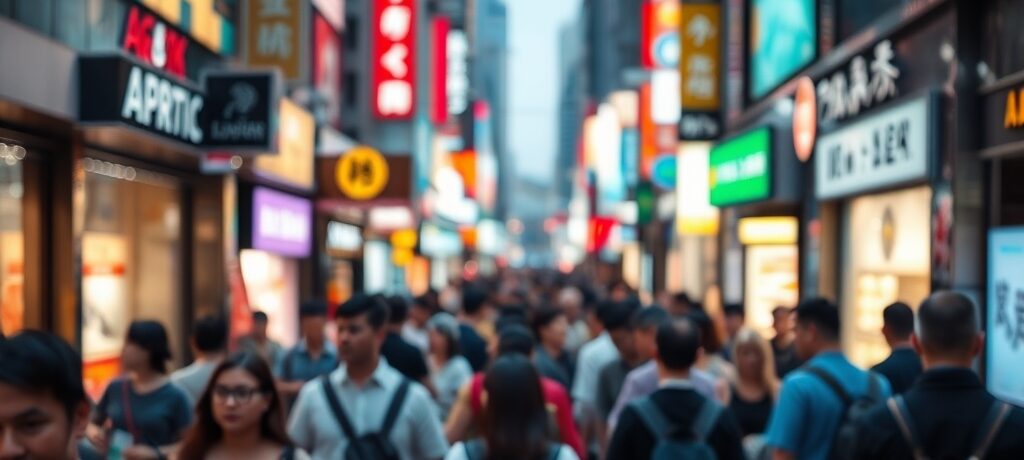
Step into a bustling shopping mall in Singapore, and you’re likely to encounter queues snaking outside establishments with vibrant branding and catchy names. Chinese brands such as Chagee, Molly Tea, and Mixue are drawing significant crowds, not only across Asia but increasingly in major cities worldwide, from Sydney to London and Los Angeles. These beverage chains, alongside fashion labels, toy stores, and sportswear giants, represent a new wave of Chinese enterprises moving beyond their traditional role as low-cost manufacturers to establish globally recognized consumer brands.
From Workshop to World Brands
These companies benefit from the immense scale and operational capacity honed within China’s vast domestic market. However, intensifying competition at home has made international expansion a strategic imperative. This global push occurs at a time when the perception of “Made in China” is still often associated with inexpensive, lower-quality goods. “China has moved beyond a replication economy,” notes Tim Parkinson of consultancy Storytellers China. “Its products now meet the expectations of a new generation of demanding global consumers.”
Leveraging Manufacturing Prowess
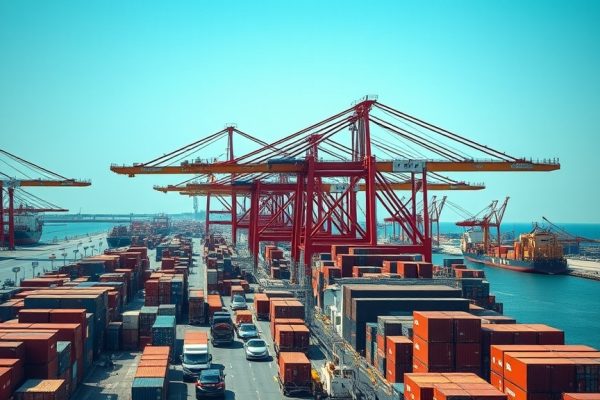
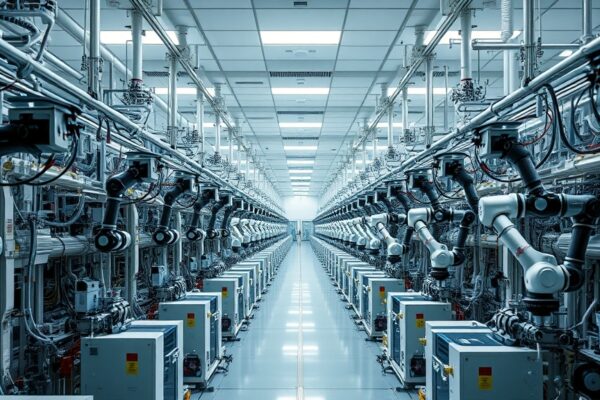
For decades, China served as the world’s manufacturing hub, producing goods for Western companies. This extensive experience allowed Chinese suppliers to develop not only manufacturing expertise but also proficiency in branding, distribution, and large-scale sales. Retailers like Miniso, which offers toys and merchandise from major entertainment franchises such as Disney, Marvel, and Warner Bros, have capitalized on this accumulated know-how. Miniso now operates stores in over half the world’s countries.
Vincent Huang, general manager of overseas markets at Miniso, observes that consumer focus is shifting. “Consumers aren’t particularly concerned about where the brand comes from,” he states. “They’re more focused on the shopping experience – the designs, value for money, and enjoyment.” Miniso’s business model hinges on licensing deals and an efficient supply chain that rapidly moves products from factory to shelf.
Beyond Consumer Goods: The EV Revolution
The trend extends beyond consumer goods. BYD has notably surpassed Tesla to become the world’s largest electric vehicle (EV) manufacturer. The company’s success is attributed to an early strategic bet on EV technology and the significant advantages gained from scaling up within China’s massive domestic market, which fostered cost efficiencies and rapid innovation. BYD is now expanding its ecosystem beyond vehicles, developing ultra-fast charging systems capable of adding hundreds of kilometers of range in mere minutes.
Government support, including subsidies and incentives, has been instrumental in accelerating China’s EV sector. However, this has drawn criticism from Europe and the United States, with officials alleging unfair competitive advantages. Beijing maintains that this growth is a testament to China’s innovation and industrial strength.
Sportswear’s Global Ambitions
Anta exemplifies the ambition in the sportswear sector. The company now operates nearly 13,000 stores globally, positioning itself as the world’s third-largest sportswear brand, trailing only Nike and Adidas. Anta first consolidated its position in China’s extensive domestic market before expanding internationally through strategic acquisitions of established brands like Salomon and Wilson, and more recently, acquiring a 29% stake in Puma.
Southeast Asia as a Launchpad
Many Chinese companies are utilizing Southeast Asia as a crucial testing ground before entering Western markets. With a young, increasingly affluent population exceeding 650 million, the region offers both scale and diversity. The presence of established Western brands also ensures high standards, pushing Chinese firms to innovate.
Haidilao’s Hotpot Empire
The restaurant firm Haidilao opened its first international outlet in Singapore in 2012. It has since grown into the world’s largest hotpot chain, boasting 1,300 restaurants across 14 countries. “Haidilao’s story is not just a restaurant success,” says Zhou Zhaocheng, vice chairman of Haidilao International. “It reflects China’s 30 years of economic transformation and internationalisation.”
The chain’s global expansion is underpinned by a strong brand identity, a robust operational ecosystem, and a loyal customer base. Zhou emphasizes the importance of localization, noting that adapting food, menus, and service to diverse cultures, legal systems, and consumer habits is essential for success in each overseas market. Haidilao is actively pursuing halal certification in Indonesia and Malaysia, a move that could unlock access to Muslim-majority markets in the Middle East.
Rapid Expansion in Beverages and Toys
Other brands are demonstrating remarkable speed in their international growth. Mixue, an ice cream and bubble tea outlet, now operates more stores globally than McDonald’s or Starbucks. Molly Tea achieved international expansion within just a few years of its founding.
Market research firm Euromonitor International indicates that over 70% of Chinese firms operating in Southeast Asia plan further expansion. The region also hosts some of the fastest-growing smartphone markets, with social media playing a significant role in turbocharging product popularity. Pop Mart’s Labubu figurines, for instance, achieved global phenomenon status with minimal traditional advertising. In the US, Pop Mart’s sales have reportedly grown by 900% since 2024. Despite recent stock market volatility, the company’s valuation surpasses that of U.S. toy giants Hasbro and Mattel, combined with Sanrio, the Japanese firm behind Hello Kitty.
Domestic Pressures Fuel Global Ambitions
The outward push, known in China as “chuhai” (going out to sea), is increasingly driven by domestic economic conditions. A sluggish economy, intense competition, and a declining birth rate have altered consumer spending habits and constrained growth, compelling companies to seek opportunities abroad.
This shift is impacting established foreign brands. Starbucks’ market share in China has more than halved since 2019, with local competitor Luckin Coffee now operating nearly four times as many stores in the country. Luckin’s mobile-first strategy has enabled it to maintain low costs and rapid service. In November, Starbucks announced a deal to sell a controlling stake in its Chinese operations to Hong Kong-based Boyu Capital.
Despite a significant accounting scandal in 2020, Luckin has continued its expansion both domestically and internationally, including in Singapore, Malaysia, and New York, and is reportedly planning a return to the U.S. stock market.
Challenges and Shifting Perceptions
Analysts suggest that perceptions of Chinese companies are evolving. The traditional association of “Made in China” with low prices is giving way to recognition of innovation and design leadership. “Brands like BYD combine superior quality with emotional storytelling and local adaptation,” says marketing expert Foo Siew-Ting.
Nevertheless, challenges persist. Tariffs, geopolitical scrutiny, and data security concerns continue to complicate international expansion, as evidenced by cases involving companies like Huawei and TikTok. Questions also linger regarding the long-term sustainability of rapid growth for brands such as Shein and Temu in Western markets.
Despite these hurdles, the trajectory is clear: Chinese companies are increasingly defined by their innovation and ability to capitalize on consumer trends, rather than solely by low prices. They are actively building brands, adapting to local market nuances, and competing directly with, and in some cases surpassing, established global players.