U.S. inflation has surged to its highest level in almost three years, driven primarily by escalating energy costs and rising housing expenses. Consumer prices in April climbed 3.8% from a year ago, marking the largest annual increase since May 2023, according to a report released Tuesday by the Labor Department. This significant jump saw prices rise 0.6% between March and April, putting renewed pressure on household budgets across the nation.
Fueling the Inflationary Surge
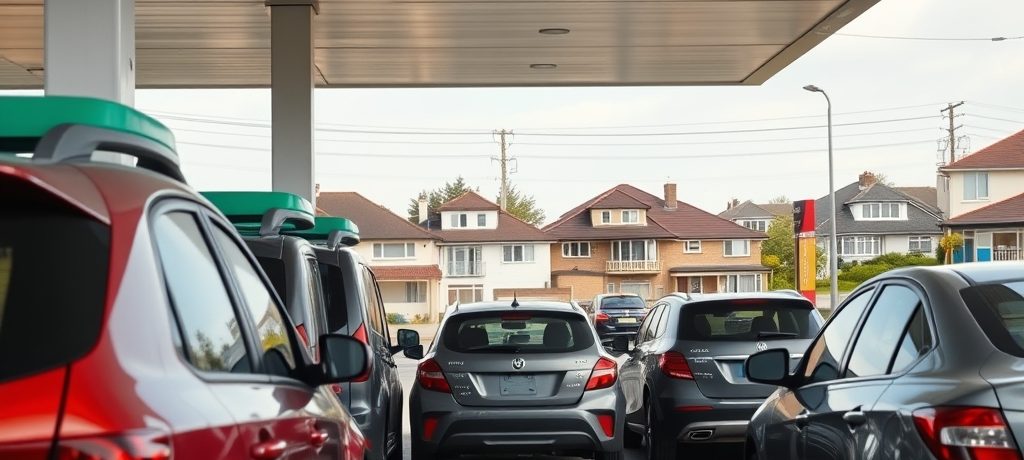
The primary catalyst for April’s inflation spike was a sharp increase in gasoline prices, directly linked to geopolitical tensions. Since the U.S. launched its war with Iran, gasoline prices have jumped approximately $1.50 per gallon. The conflict has notably snarled tanker traffic in the Strait of Hormuz, a critical corridor for global energy shipments. Data from AAA indicates the average price of regular gas now stands at $2.50 a gallon, an increase of 38 cents from just a month prior. This surge in energy prices alone accounted for a substantial 40% of the monthly increase in the consumer price index for April.
Broader Impact: Airfares and Logistics
The ripple effects of soaring fuel costs are already evident across various sectors, particularly in transportation. Air fares, for instance, saw a 2.8% jump last month and are now more than 20% higher than they were a year ago. Airlines are grappling with a significant spike in jet fuel prices, translating directly into increased ticket costs for consumers. Furthermore, the cost of diesel fuel has risen by $1.88 per gallon since the war began. If these elevated diesel prices persist, analysts warn of potential upward pressure on the price of virtually all goods delivered by truck or train, suggesting a broader inflationary impact on supply chains and consumer goods.
Housing’s Contribution and Data Nuances
Beyond energy, housing costs also played a considerable role in the overall inflation picture for April, increasing by 0.6% between March and April. However, a portion of this reported rise is attributed to a statistical adjustment. Government number crunchers were temporarily idled during a six-week government shutdown last fall, specifically in October, which prevented them from collecting housing price data for that month. This interruption had the effect of artificially lowering previous measures of housing inflation. Tuesday’s report, therefore, provides a kind of ‘catch-up,’ reflecting previously uncaptured data and contributing to the higher reported figures.
Excluding these volatile food and energy costs, ‘core’ inflation registered at 2.8% in April, indicating that while energy was a major driver, underlying price pressures remain. The latest figures underscore the persistent challenges facing the economy, with geopolitical events having a direct and measurable impact on the cost of living for American households, particularly through essential expenditures like fuel and housing.