Seven key members of the OPEC+ oil-producing alliance have agreed to increase their combined monthly oil output by a modest 188,000 barrels per day starting in August. This decision marks the fifth consecutive month of production hikes by the group and comes as global crude oil prices have retreated significantly, falling to levels not seen since before the U.S. and Israel’s conflict with Iran. The move is largely in response to renewed market optimism following an interim peace deal between Washington and Tehran.
OPEC+ Boosts Output Amid Price Correction
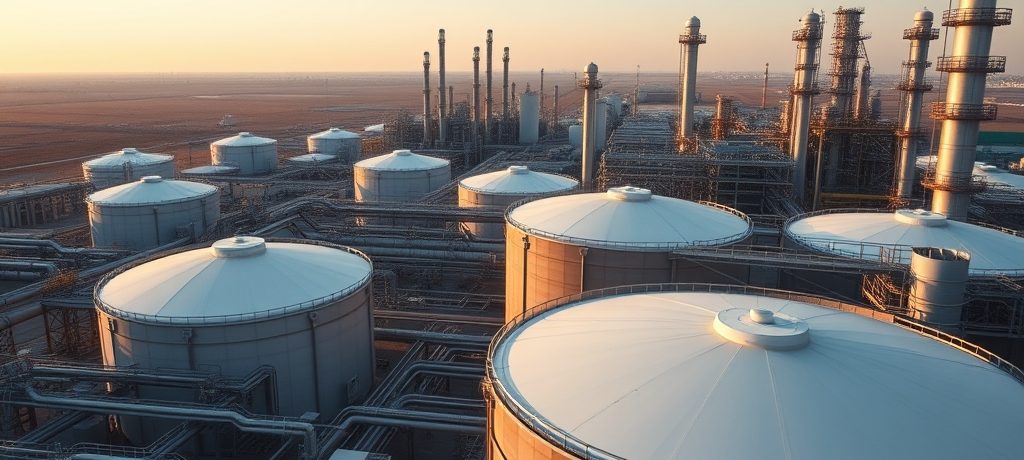
The Organization of the Petroleum Exporting Countries and its allies, collectively known as OPEC+, announced on Sunday that seven participating countries would expand oil production next month. The nations involved in this decision are Saudi Arabia, Russia, Iraq, Kuwait, Kazakhstan, Algeria, and Oman. Their combined increase of 188,000 barrels per day for August is a measured step to address current market conditions, particularly the recent slide in fuel prices.
In their official statement, the group of oil producers reaffirmed ‘the importance of adopting a cautious approach’ and committed to ‘continue to monitor and assess market conditions’ in their ongoing efforts to support market stability. This cautious stance reflects the complex interplay of supply, demand, and geopolitical factors influencing the global energy landscape.
Market Optimism Drives Price Tumble
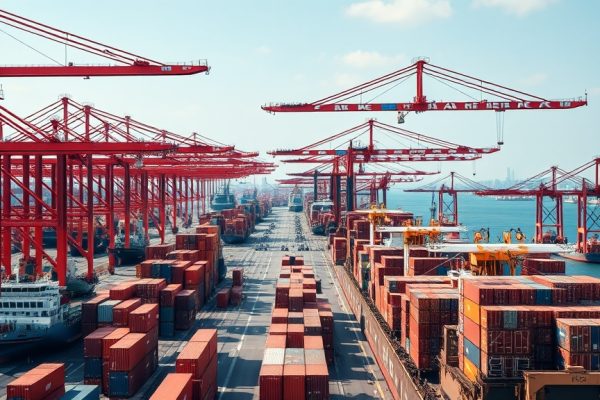
The recent tumble in crude oil prices is directly linked to a significant geopolitical development: an interim deal reached between the U.S. and Iran to end their fighting. This agreement, forming part of a broader memorandum of understanding, included Iran’s commitment to allow ships to pass unimpeded through the Strait of Hormuz, a critical maritime choke point. In return, the U.S. agreed to terminate its blockade of Iran’s ports, a measure that had severely restricted Iranian oil exports.
Before the war, the Strait of Hormuz served as a conduit for roughly a fifth of the world’s oil. The market’s positive reaction to the prospect of normalized shipping and reduced regional tensions has been swift. Brent crude, the international benchmark, closed at under $72 a barrel on Friday. This price point is remarkably close to its value before the U.S. and Israel launched strikes on Iran in late February, and a substantial decrease from the soaring prices that climbed to nearly $120 per barrel in March, when the conflict was at its peak.
Lingering Tensions and Supply Chain Recovery Challenges
The war had created a severe energy crisis across much of the world. With most shipping effectively blocked in the Strait of Hormuz during the conflict, the limited production hikes pledged by OPEC+ in previous months were insufficient to counteract the profound impact on global oil supplies. Early in the war, many major oil producers across the Middle East were compelled to cut production because their crude had no viable routes for export.
While the interim deal has facilitated increased commercial vessel traffic through the strait, volumes remain below pre-war levels. Furthermore, tensions over the waterway persist. Iran’s joint military command issued a stern warning as recently as Thursday, stipulating that all oil tankers transiting the strait must utilize its approved routes or face a “forceful response.” This highlights the ongoing fragility of the situation and the critical need for a more comprehensive and final peace agreement between Iran and the U.S. to ensure long-term stability in the region and global energy markets.
Long-Term Outlook for Production and Consumer Costs
The full recovery of global oil production, particularly from the Gulf region, is expected to be a gradual process. S&P Global Energy, in a recent estimate, projected that Gulf oil production would not rebound fully until at least the first quarter of 2027. This timeline underscores the lasting effects of the conflict and the extensive efforts required to restore pre-war operational capacities and supply chain efficiencies.
Despite the recent moderation in crude oil prices, energy experts have consistently warned that fuel prices and the broader cost of consumer goods are likely to remain elevated well past the conflict’s official conclusion. The cumulative impact of sustained supply chain disruptions, the necessity for significant infrastructure and logistical recalibrations, and the underlying geopolitical uncertainties are expected to continue exerting upward pressure on costs for the foreseeable future. The modest production increase by OPEC+ members, while a step towards market rebalancing, operates within this complex and still-recovering global economic environment.