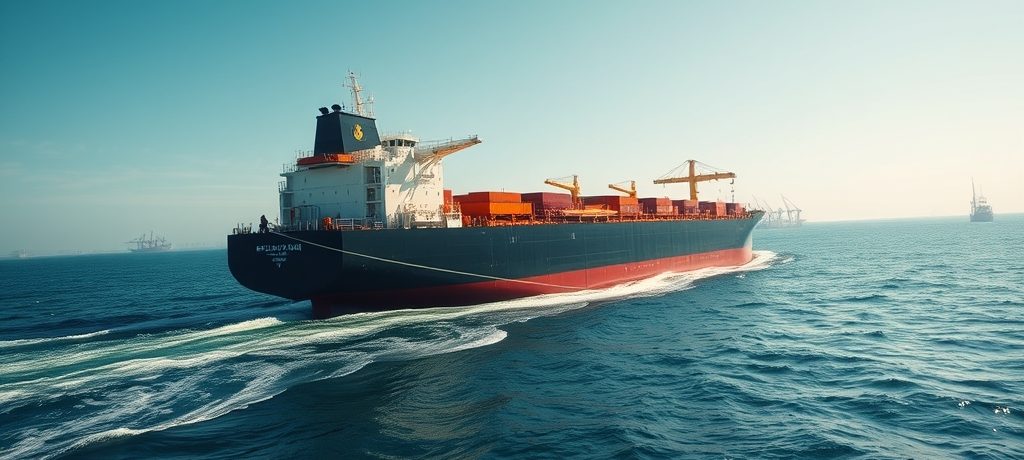
The US Treasury Department has significantly escalated its financial pressure on Iran, announcing it will no longer permit Iranian oil sales to be conducted in US dollars on global markets. This decisive revocation of a key waiver comes in direct response to a series of recent incidents where several tankers were hit by projectiles while attempting to traverse the critical Strait of Hormuz.
The immediate and tangible impact of this policy shift is profound for Iran’s energy sector. More than 60 million barrels of Iranian crude oil are now effectively stranded at sea, lacking any clear buyers due to the inability to process transactions in the world’s primary reserve currency. This volume represents a substantial portion of Iran’s export capacity, now rendered illiquid and inaccessible to international markets.
Market Implications
For global investors and energy markets, this development introduces a new layer of geopolitical risk. The Strait of Hormuz, a vital chokepoint for global oil shipments, has seen a deterioration in maritime security, with the attacks on commercial vessels serving as the direct catalyst for Washington’s latest punitive measure. The US Treasury’s action effectively isolates a major oil producer from the dollar-denominated global market, highlighting the potent leverage of financial sanctions in international relations.
Analysts will be closely monitoring the ripple effects on crude prices and supply chain stability. The sudden removal of 60 million barrels from potential circulation, coupled with the heightened risk in a crucial shipping lane, could contribute to increased volatility in the energy sector. The long-term implications for Iran’s economy and the broader stability of global oil supply chains remain a critical watchpoint for market participants.