UK motorists faced an unprecedented financial hit in March as petrol and diesel prices surged at their fastest monthly rate on record, according to the RAC. The motoring organisation reported that geopolitical tensions, specifically the US-Israel war with Iran, propelled wholesale energy costs, leading to significant increases at the pumps and raising concerns across the broader economy.
The Unprecedented Price Jump
The RAC’s latest data reveals a stark reality for drivers, with petrol costs jumping by 20p per litre and diesel by a substantial 40p per litre within the month since the conflict began. This rapid escalation has translated into a considerable burden for households; filling a typical family car with petrol now costs approximately £11 more, while a diesel tank has become £22 more expensive. As of April 2, average petrol prices stood at 153.7p per litre, with diesel at 184.2p per litre.
Despite these sharp increases, current prices remain below the peaks observed in summer 2022, when petrol reached 191.5p and diesel hit 199p a litre following Russia’s invasion of Ukraine. The swiftness of the recent rise, however, has drawn scrutiny, with accusations of price gouging against fuel retailers, an issue currently under investigation by the official markets regulator.
Geopolitical Tensions and Crude Oil Volatility
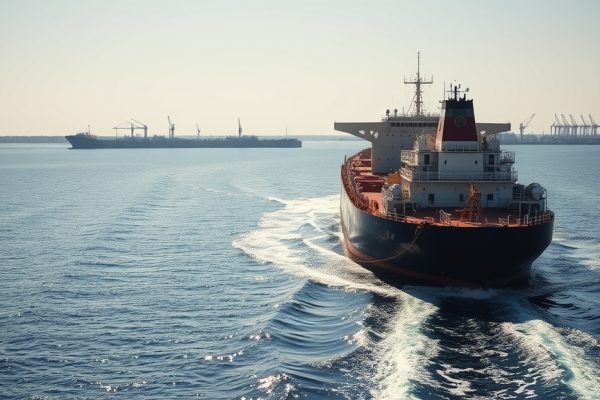
The primary catalyst for this record surge is the volatility in global crude oil markets, directly linked to the US-Israel war with Iran. The conflict has disrupted production and transportation routes, particularly through the crucial Strait of Hormuz, a key artery for global oil supplies. Crude oil is a fundamental component in the production of petrol and diesel, meaning fluctuations in its wholesale cost directly impact pump prices.
Analysts observed Brent crude, the international benchmark, experiencing significant swings, initially jumping from $73 (£55) to over $110 a barrel, before settling back to just over $100 by the end of March. Experts estimate that every $10 increase in the oil price typically translates to a roughly 7p per litre rise at the pumps, with a usual time lag of about a fortnight for these market movements to filter down to consumer prices.
Supply Concerns and UK Resilience
The escalating situation has also sparked concerns about supply stability. The boss of oil giant Shell warned of a potential fuel shortage in Europe within weeks due to blockages in the Strait of Hormuz. In response, the International Energy Agency (IEA) suggested measures such as working from home and carpooling to reduce energy and fuel consumption.
However, the UK government and Fuels Industry UK have maintained that Britain’s fuel supplies are ‘resilient,’ assuring the public that they can continue to purchase fuels as normal. The UK, heavily reliant on oil and gas imports primarily from the US and Norway, holds more than the IEA-mandated 90 days’ worth of net oil imports, with oil constituting 35% of the nation’s total energy supply, according to the Department for Energy Security and Net Zero. While some have advocated for easing restrictions on new drilling licences in the North Sea to mitigate price rises, others contend this would likely not significantly reduce energy prices for the public.
Broader Economic Ripple Effects
The impact of surging fuel costs extends far beyond the petrol pump, threatening to ripple through various sectors of the UK economy.
Impact on Food Prices
More expensive petrol and diesel directly inflate transport costs for businesses, which are often passed on to consumers through higher prices at shops and supermarkets. Furthermore, Benjamin Godwin, a partner at investment advisory firm PRISM Strategic Intelligence, noted that certain elements of crude oil are used in fertiliser production, implying potential cost implications for food prices. However, Godwin suggested that a short-lived conflict might not result in an immediate increase in food prices.
Household Energy Bills
For millions of UK householders, domestic gas and electricity bills are largely shielded from immediate wholesale cost impacts in the short term. Prices governed by the energy price cap are already set for the three months from April. Nevertheless, the duration of the conflict could influence the next price cap setting for the period starting July. While those on fixed energy tariffs will not see an immediate rise, suppliers have begun to reconsider and withdraw cheaper fixed-price deals from the market. Households in Northern Ireland and some rural areas, which rely on heating oil, face more direct price fluctuations, with the latest global uncertainty pushing up their costs. In response, the prime minister has announced a £53m support package to assist those affected by the sharp increase in heating oil prices.
Inflation and Interest Rates
The record rise in fuel prices also casts a shadow over the UK’s inflation outlook and the Bank of England’s monetary policy. UK inflation, which had been easing since its post-Ukraine invasion peaks and was expected to continue falling this year, could be stalled or slowed by higher energy costs pushing up prices more broadly. This uncertainty, in turn, questions the anticipated steady downward trend in interest rates, which the Bank of England uses to keep inflation near its 2% target. Consequently, mortgage lenders, whose rates are influenced by expectations of Bank of England actions, have already started to increase their own lending rates, potentially leading to slightly higher costs for those remortgaging or taking out new mortgages.
The unprecedented monthly surge in petrol and diesel prices in March underscores the immediate financial strain on UK consumers and businesses, directly linking global geopolitical events to domestic economic realities. While the UK government asserts the resilience of national fuel supplies, the broader implications for inflation, household energy bills, and borrowing costs present a complex and evolving challenge that will require close monitoring in the coming months.