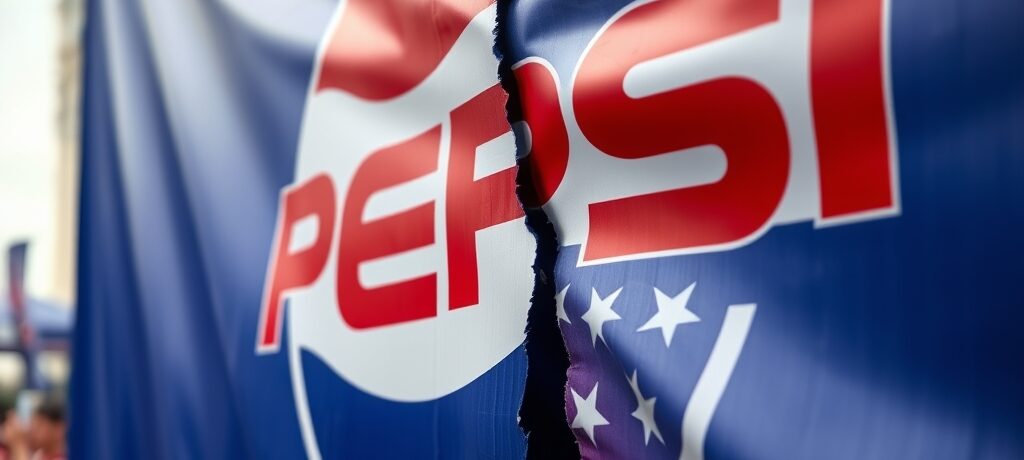
Pepsi has announced its immediate withdrawal as a sponsor for the Wireless Festival in London, a significant move prompted by the controversial booking of Kanye West, now known as Ye, as the headliner for the three-day event. The decision underscores the increasing corporate scrutiny on brand associations, particularly when artists’ public conduct poses substantial reputational risk.
The beverage giant, a ‘long-standing partner’ of the festival, had its brand prominently featured in the event’s marketing, which was billed as ‘Pepsi presents Wireless Festival.’ This abrupt termination of a key sponsorship highlights the financial and brand equity considerations that corporations face when confronted with widespread public and political condemnation of associated figures.
The Catalyst: Kanye West’s Controversies
Kanye West’s planned appearance at the Wireless Festival, scheduled for 10-12 July in north London, has ignited a fresh wave of criticism stemming from his history of antisemitic remarks and actions. These include a song titled ‘Heil Hitler,’ glorifying the Nazi leader, and declaring himself a Nazi last year, which led to him being blocked from entering Australia.
His past conduct also includes a series of offensive tweets in 2022, such as an image combining a swastika and the Star of David, and a post stating he would go ‘death con 3 On Jewish people.’ Additionally, he drew criticism for wearing a ‘white lives matter’ T-shirt during Paris fashion week. While West issued an apology in January, taking out a full-page advertisement in the Wall Street Journal and attributing his actions to bipolar disorder, the lingering impact on public perception remains evident.
Political and Public Pressure Mounts
The announcement of West’s headlining slot immediately drew sharp rebukes from prominent political figures and Jewish community leaders. Prime Minister Sir Keir Starmer described the booking as ‘deeply concerning,’ stating that West had been booked ‘despite his previous antisemitic remarks and celebration of Nazism.’
‘Antisemitism in any form is abhorrent and must be confronted firmly wherever it appears,’ Sir Keir added, emphasizing the collective responsibility ‘to ensure Britain is a place where Jewish people feel safe.’ Liberal Democrat leader Sir Ed Davey called for the government to ban West from entering the UK, arguing that ‘we need to get tougher on antisemitism’ and labeling the planned appearance as ‘extremely serious.’
Conservative leader Kemi Badenoch echoed these sentiments, noting a ‘huge increase in antisemitism all across the world’ and advocating against ‘platforming people who make antisemitic statements or who put out anything that will incite violence and hatred towards Jews.’ Nigel Farage, leader of Reform UK, stated, ‘Personally I wouldn’t buy a ticket.’ The leader of the Board of Deputies of British Jews also told BBC Newsnight that West should be blocked from entering the country, while a spokesperson for London Mayor Sir Sadiq Khan affirmed that West’s ‘past comments and actions… are offensive and wrong, and are simply not reflective of London’s values.’
Broader Corporate Repercussions and Precedents
Pepsi’s decision follows a pattern of corporate disassociation from Kanye West due to his controversial statements. Notably, clothing brand Adidas parted ways with the rapper in 2022, explicitly stating at the time that it ‘does not tolerate antisemitism and any other sort of hate speech.’ This prior instance established a clear precedent for major brands severing ties over ethical and reputational concerns, highlighting the tangible financial consequences for artists whose conduct alienates key partners.
West’s social media accounts, including his X account, were also banned multiple times in 2022 for violating platform rules, further illustrating the widespread condemnation and the commercial risks associated with his public persona. Despite these controversies, West’s latest album, Bully, released in March, currently has three songs in the UK’s top 100 singles chart, indicating a continued, albeit complicated, commercial presence.
Implications for Wireless Festival and Sponsorship Landscape
The withdrawal of a ‘long-standing partner’ like Pepsi undoubtedly presents a significant financial and logistical challenge for Wireless Festival organizers, Festival Republic. While the festival had described West’s performance as a ‘three-night journey through his most iconic records,’ the loss of a major sponsor could necessitate a re-evaluation of event funding, marketing strategies, and potentially even the lineup itself, depending on the terms of the sponsorship agreement and the broader market reaction.
This incident serves as a stark reminder for the entertainment and corporate sponsorship sectors regarding the increasing importance of due diligence and ethical considerations in partnerships. Brands are under heightened pressure from consumers, political figures, and advocacy groups to align with values of inclusivity and respect, making associations with controversial figures a high-stakes decision with significant financial and reputational ramifications.