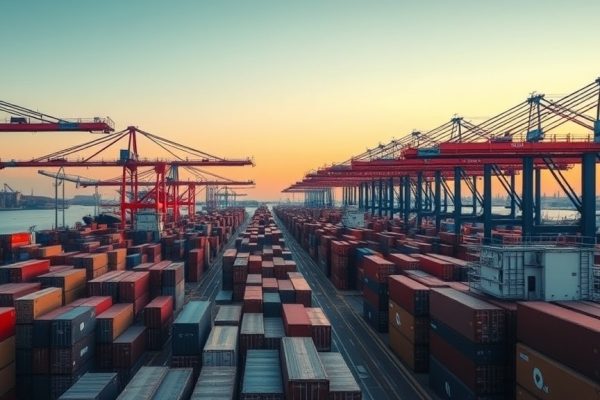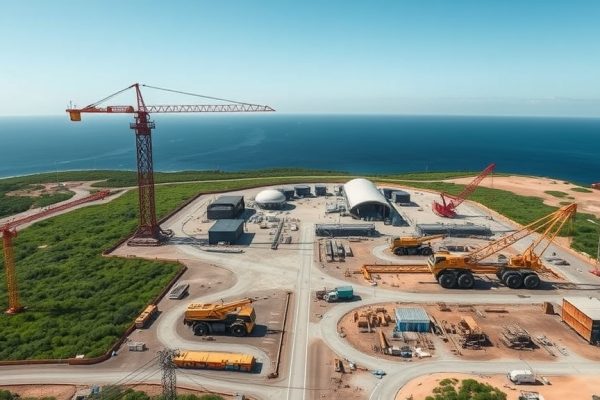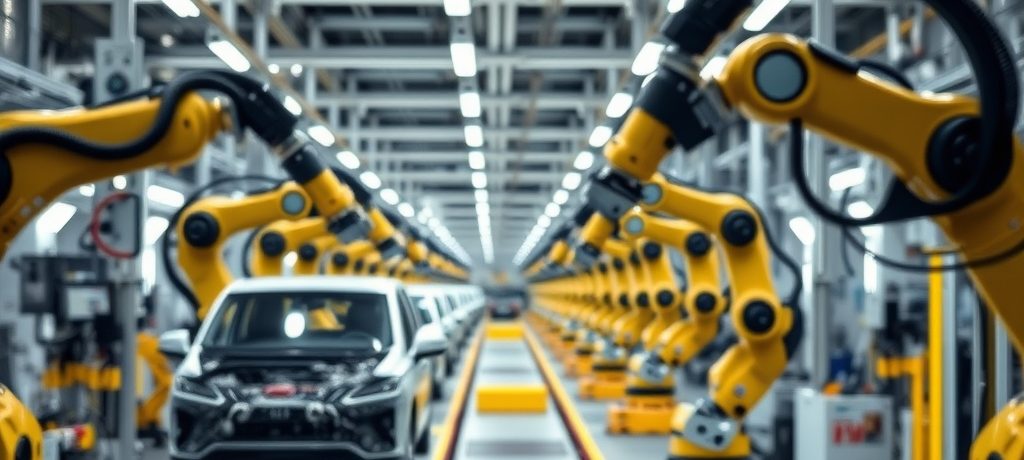
China is fundamentally reshaping its engagement with the European automotive sector, transitioning from a primary exporter of vehicles to establishing comprehensive auto industry ecosystems directly within the EU. This strategic shift involves building significant production capacity across Europe and fostering deeper partnerships with local companies, marking a new phase in global automotive competition and supply chain integration.
This evolution presents a critical challenge for European carmakers, according to Philipp Seidel, an automotive expert at Arthur D. Little. Speaking to FRANCE 24, Seidel emphasized that while protective measures like tariffs and quotas might ‘buy time,’ they are not a sustainable long-term solution. He stressed the imperative for EU manufacturers to ‘improve their own competitiveness’ to effectively counter the influx of Chinese production and maintain market share.
Seidel also highlighted a significant concern regarding the potential for EU carmakers to become ‘too dependent on Chinese suppliers.’ As Chinese firms establish production hubs and forge local alliances, their integration into the European supply chain deepens, raising questions about future autonomy. This strategic pivot by China occurs amidst broader economic discussions, including the latest IMF global growth forecasts and warnings about rising global debt, as reported by FRANCE 24.
The strategic move by China necessitates a robust and proactive response from European industry. The focus must be on enhancing internal capabilities, fostering innovation, and strengthening domestic supply chains to prevent a structural reliance on external components and technologies, thereby ensuring the long-term viability and independence of the European automotive sector.