Chile’s state-owned copper giant, Codelco, is actively pursuing a US$2 billion financial overhaul through the structural merger of three of its largest northern copper mines. This ambitious four-year plan, recently pitched to Codelco’s board by management, aims to deeply integrate the Chuquicamata, Ministro Hales, and Radomiro Tomic operations, according to sources familiar with the matter who spoke to Bloomberg.
The core objective of this integration strategy is to generate US$2 billion in combined cost savings and new revenue by 2027. This will be achieved through the implementation of shared processing plants, a unified operational plan, and a potentially consolidated management structure across the three key assets. The move comes as Codelco, like its global peers, grapples with acute macroeconomic pressures that necessitate significant cost-cutting measures.
Governance Crisis Overshadows Strategic Overhaul
Despite the pressing economic mandate, the proposed US$2 billion overhaul is currently overshadowed by a severe crisis of governance directly impacting two of the core assets involved: Chuquicamata and Ministro Hales. An internal audit recently confirmed that Codelco improperly classified nearly 27,000 tons of material at these two mines as finished product, rather than work-in-process inventory. This misclassification represents approximately 2 percent of Codelco’s total output for 2025.
The inflated metrics allowed the company to artificially meet its December production targets, which subsequently triggered unearned executive bonuses and effectively masked ongoing operational distress within the company. Critics have pointed out that these ‘phantom tons’ contributed to what was recorded as Codelco’s strongest monthly output this decade, significantly exceeding its January-to-November average of 105,600 tons.
Executive Fallout and Political Condemnation
The fallout from this accounting failure has been swift and severe. Codelco has already taken disciplinary action, firing one executive and disciplining seven others. Furthermore, the matter has been referred to public prosecutors to determine if criminal fraud occurred. The incident has drawn intense political fire, complicating Codelco’s efforts to present its integration strategy to the government in the coming months.
Chile’s Economy and Mining Minister Daniel Mas publicly expressed his dismay, stating bluntly on social media, “Codelco is out of control.” Minister Mas added that President Jose Antonio Kast’s administration is obligated to restore accountability within the state-owned enterprise, underscoring the gravity of the situation and the political pressure now facing Codelco’s leadership.
Macroeconomic Imperatives Driving Cost Reduction
The reputational damage from the governance crisis notwithstanding, the macroeconomic imperative for Codelco to reduce costs remains acute. The company is battling fierce inflationary pressures that have largely eroded the benefits derived from historically high copper prices. A significant challenge stems from waning ore grades, which compel the miner to extract and process substantially more rock simply to maintain baseline output levels.
Adding to these challenges, the ongoing conflict in the Middle East has contributed to inflated costs for critical inputs such as energy and sulfuric acid, both essential for copper processing. These combined factors create a challenging operational environment, making the proposed integration and its promise of US$2 billion in savings and new revenue by 2027 a crucial strategic move for the company’s long-term viability.
Operational Synergies and Stakeholder Engagement
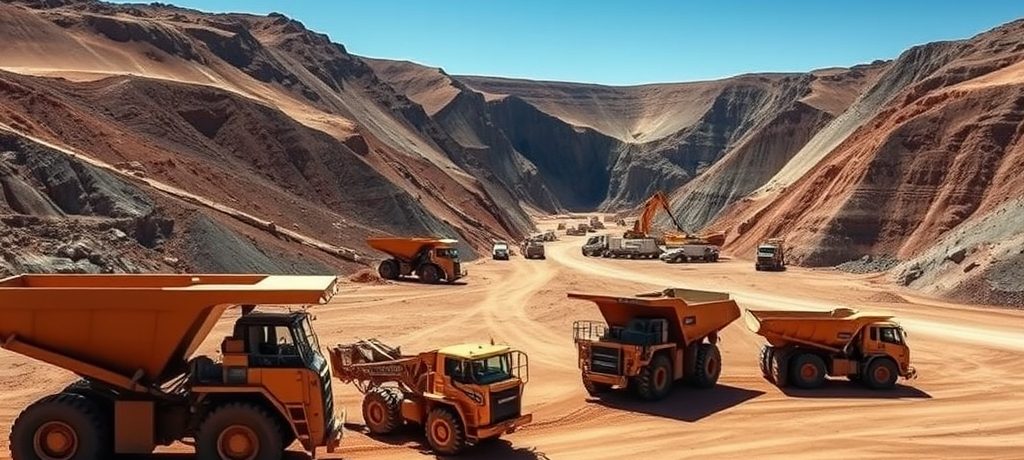
The proposed northern integration aims to address these operational and financial pressures by optimizing resource utilization. The plan envisions ore being routed across property lines between the Chuquicamata, Ministro Hales, and Radomiro Tomic mines to optimize plant capacity and blend material effectively. This blending capability is crucial for meeting specific customer requirements and maximizing the value extracted from the ore.
In anticipation of the restructuring, preliminary discussions with local unions regarding the integration plan are already underway. Engaging with union representatives is a critical step in such a large-scale operational overhaul, ensuring stakeholder alignment and mitigating potential labor disruptions as Codelco navigates this complex period of financial restructuring and governance reform.
As Codelco prepares to present its comprehensive integration strategy to the government, the company faces the dual challenge of demonstrating its financial prudence and restoring public trust. The successful implementation of the US$2 billion overhaul, amidst the ongoing scrutiny of its internal controls and executive conduct, will be pivotal for the future trajectory of Chile’s national copper champion.