A simple coffee, once a modest morning ritual, has become a potent symbol of the intricate and often turbulent forces shaping the global economy. With prices in many UK city centres now breaching the £4 threshold, and large coffees with alternative milks nearing £5, the daily brew offers a concentrated insight into commodity inflation, geopolitical strife, climate change, and evolving consumer behaviours.
At Dear Coco, a vintage Italian coffee cart in west London, an iced latte costs £4.50, while a 10 oz latte is £4.10 and a 6 oz flat white is £3.90. Anthony Duckworth, who runs the cart, highlights the mounting pressure: “We feel super strongly about keeping the price of a flat white under £4 for as long as possible,” he states, adding, “But it’s becoming increasingly difficult, because every part of the supply chain has become more expensive. We think there’s a really important psychological threshold around that four pound mark.” This sentiment contrasts sharply with the recent suggestion by Starbucks CEO Brian Niccol in the US, who described a “$9 [£6.68] experience” at one of his outlets as a “really affordable premium experience.”
Climate’s Bitter Harvest
The journey of a coffee bean, particularly the high-grade arabica and the robusta varieties, reveals significant vulnerabilities to environmental shifts. Arabica, known for its sweetness and aroma, is carefully hand-picked in cool altitudes across Brazil, Ethiopia, and Kenya. Robusta, with its higher caffeine content, is mass-harvested, with Vietnam dominating its market since the 1970s.
Two years ago, a convergence of climatic events pushed the prices of both beans to multi-decade highs. Vietnam experienced its worst drought in decades in early 2024, with rainfall collapsing by 30%, compounded by a typhoon during harvest late last year. In Brazil, arabica farmers are still recovering from a severe frost in 2021. Consequently, arabica prices peaked last year above $4 (£2.97) per pound of green beans, significantly up from a historical average of about $1.20, now settling at $3.08. Robusta beans saw an even steeper increase, reaching $2.59 (£1.92) before stabilising at about $1.56. Both remain substantially more expensive than before 2020.
Giuseppe Lavazza, whose family launched the Lavazza coffee brand 131 years ago, describes the past few years as an “unprecedented time in terms of complexity and troubles,” predicting prices are unlikely to drop for “at least a couple of years,” requiring “two big crops from Brazil, Vietnam” to alter market conditions. Adding to the volatility, thousands of Vietnamese coffee farmers now check smartphone price predictions daily, with the Hanoi office of the US government’s Foreign Agricultural Service noting many are storing beans post-harvest, essentially “playing the markets” in anticipation of further price increases. All eyes are now on Brazil’s July crop, with some analysts expecting a bumper arabica harvest, though the prospect of a “super” El Niño this autumn could introduce further turmoil.
Trade Wars and Supply Chain Disruptions
Beyond climate, geopolitical and logistical disruptions have heavily impacted coffee markets. Donald Trump’s ‘Liberation Day’ tariffs, announced last year, disproportionately hit coffee-producing nations, with Vietnam facing a 46% tariff, Indonesia 32%, and Brazil 50% after an escalation. This “tariff belt” caused significant market chaos, with Brazilian exports to the US more than halving last summer. Prices for beans from lower-tariffed countries, such as Colombia, subsequently rose as American suppliers sought alternatives.
US consumers felt the impact directly. Roasted coffee prices surged by 17% in the year to March, while instant coffee rose a near-record 25% – outpacing gasoline prices and becoming the single fastest-rising item in the inflation basket, excluding fuel oil. A bag of ground roast coffee that cost $4.30 in 2020 reached $6.32 in 2024 and is now $9.61, heading towards $10, disproportionately affecting poorer Americans. Brazil’s diverted exports found a new home in Europe, with Germany overtaking the US as the largest importer of Brazilian beans over the course of 2025, providing some cushioning for European consumers. Facing angry voters, Trump signed an executive order last November, exempting coffee beans and other foods from his tariffs, a move that exposed a flaw in the policy given coffee’s reliance on specific subtropical climates rather than ‘cheating America’ or reshoring efforts.
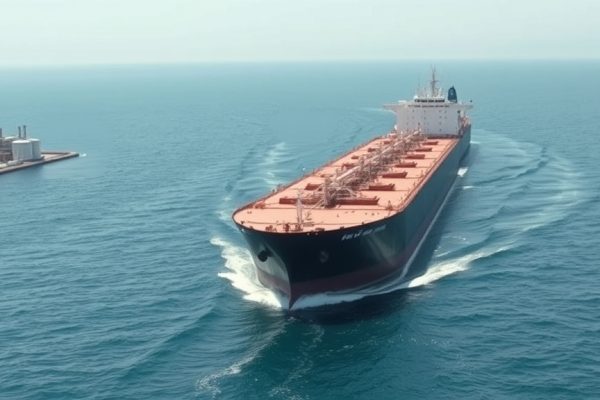
Further complicating the supply chain is the chaos in global shipping. Vessels transporting Vietnamese beans to Europe must now navigate around the southern tip of Africa to avoid Houthi militant threats in the Red Sea, adding approximately 4,000 miles to the journey. New EU anti-deforestation rules, set to take effect across 2026 and 2027, also add costs, requiring suppliers to provide GPS coordinates of plantations for satellite verification, despite repeated policy delays.
The Premiumisation Paradox
Despite these escalating costs, consumer demand for coffee remains remarkably resilient, a phenomenon economists term inelastic. “We saw that despite the high prices, people love having coffee,” notes Lavazza, observing no “significant decrease in terms of volumes in the most important countries.” This enduring demand has fuelled a trend towards ‘premiumisation’, where businesses justify higher prices through enhanced experiences or perceived quality.
The growing popularity of cold brews among younger demographics exemplifies this, offering a ‘fancier’ product. Similarly, chains like Blank Street Coffee, founded by former venture capitalists, employ baristas as “brand ambassadors” to create a “curated experience” that supports elevated pricing for their elaborate concoctions. The trend even extends to some establishments moving beyond coffee entirely, with ‘matcha’ gaining prominence.
The humble coffee cup, therefore, serves as a daily reminder of the complex interplay between environmental challenges, international trade policies, geopolitical instability, and shifting consumer expectations. As global economic forces continue to evolve, the price of a latte will likely remain a sensitive barometer of worldwide pressures, with little immediate relief in sight for consumers or suppliers.