Grain futures experienced a notable decline in Chicago, driven by the potential reopening of the Strait of Hormuz. This development is anticipated to significantly improve global access to vital crop inputs, thereby mitigating the threats of food inflation that have persisted throughout the months-long war and offering a potential reprieve for consumers and agricultural sectors worldwide.
The United States and Iran have reportedly reached an interim agreement to reopen the strategic waterway, a move that would effectively halt a conflict responsible for thousands of casualties. Officials from both nations are scheduled to convene in Switzerland on June 19 to formally sign the agreement, though the upcoming meeting suggests that certain aspects of the intricate deal may still require finalization before full implementation. This diplomatic breakthrough marks a pivotal moment for global trade routes and commodity markets.
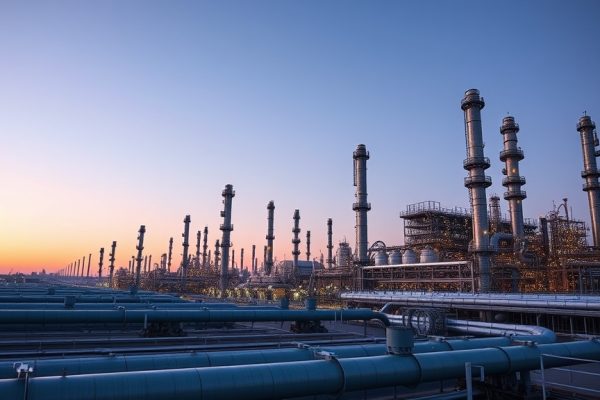
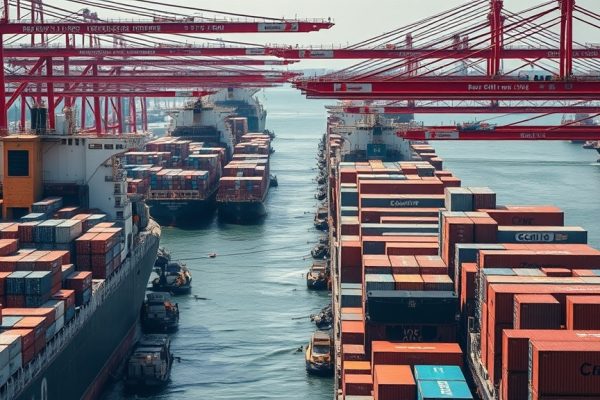
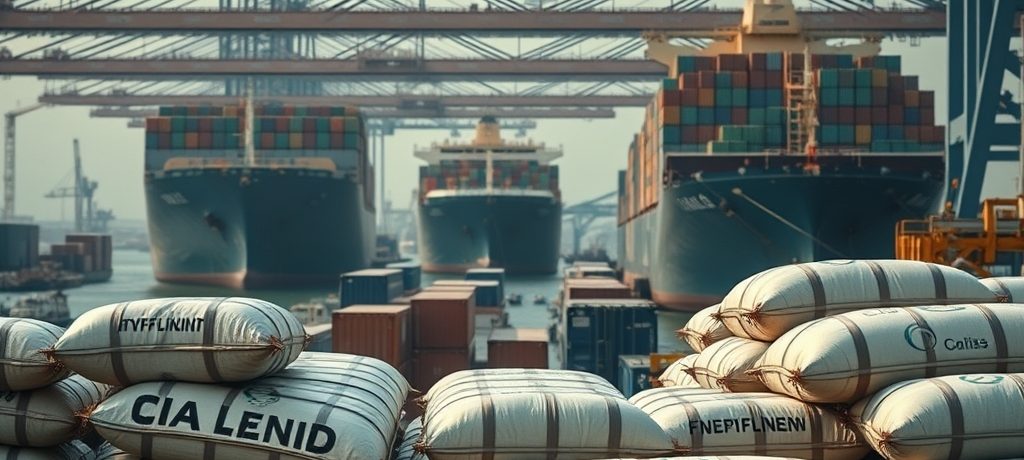
The Strait of Hormuz serves as a critical trade conduit for essential agricultural inputs, particularly fertilizer and fuels, which are indispensable for modern farming operations. Its closure had previously led to a substantial run-up in farmer input costs, directly impacting the profitability of agricultural producers and contributing to the upward pressure on grain and oilseed prices during the conflict. Furthermore, the war-induced rally across energy prices also spurred increased demand for crop-based fuels, such as biodiesel, which were perceived as a more attractive and economically viable alternative to increasingly expensive fossil fuels, creating additional demand for agricultural commodities. The United Nations’ Food and Agriculture Organization (FAO) had issued a stark warning in May, indicating that a severe global food price crisis could emerge within six to twelve months if the strait remained closed, underscoring the urgency of the current agreement.
However, even prior to this announcement, some of the war-driven premium in crop markets had already begun to dissipate in recent weeks. This trend was partly attributable to ample global stockpiles of certain commodities and a gradual decline in fertilizer costs, which had started to ease some of the pressure on farmers. Monday’s trading extended this downward trajectory, reflecting the market’s positive reaction to the news. Corn and wheat futures both registered declines of approximately 0.7% in Chicago. Soybean oil, a key component in biodiesel production, saw a decline of about 1%, with soybeans also trading lower. The prospective reopening of the Strait of Hormuz now adds further momentum to this easing of market pressures, offering a clearer path towards stabilizing agricultural commodity prices and potentially alleviating broader inflationary concerns.