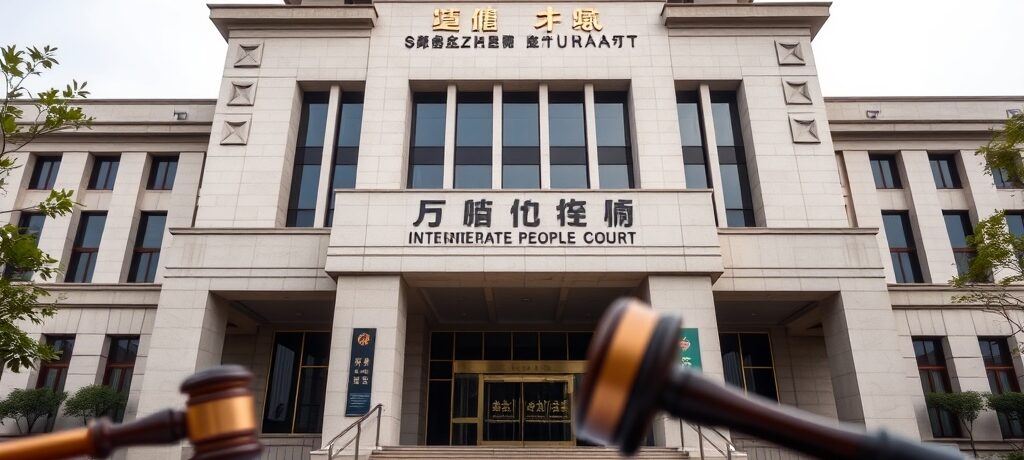
Hui Ka Yan, the founder of the embattled real estate giant China Evergrande, has pleaded guilty to a series of charges including illegal absorption of public deposits, fraud, and corporate bribery. The plea was made during a trial held between Monday and Tuesday, with the Shenzhen Intermediate People’s Court announcing the development via a statement on WeChat on Tuesday, April 14, 2026. Hui, also known as Xu Jiayin, has been detained in China since September 2023 on suspicion of committing crimes, and reportedly expressed remorse in court.
Charges and Legal Proceedings
The specific allegations against Hui Ka Yan are extensive, as detailed by the Shenzhen Intermediate People’s Court. Beyond the primary charges of illegal absorption of public deposits, fraud, and corporate bribery, he was also accused of illegal lending, illegal use of funds, and disclosure of material information in violation of rules. Furthermore, Evergrande Real Estate Group, the company’s mainland property arm, faced allegations of fraudulent securities issuance. While Hui has pleaded guilty, the court stated that a judgment on the matter will be delivered at a later date. The proceedings saw attendance from representatives of those involved in past fundraising activities, alongside members of the National People’s Congress, China’s legislative body.
The Collapse of a Real Estate Behemoth
Hui Ka Yan’s guilty plea marks a critical juncture in the saga of China Evergrande, once the world’s most heavily indebted real estate developer. The company, founded by Hui in the mid-1990s, amassed over $300 billion in liabilities by 2024. This colossal debt led to a Hong Kong court issuing a liquidation order against the company in 2024. Subsequently, shares in China Evergrande were removed from the Hong Kong Stock Exchange in 2025, underscoring the finality of its financial collapse. According to the 2024 ruling, more than 90% of Evergrande’s assets were located on the Chinese mainland.
Wider Economic Repercussions
Evergrande’s downfall is not an isolated incident but a prominent example within a broader crisis that has engulfed China’s property sector. The crisis was triggered in 2020 when Chinese regulators implemented a crackdown on excessive borrowing within the industry. This regulatory intervention made it impossible for many developers, including Evergrande, to obtain necessary financing, rendering their vast obligations to creditors and customers unsustainable. The resulting wave of defaults has not only tipped the property industry into a severe crisis but has also significantly dragged down the world’s second-largest economy, sending ripples through financial systems both within and outside China.
Hui Ka Yan’s admission of guilt underscores the severe legal and financial consequences stemming from the practices that fueled the property boom and subsequent bust, highlighting the ongoing efforts by Chinese authorities to address the fallout from the sector’s collapse.