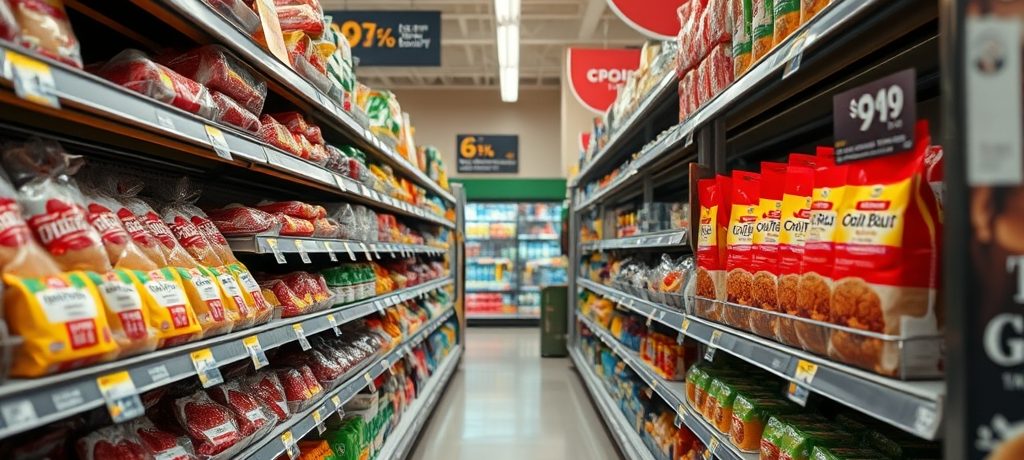
Americans planning Fourth of July celebrations face significantly higher costs this year, with a typical cookout for 10 guests projected to be 4% more expensive than last year, closely mirroring the overall annual inflation rate of 4.2%. This increase is driven by rising production costs across a spectrum of goods, from staple meats and fresh produce to essential transportation fuel, according to recent industry reports.
Beef Prices at Record Highs
Beef remains a primary and substantial contributor to escalating expenses. The Wall Street Journal reported on Tuesday (June 30) that beef prices are at a record high this year. Specifically, prices for ground beef and various cuts of steak have climbed 14% compared to the same period last year. This surge alone contributes to a 2.4% increase in the overall cost of a barbecue for 10 people, data from Wells Fargo’s Agri-Food Institute indicates.
Several interconnected factors are driving these elevated beef prices. A critical issue is lower supply, largely a direct consequence of persistent drought conditions impacting grazing lands. Additionally, producers are grappling with substantially higher costs for animal feed, pasture maintenance, and farm labor. Further complicating the supply chain are challenges caused by ongoing efforts to contain the spread of the New World screwworm, adding to the financial burden passed on to consumers.
Broader Increases Across Cookout Staples
The financial strain extends well beyond beef, impacting a wide array of cookout essentials. The American Farm Bureau Federation (AFBF) stated in a June 24 press release that 10 of the 12 items included in its annual survey of holiday food costs show distinct price increases from last year. For instance:
- The price of a can of pork and beans has jumped 13.8%, primarily due to a drastic rise in the cost of aluminum used in can manufacturing.
- Fresh strawberries are 12.4% more expensive. This rise is attributed to increasing labor and fuel costs, alongside an early spring frost that destroyed a substantial portion of crops, reducing overall supply.
- Hamburger buns have seen a 7.7% price hike, driven by a confluence of higher production costs, elevated transportation expenses, and rising labor costs throughout the baking and distribution process.
Consumers Expect to Spend More
Reflecting these widespread rising costs, consumers across the nation are bracing for a more expensive holiday. An annual survey conducted by the National Retail Federation (NRF) found that consumers expect to spend a record average of $94.41 per person on food items specifically for this year’s Independence Day holiday. This figure marks a noticeable increase from $92.44 last year and represents the highest expected per-person spending since the NRF launched its comprehensive survey in 2003.
Fuel Costs Remain Elevated for Travelers
Travel to holiday gatherings also presents a higher cost burden for many families. While AAA reported on Thursday (June 25) that the national gas price average has experienced a decline for five consecutive weeks, it still remains significantly above last year’s levels. The national average on Thursday stood at $3.918 per gallon, a notable increase from the $3.227 recorded a year ago. In a June 23 press release concerning the Independence Day holiday, AAA cautioned that “Given the recent volatility in gas prices, it’s too early to know what drivers should expect to pay at the pump,” suggesting continued uncertainty for those planning road trips.
As Americans prepare to celebrate Independence Day, the cumulative effect of these elevated prices for essential food items and transportation fuel means that festive gatherings will undeniably come with a higher price tag. This situation reflects persistent inflationary pressures across key sectors of the economy, prompting consumers to adjust their holiday spending and potentially scale back plans to manage increased costs.