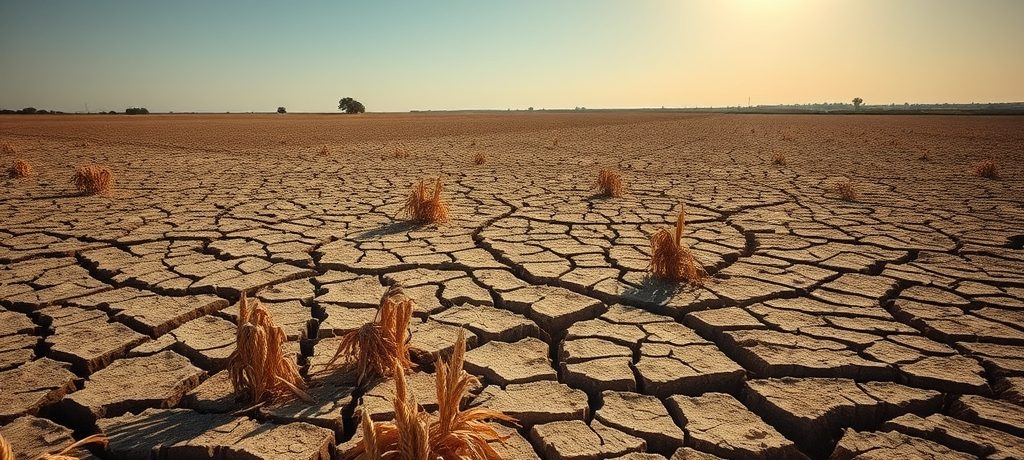
France’s agricultural sector is facing severe distress as an intense heatwave scorches crops across the nation, directly threatening a surge in food inflation. Reports indicate that tomatoes are literally ‘cooking on the vine’ and crucial cereal crops are ‘getting scorched,’ signaling significant losses in agricultural output.
This widespread damage is attributed to the escalating impact of climate change, which is profoundly affecting French agriculture. The direct consequence for consumers is an anticipated rise in grocery costs, with shoppers ‘poised to bear the brunt’ of these production shortfalls. The immediate economic implication is a potential acceleration of food price inflation, adding pressure to household budgets already strained by broader economic factors.
These domestic agricultural woes unfold against a backdrop of wider European economic developments. The European Union and China have established an October deadline to make tangible progress on their ongoing trade disputes, a resolution of which could influence global supply chains. Meanwhile, European Central Bank Chief Christine Lagarde has expressed confidence in the Eurozone economy, asserting its resilience to withstand an eventual cessation of exceptional monetary policy measures.
Despite the broader economic resilience highlighted by the ECB, the specific vulnerability of France’s agricultural sector to climate-induced events presents a distinct and immediate inflationary risk. The direct link between environmental conditions and consumer prices underscores the multifaceted challenges facing European economies, where local agricultural crises can have significant ripple effects on national inflation rates and consumer purchasing power.