Consumer sentiment experienced a notable rebound in early July, climbing by 10% for the second consecutive month, according to preliminary results from the University of Michigan’s Surveys of Consumers. This surge brought the Index of Consumer Sentiment to 54.4, marking its highest point since February’s reading of 56.6.
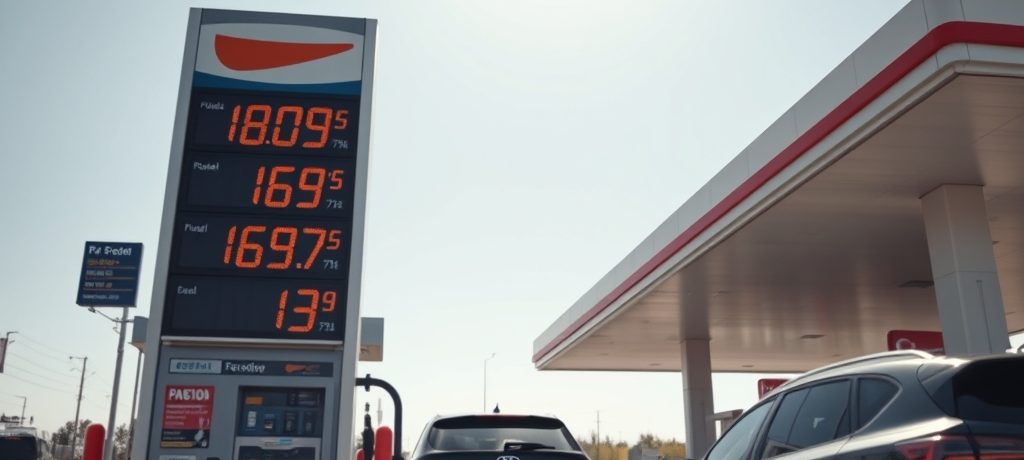
The primary catalyst for this improvement was “easing price pressures at the pump in recent weeks,” as stated by Surveys of Consumers Director Joanne Hsu. Hsu further noted that the rise in sentiment was broad-based, observed “across groups by age, income, wealth and political party,” with “particularly strong increases… seen among consumers without a bachelor’s degree.” Despite these gains, overall consumer sentiment remains 12% lower than the figure recorded a year ago, primarily due to persistent high prices across the economy.
Timing and Fuel Price Dynamics
The timing of the survey interviews provides crucial context for July’s sentiment jump. Interviews for the preliminary results were conducted between June 23 and July 13, with a significant 70% of responses gathered before gas prices began to rise again. This subsequent increase was linked to the United States resuming strikes against Iran, as per the report.
This recent uptick in sentiment represents a significant turnaround from earlier in the year. High gas prices had previously driven consumer sentiment to a historic low of 44.8 in May, surpassing the previous low of 49.8 in April. These figures marked the lowest levels recorded in the over 73-year history of the Index of Consumer Sentiment. Sentiment had initially begun to tick up in early June as gas prices showed signs of easing.
However, the relief at the pump proved to be short-lived for many. AAA reported on July 16 that the national average for a gallon of regular gasoline had increased by 10 cents over the previous week, reaching $3.94. While this figure remained below the $4 range prevalent through April, May, and most of June, it signaled a reversal of the downward trend that had fueled the sentiment improvement.
Broader Confidence and Spending Behavior
Beyond the University of Michigan’s findings, other indicators also reflected a cautious improvement in consumer outlook. The Conference Board’s most recent Consumer Confidence Index, released on June 30, showed a modest increase of 0.6 points in June. Dana M. Peterson, Chief Economist at The Conference Board, commented that “Consumer confidence inched up in June as falling oil prices in recent weeks provided some relief to consumer inflation fears.”
Despite these fluctuations in confidence, consumer spending patterns have shown resilience, albeit with varying dynamics. A PYMNTS Intelligence report, “The Three-Speed Consumer Economy: How Financial Capacity Is Rewriting Spending Behavior,” which is the June installment of the PYMNTS Consumer Expectations Index, indicated that falling confidence has not entirely halted spending. The report highlighted that some consumers retain sufficient financial capacity to continue spending, while others are meticulously managing every dollar, and a third group is rapidly depleting their financial cushion.
The July sentiment jump, largely predicated on a temporary reprieve in fuel costs, underscores the sensitivity of consumer outlook to immediate economic pressures, particularly at the gas pump. While the rebound offers a glimpse of optimism, the subsequent rise in gas prices suggests that maintaining this improved sentiment could prove challenging in the weeks ahead, with underlying inflationary concerns continuing to influence household budgets.