Motorists are being urged by the RAC to actively utilise fuel price comparison tools, as a significant price disparity of over 11p per litre has been identified between petrol stations located less than three miles apart. This oversight means many drivers are missing out on substantial savings, with a recent snapshot in Hull illustrating the potential financial benefit.
Significant Savings Missed on Fuel Purchases
A BBC investigation into fuel prices in Hull on Tuesday found that filling a standard 50-litre fuel tank could cost as much as £78.45 at one forecourt, while a nearby station, less than three miles away, offered the same volume for £72.80. This represents a direct saving of £5.65 for consumers who choose to shop around.
Simon Williams, the RAC’s head of policy, emphasised the importance of these digital tools. He stated, ‘Drivers should make greater use of the government’s Fuel Finder service and other comparison apps to save money.’ Despite the availability of such services, many appear to be underutilised.
The Impact on Everyday Drivers
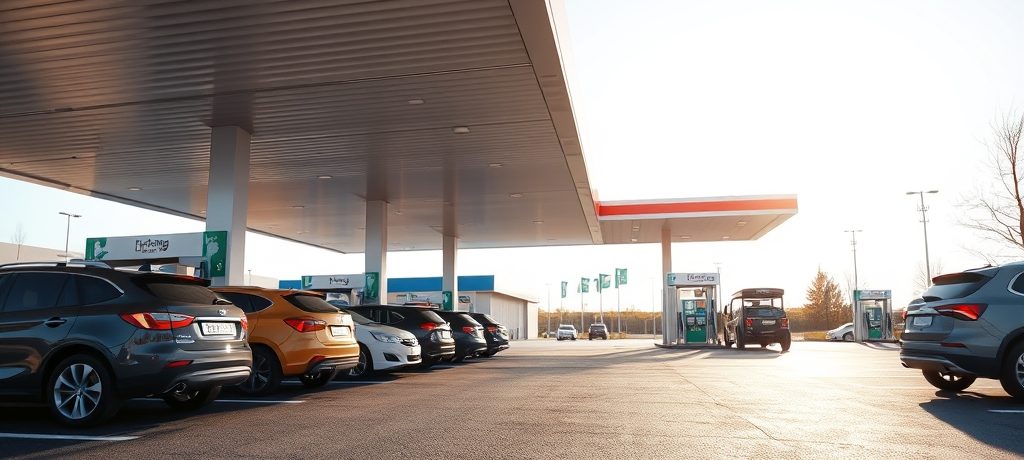
For individuals who rely heavily on their vehicles for their livelihood, the current fuel prices remain a considerable burden. Taxi driver Wayne Parsons, who covers approximately 200 miles daily, described the situation as crippling. ‘It’s still too high, still far too high, especially when you need it for your living,’ Parsons commented while filling his vehicle at a Gulf station in Northpoint Shopping Centre, Bransholme, which he identified as one of the area’s cheaper options. On Tuesday, unleaded fuel at this location was priced at 146.7p per litre, more than 5p cheaper than at another station situated just a mile away.
Other motorists are actively employing these comparison methods. Fellow driver Paul Brown confirmed his practice: ‘We do come here because it is the cheapest in the area.’ However, the broader economic impact is evident, with Christine Colville noting that the cost of fuel is affecting her social activities. She explained that she must now prioritise using her petrol for commuting to work, which has curtailed discretionary trips, such as visiting Sheffield’s Meadowhall shopping centre.
Broader Economic Context and Reporting Issues
The current pricing situation is set against a backdrop of elevated fuel costs. Analysis by the Press Association indicates that average petrol prices across the UK are still approximately 19p per litre higher than they were before the recent conflict in the Middle East, even though global oil prices have returned to pre-war levels. This suggests that factors beyond the wholesale cost of oil are influencing retail pump prices.
Furthermore, on Tuesday, some UK petrol stations faced accusations of failing to promptly report live price changes to the government’s Fuel Finder service. This service is specifically designed to empower drivers with real-time pricing information to facilitate savings and increase competition among retailers. Chancellor Rachel Reeves confirmed that the Competition and Markets Authority has issued hundreds of warning letters to businesses that have not complied with legal obligations to report price changes within the stipulated timeframe.
Since February 2nd, all UK forecourts have been legally mandated to report price adjustments to the Fuel Finder database within thirty minutes of a change. When the service was initially launched, ministers projected that it would lead to average annual savings of £40 per household car owner by fostering greater competition among fuel retailers and subsequently driving down prices.
Factors Influencing Price Variations
Mr. Williams acknowledged that ‘there have been a few issues with the data, some retailers haven’t been updating as much as they should have been.’ He reiterated the RAC’s strong recommendation for consumers to ‘take advantage of them’ referring to the comparison tools.
The Petrol Retailers Association, representing independent forecourts, offered an explanation for some of the reporting inconsistencies. They suggested that smaller, rural sites, which may receive fuel deliveries as infrequently as once per month, could be among those not providing the most frequent price updates. Historically, when oil prices have fluctuated, discrepancies at the pump have been attributed to retailers’ purchasing strategies. Some buy oil in bulk weeks in advance, meaning wholesale price changes take time to be reflected at the pump, while others purchase oil at the prevailing daily rate. Additional contributing factors to price variations include the intensity of local competition and the operational overheads associated with specific filling station locations, particularly in more remote areas.
For consumers, the message from motoring organisations is clear: proactive use of available digital tools can translate into tangible financial benefits, mitigating the impact of persistently high fuel costs on household budgets.