Inflation likely cooled last month as gas prices declined, providing consumers with some welcome relief even as renewed combat in Iran has sent oil prices climbing again. The government’s latest inflation report, set for release Tuesday, is forecast to show that consumer prices dropped 0.2% in June, according to a survey of economists by data provider FactSet. This would mark the first monthly decline in nearly four years.
Compared with a year ago, prices are projected to have risen 3.9%, a decrease from the 4.2% annual rate recorded in May. Gas prices have continued to fall in July, suggesting that inflation could dip further in next month’s report. Despite this positive trend, the improved numbers are unlikely to fully alleviate concerns about affordability, which have become a political challenge for the Trump administration as the midterm elections approach. Inflation remains higher than it was before the conflict in Iran escalated, when it stood at just 2.4%.
Geopolitical Tensions Impact Oil Markets
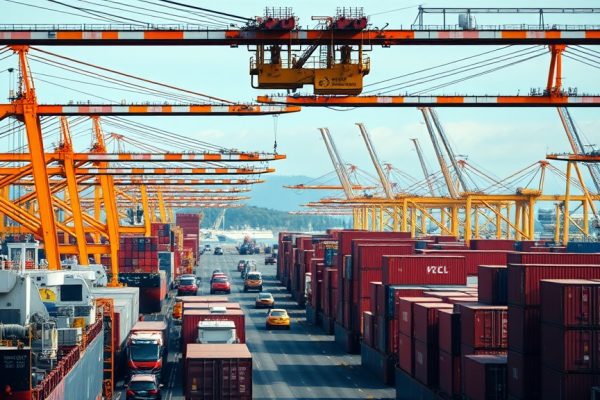
The situation in the Middle East remains volatile, with the price for a barrel of Brent crude oil, the international benchmark, climbing 9.6% to $83.30 on Monday. This surge followed statements from both the United States and Iran asserting control over the Strait of Hormuz. The increase in oil prices has had ripple effects, contributing to higher airfares and pushing up diesel prices, which in turn elevates shipping costs for groceries and other goods.
Broader Inflationary Pressures Remain
Analysts, however, are looking beyond just gasoline prices to assess the overall inflation picture. Economists forecast that World Cup matches held in 11 U.S. cities likely boosted hotel prices. While new and used car prices are expected to have fallen, prices for many services—including restaurant meals, entertainment, and healthcare—continue to rise at a faster pace than they did before the pandemic.
Excluding the volatile food and energy categories, core prices are forecast to have risen 0.2% in July from the previous month, and 2.8% from a year earlier, according to FactSet. Monthly increases at this level for the remainder of the year would bring core prices, which the Federal Reserve closely monitors, nearer to its target. A slowdown in inflation could reduce pressure on the Federal Reserve to raise its key interest rate, a measure typically employed to cool spending and curb price increases.
Federal Reserve’s Inflation Stance
Federal Reserve Chair Kevin Warsh, who assumed office on May 22, has emphasized the Fed’s commitment to returning inflation to its target of 2%. However, he has refrained from signaling the Fed’s next policy moves. Other Fed officials have voiced concerns that inflation has persisted above their target for over five years, suggesting that a rate hike might be necessary if clear signs of decline do not emerge. John Williams, president of the Federal Reserve Bank of New York, stated last week that core inflation increasing at 0.2% per month or less for the rest of the year would align with falling inflation.
Fed governor Christopher Waller expressed worry about core inflation, noting its rise from 3% last December to 3.4% in May, according to the Fed’s preferred measure derived from consumer price index data. He highlighted that the cost of more than two-thirds of services have increased by 3% or more compared to a year ago. Waller, who had previously favored rate cuts earlier this year, is now warning that a hike might be considered. “If we get another hot reading on core inflation this week, then the (Fed) will need to consider tightening monetary policy in the near term,” Waller remarked in a speech in New York.
Mixed Economic Signals
Gas prices have fallen nearly 20% from their peak in late May but have seen a rebound in the past week, likely in response to renewed fighting in the Middle East. Nationwide, gas prices averaged $3.87 a gallon on Monday, a 7-cent increase from the previous week. A month ago, they averaged $4.09 a gallon, according to AAA.
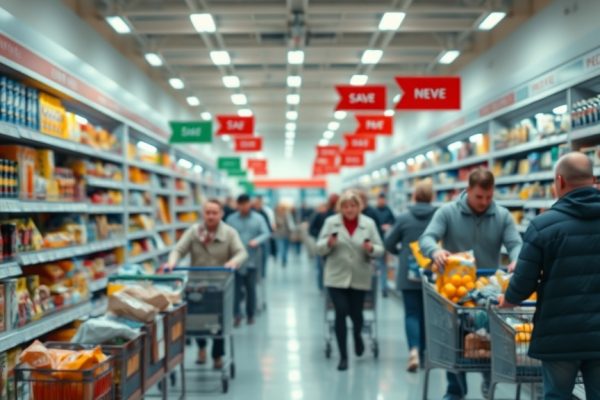
Other economic indicators present a mixed outlook. A survey by the Federal Reserve Bank of New York indicated that nearly half of companies in its region that have paid tariffs still intend to raise their prices further. In contrast, Walmart announced last week a rollback on prices for thousands of items, including ground beef, potato chips, toys, and clothing. President Donald Trump publicly praised this move, though the company did not reference him in its announcement.