Gatwick Airport, the United Kingdom’s second busiest aviation hub, has confirmed the return of its water supply after a major outage on Sunday led to widespread operational disruptions, including the closure of toilets, restaurants, and bars across both terminals. The incident, attributed to a power failure at a key treatment works, has brought into sharp focus the vulnerabilities within critical infrastructure and the financial implications of such service interruptions.
The disruption commenced on Sunday morning, leaving passengers facing long queues for limited toilet facilities and a complete shutdown of food and beverage outlets. SES Water, the utility responsible for the supply, stated that a power outage at its Bough Beech treatment works was the root cause, affecting not only Gatwick but also parts of Kent, Surrey, and south London, including postcodes TN8, TN11, RH1, RH6, and RH10. While the power issue was resolved, SES Water noted that complications made it a “highly unusual and complex issue,” requiring time for the network to normalize.
Operational Fallout and Passenger Experience
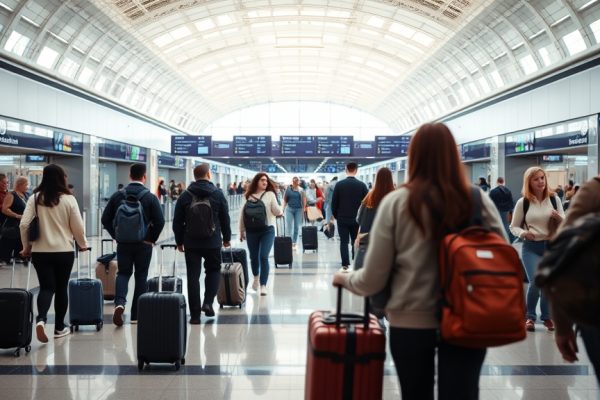
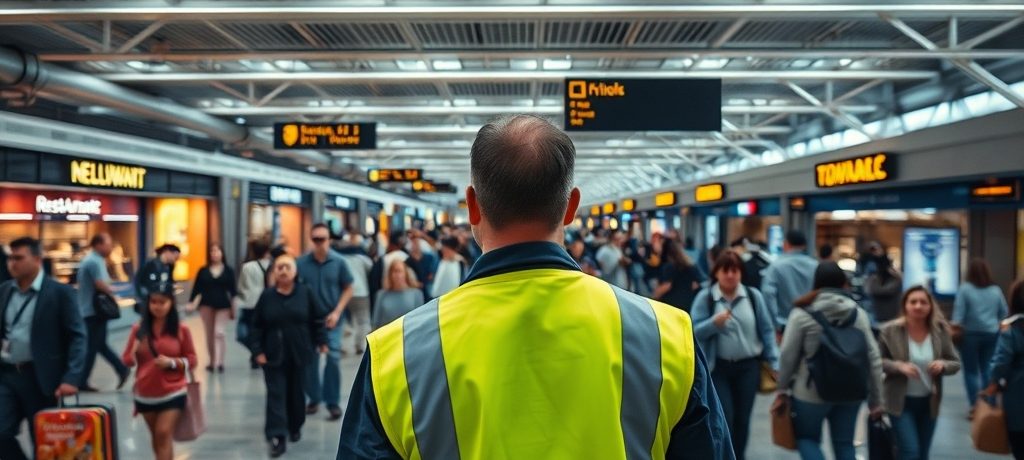
The immediate impact on airport operations was substantial. All bars and restaurants were forced to close, leading to a significant loss of potential revenue for concessionaires and the airport itself. Passenger Paul Lee reported to the BBC a lack of announcements or bottled water distribution, stating, “For people who need to go to the toilet, this isn’t good, and still no announcement or official information.” Former MP Michael Dugher highlighted the passenger discomfort on social media, observing, “No water is one thing but depriving people of somewhere to sit is another… families are having to sit on the floor.” Gatwick Airport apologized, confirming staff were deployed to support passengers and distribute bottled water, with some restaurant partners reopening to provide seating.
Despite the severe operational challenges, Gatwick Airport stated there were “no flight cancellations as a result of the supply issues.” However, BBC reporter Adam Dowling, flying from Valencia to Gatwick, reported his flight was delayed due to the water supply disruption, with passengers informed that landing slots were being adjusted “to reduce the number of flights” into Gatwick. This suggests a ripple effect on flight scheduling, even if direct cancellations were avoided.
Financial and Reputational Costs
The incident carries tangible financial implications. The closure of numerous retail and dining establishments represents lost sales for businesses operating within the airport, impacting their daily revenues and potentially their lease agreements with Gatwick. Roger Wood, a passenger from Tunbridge Wells, described finding “no water at all – no Nando’s, no Wetherspoon, all of those places were completely shut.” The airport’s costs for deploying additional staff and providing bottled water also add to the financial burden. More broadly, such disruptions can erode passenger confidence, potentially influencing future travel choices and thus impacting long-term passenger volumes and associated revenues.
Passenger frustration was palpable. Sarah Houchin, delayed for her flight to Lefkada, described the situation: “The toilets are either closed or they send you to another toilet and it’s a really long queue, and the toilets are disgusting… you can smell them.” Ian Bubb, flying to Alicante, criticized the airport’s preparedness, stating, “Absolute disgrace at Gatwick – total lack of contingency planning for such an event.” Such public sentiment, amplified by social media, poses a reputational risk that can be difficult to quantify but is crucial for a major international gateway.
Infrastructure Resilience and Future Investment
This incident is not isolated. Gatwick Airport and the surrounding area experienced similar water supply issues in July 2022, when a burst water main led to low pressure, affecting 1,200 houses and closing airport toilet facilities. The recurrence of such a fundamental service failure within a short timeframe raises critical questions for investors and stakeholders regarding the resilience of essential infrastructure supporting key economic assets.
The reliance on a single treatment works, Bough Beech, for a critical area including the airport, highlights potential single points of failure in regional utility networks. For investors in airport operators, utility companies, or related infrastructure funds, these events underscore the importance of robust contingency planning, diversified supply chains, and continuous investment in infrastructure upgrades. The cost of proactive maintenance and redundancy measures, while significant, often pales in comparison to the economic and reputational damage inflicted by major service outages at high-profile locations like Gatwick.
The swift return of water supply is a positive step, but the incident serves as a stark reminder of the intricate dependencies within modern infrastructure. For Gatwick Airport and SES Water, the focus will now shift to a comprehensive review of the incident, ensuring that lessons are learned and investments are prioritized to prevent future disruptions that could undermine operational stability and passenger trust in one of the UK’s vital economic gateways.