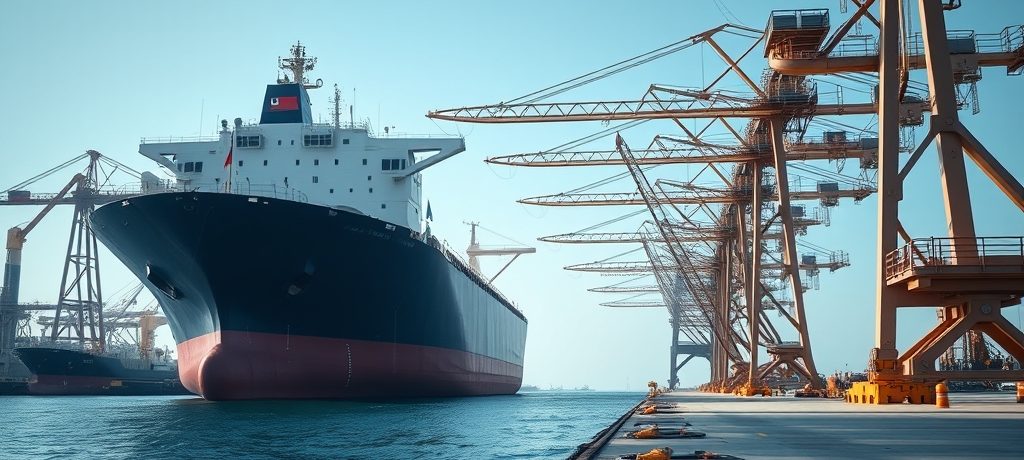
Persian Gulf producers are actively accelerating the loading of oil and liquefied natural gas (LNG) onto vessels, demonstrating a clear commitment to maintaining supply chains despite escalating regional risks. This intensified activity comes in the wake of recent attacks on two commercial vessels traversing the critical Strait of Hormuz, an event that has coincided with a notable renewal of tensions between the U.S. and Iran in recent days.
The strategic waterway, vital for global energy shipments, remains a focal point as producers prioritize throughput. The decision to push forward with oil and LNG loadings underscores the region’s determination to fulfill market demand, even as the geopolitical landscape presents significant challenges to maritime security and operational continuity.
Despite the specific incidents involving commercial vessels and the broader U.S.-Iran friction, the sustained operational tempo highlights the inherent pressures on energy suppliers to ensure continuous delivery. This persistent effort to keep shipping traffic flowing, even under duress, reflects the critical role the Persian Gulf plays in global energy supply. The continued movement of these crucial commodities through the Strait of Hormuz is a key indicator for global energy markets, reflecting both the resilience of producers and the ongoing complexities of regional stability.