India’s economic recovery faces a significant headwind as the global energy crisis and escalating prices threaten to curtail spending among its vast middle class. This emerging challenge undermines a fragile rebound in consumption, compounding difficulties for an economy already contending with market volatility and a depreciating currency. The confluence of these factors risks derailing the momentum needed for sustained growth.
Impact on Consumer Spending and Business Margins
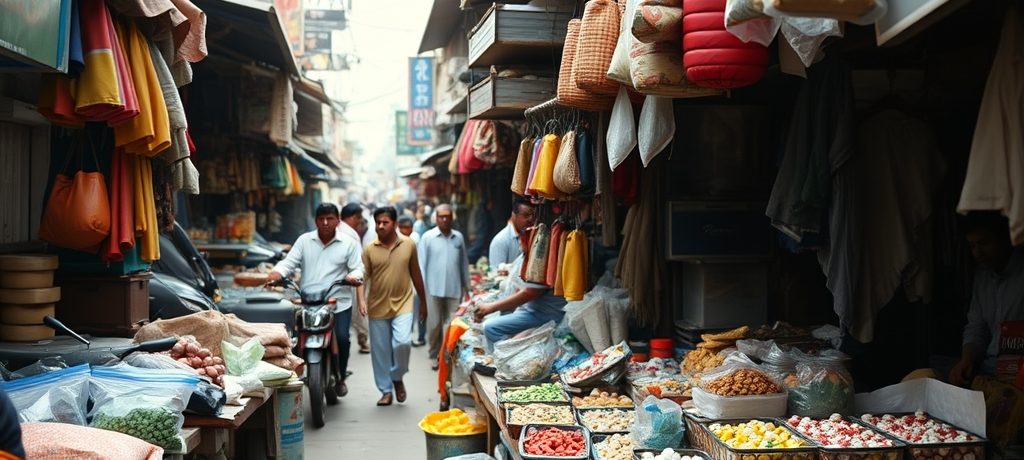
The repercussions of these economic pressures are already evident across diverse sectors of the Indian economy, from prominent car showrooms to clothing retailers and the ubiquitous neighborhood shops that form the backbone of local commerce. Business proprietors and sales personnel, interviewed by Bloomberg News, report a discernible shift in consumer behavior: customers are increasingly deferring discretionary purchases and, when buying essentials, are opting for more economical alternatives. This trend is directly eroding sales volumes and compressing profit margins for businesses nationwide, creating a challenging operating environment. Further corroborating this, several retail companies indicated in May that shoppers were adopting a more cautious stance, resulting in a noticeable slowdown in sales growth compared to earlier periods.
Fuel Price Hikes and Broader Inflationary Pressures
This consumer pullback follows closely on the heels of recent, significant fuel price adjustments. State-owned oil companies initiated the first increases in diesel and gasoline prices since 2022, swiftly followed by three additional rapid-fire hikes within a matter of days. These fuel cost escalations have placed additional, substantial strain on household budgets already burdened by rising expenditures for essential food items, various consumer goods, and cooking gas. Hitesh Furia, owner of Shah Jagshi Khimji General Stores in Worli Village, situated near an upscale Mumbai neighborhood, observed this shift firsthand among his clientele. “Everyone’s compromising,” the 46-year-old stated, providing a concrete example: customers who previously purchased rice costing 60 rupees (62 cents) are now consistently opting for rice priced at 50 rupees, illustrating a widespread move to trade down.
Macroeconomic Vulnerabilities and Capital Flight
India stands out as one of the major economies most significantly impacted by the Middle East conflict outside the Gulf region, underscoring its substantial reliance on imported crude oil and natural gas. This dependency exposes the nation to global energy price volatility. The country, which had recently been among the hottest destinations for foreign capital, has witnessed a sharp reversal of this momentum. The increasingly cloudy economic outlook is contributing to tumbling equities and prompting overseas funds to cash out and withdraw investments, further exacerbating market and currency slumps. Asia’s third-largest economy is projected to have expanded by 7.1% in the three months through March, representing the slowest pace in three quarters, according to a Bloomberg survey conducted ahead of official data release. Consequently, several analysts are revising down their growth forecasts for the year, signaling a weakening overall economic outlook.
Consumption’s Critical Role in Growth Trajectory
Further compounding the challenges, the government has lowered its monsoon projection, a development that poses a significant setback for farmers already contending with elevated input costs directly linked to the Iran war. Given that consumption accounts for approximately 60% of India’s gross domestic product, any sustained slowdown in spending, particularly within the crucial rural and small-town areas, is poised to exert significant downward pressure on overall economic growth. The Reserve Bank of India is scheduled to release the findings of its latest bi-monthly consumer confidence survey on Friday, which will offer further, critical insights into prevailing consumer sentiment and spending intentions.
Retail Sector Reflects Heightened Caution
Economists suggest that these escalating cost pressures are likely to significantly sap purchasing sentiment, which had shown nascent signs of recovery in late 2025 following government policy measures such as tax cuts aimed at bolstering household spending power. Recent data from the Retailers Association of India indicates that retail sales expanded by 7% in April. This figure marks the slowest growth recorded this year and represents a notable drop from the 10% growth observed in March. The association explicitly characterized April as a month “marked by cautious consumer behavior,” a sentiment that accurately reflects the broader economic anxieties permeating the market.
The confluence of global energy shocks, persistent domestic inflation, and a cautious consumer base presents a formidable and multi-faceted challenge to India’s aspirations for robust economic expansion. As households across the country adjust spending patterns in response to increasingly tighter budgets, the trajectory of India’s consumption-led recovery remains precarious, demanding close monitoring from policymakers and market participants alike to mitigate potential long-term impacts.