WASHINGTON — Consumer prices likely surged for the third consecutive month in May, pushing inflation toward a three-year high and intensifying concerns for Federal Reserve officials and the Trump administration as midterm elections approach. Economists surveyed by data provider FactSet anticipate that the Labor Department will report an annual inflation rate of 4.2% for May, a notable increase from the 3.8% recorded in April. On a monthly basis, prices are forecast to have climbed by a substantial 0.5%, slightly less than the 0.6% rise seen in April.
This inflationary pressure follows a period of cooling prices before President Donald Trump implemented broad tariffs in April 2025, which contributed to higher costs for numerous goods. The situation has since been exacerbated by the Iran war, which has driven up oil and gas prices, making affordability a critical political issue. The central question now is whether inflation will subside if the conflict concludes and energy prices decline, or if elevated costs will persist.
Concerns Beyond Energy Costs
Some economists express concern that prices remain elevated in sectors not directly tied to energy expenses, such as dental care, motor vehicle repair, and other services. However, wage growth has been modest, which should theoretically reduce pressure on businesses to further increase prices. This dynamic leads analysts and financial markets to closely monitor core inflation, which excludes the volatile food and energy components.
According to FactSet, core inflation is projected to have risen by 0.3% in May compared to April. This pace is consistent with annual readings that remain significantly above the Federal Reserve’s 2% target. On an annual basis, core inflation may edge up to 2.9% from 2.8%.
Geopolitical Impact on Energy Prices
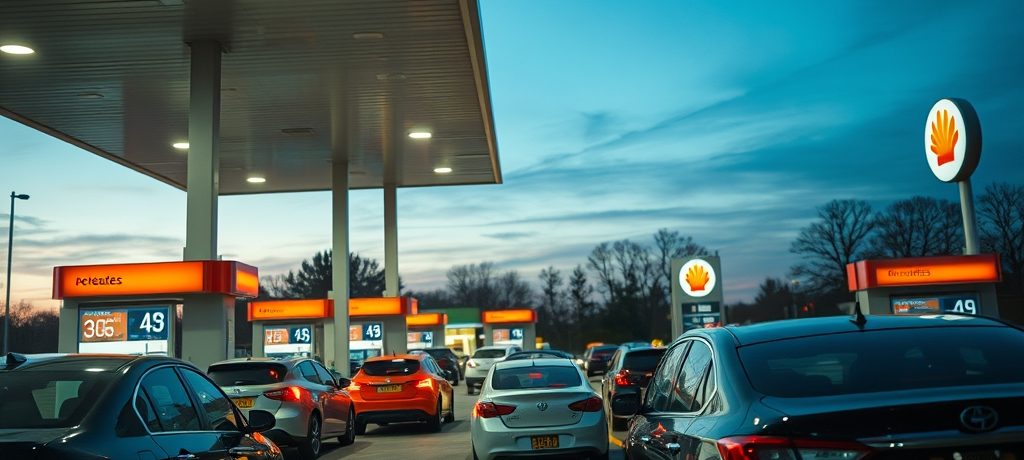
While gas prices have seen a decline this month, they experienced a significant increase in May due to Iran’s closure of the Strait of Hormuz. This action disrupted approximately one-fifth of the global oil supply. Data from the Energy Information Administration shows that average prices at the pump rose from about $4.04 in mid-April to $4.49 in mid-May. Prices have since retreated to an average of $4.16 nationwide, according to AAA, a development that could contribute to a more moderate inflation reading in June.
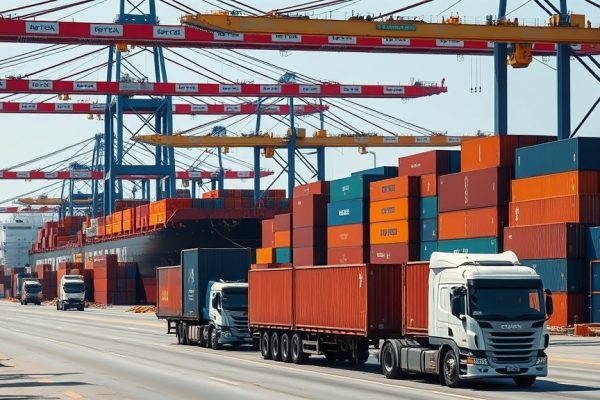
The rise in diesel fuel prices has also led to increased shipping costs. Companies such as UPS and FedEx have introduced fuel surcharges in recent months. This is expected to translate into higher grocery prices, which had already jumped 0.7% in April and are 2.9% higher than a year ago.
Federal Reserve’s Shifting Stance
Stubbornly high inflation has prompted a recalibration of the debate among Federal Reserve policymakers. Earlier in the year, many officials had signaled an inclination to cut their key interest rate twice more. Now, an increasing number of officials suggest that the Fed’s next move is more likely to be a rate hike rather than a cut. When the Fed raises its key rate, it typically leads to higher borrowing costs for mortgages, auto loans, and business loans over time.
Wall Street investors, based on futures prices tracked by CME Fedwatch, anticipate a Fed rate increase in December. Despite the inflationary pressures, the job market shows signs of improvement, with healthy hiring levels in May and continued economic growth. These positive indicators suggest that the Fed may not need to lower rates to stimulate the economy and employment. They also imply that current interest rates are not unduly hindering economic activity.
Nevertheless, some officials advocate for rates to cool economic growth slightly, believing this could help reduce inflation. Interest rates on two-year and 10-year Treasury securities have risen since Friday’s jobs report, which indicated accelerated hiring in May. This suggests investors anticipate that inflation may remain elevated, potentially necessitating Fed rate hikes.
Leadership Under Pressure
The current inflationary environment places the new Fed Chair, Kevin Warsh, in a challenging position. Warsh had previously supported rate cuts last year and was appointed by President Trump to succeed Jerome Powell, whom Trump had frequently criticized for not lowering rates more aggressively. Currently, President Trump and White House officials are primarily arguing against rate increases, rather than demanding further cuts.
Some economists continue to point to tariffs as a factor contributing to rising costs, particularly in sectors like clothing, which saw a 0.6% price increase in April and is 4.2% more expensive year-over-year. Higher fuel costs may have also contributed to increased airline fares last month, which would further impact core inflation figures.