The ongoing conflict in Iran is catalyzing a fresh wave of enthusiasm regarding the potential for China’s yuan to more effectively compete with the US dollar on the global stage. This renewed interest centers on the “petroyuan” concept, a strategic vision President Xi Jinping previously championed with limited success during a 2022 trip to the Middle East, now finding new life amidst geopolitical tensions.
nn
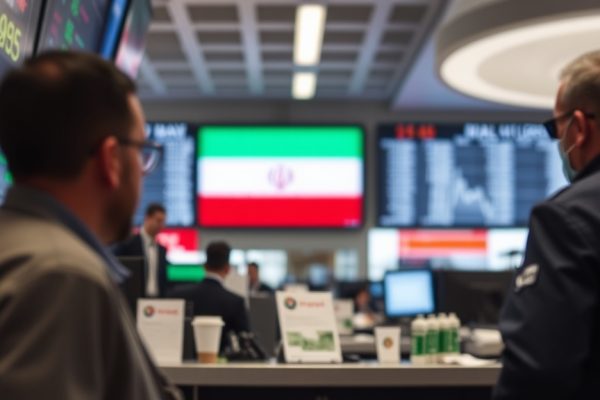
Despite the greenback’s overwhelming dominance in international trade, the yuan has experienced an uptick in demand following Iran’s assertion of control over the Strait of Hormuz. Notably, Iran began accepting payments in China’s currency to facilitate safe passage for freighters through the critical waterway. This shift occurred even as President Trump initiated a blockade of Iranian ports after peace talks collapsed over the weekend, underscoring the immediate impact of the conflict on currency preferences.
nn
Concrete Indicators of Yuan’s Growing Role
nn
Tangible evidence of this burgeoning trend has emerged. A Chinese government-affiliated scholar recently indicated that the volume of yuan-denominated crude oil transactions has increased due to the conflict. Further bolstering this narrative, China’s Cross-Border Interbank Payment System (CIPS) recently recorded a single-day transaction record of 1.22 trillion yuan, equivalent to approximately $179 billion. This milestone marks the first time the system has surpassed the 1 trillion yuan mark, signaling a significant surge in cross-border yuan usage.
nn
Mallika Sachdeva, a strategist at Deutsche Bank AG, encapsulated the prevailing sentiment in a recent note, stating that the war “could be remembered as a key catalyst for erosion in petrodollar dominance, and the beginnings of the petroyuan.” This perspective highlights the potential for the current geopolitical climate to serve as a pivotal moment in the global currency landscape.
nn
China’s Strategic Infrastructure for Yuan Internationalization
nn
Deutsche Bank is not alone in recognizing the strategic logic behind pricing oil in the currency of the world’s largest crude importer. China has systematically strengthened its economic ties with the Middle East, laying foundational infrastructure to support yuan internationalization. This includes the development of an oil-trading infrastructure in Shanghai, complete with futures contracts designed to facilitate yuan-denominated oil transactions. Concurrently, Beijing has expanded its CIPS system and explored an international digital currency platform, actively engaging Mideast partners in these initiatives.
nn
Official data reveals a substantial increase in yuan payments and receipts between China and the Middle East, reaching 1.1 trillion yuan in 2024. This figure represents an impressive annual growth rate of 53% since 2020. While the majority of these transactions involved securities, rather than goods, which constituted just 18% of the total, the overall trend underscores deepening financial integration.
nn
The Enduring Dollar and Formidable Challenges
nn
Despite these developments, the path to a widespread “petroyuan” remains complex and fraught with challenges. Chi Lo, senior Asia Pacific market strategist at BNP Paribas Asset Management, offered a nuanced perspective: “The Middle East conflicts will certainly increase the incentive to use renminbi in oil trade, especially in the developing world. But they will not prompt a paradigm shift, because there is no competitor that can replace the dollar for quite some time.”
nn
The stakes in this currency competition are exceptionally high. Crude oil alone accounts for a fifth of global trade denominated in the greenback. A significant shift in its pricing and settlement mechanisms could lead to a more fragmented global monetary system, potentially eroding the dollar’s long-standing dominance. A growing number of emerging economies are already exploring avenues to reduce their reliance on a currency that, in their view, is increasingly “weaponized” by the United States through sanctions and other geopolitical tools.
nn
However, the long-term impact of the current conflict on global oil pricing and currency preferences will require considerable time to fully materialize. Many analysts remain skeptical about the yuan’s immediate capacity to fundamentally challenge the dollar’s supremacy. President Trump’s decisive blockade of Iran’s ports serves as a stark reminder of the formidable and ongoing challenges confronting the “petroyuan” ambition, particularly its expansion beyond US-sanctioned countries that often have limited alternative options for international trade and settlement.