U.S. retail sales experienced a modest 0.2% increase in June, a figure that, while seemingly subdued, masks underlying consumer resilience driven by significant purchases in the automotive sector and robust online activity. The Commerce Department’s report, released on Thursday, indicates a slowdown from May’s revised 1% gain, yet a deeper dive reveals a more nuanced picture of consumer behavior amidst ongoing economic uncertainty and falling gas prices.
Underlying Strength Beyond the Pump
The headline 0.2% rise in overall retail sales for June was significantly impacted by a 5.3% decline in business at gas stations. This drop was largely attributed to falling gas prices, which reached $3.94 per gallon on Thursday, down from $4.04 a month prior, according to motor club AAA. When excluding the volatile gas station category, retail sales demonstrated a more robust 0.7% increase, signaling that consumers continued to spend on other goods and services.
Bill Adams, chief U.S. economist at Fifth Third Commercial Bank in Dallas, commented on this dynamic, stating, “Cooler headline growth of retail sales in June is actually good news, reflecting lower gas prices. Consumer spending continues to propel the economy.” This perspective suggests that the overall modest growth is a positive indicator of easing inflationary pressures rather than a widespread pullback in consumer demand.
Sectoral Performance and Shifting Priorities
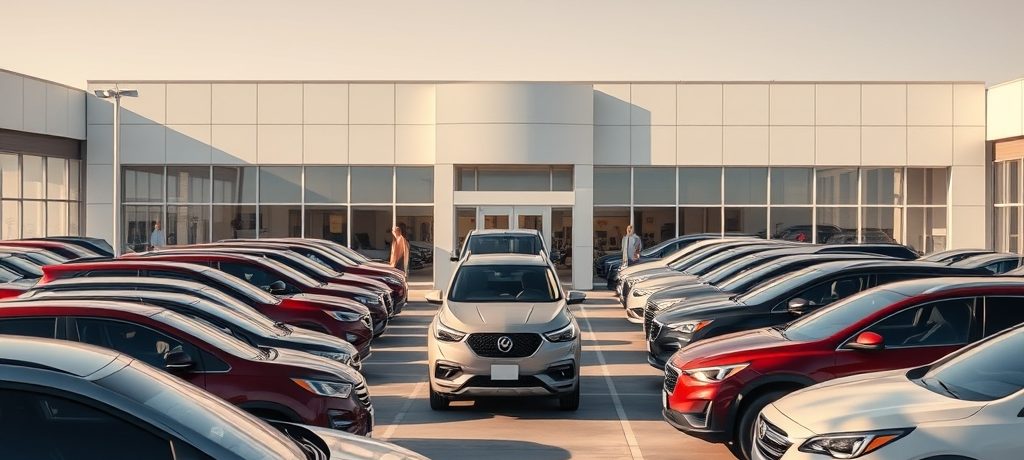
Consumer spending patterns in June showcased selective buying. Sales at motor vehicle and parts dealers surged by 1.9%, indicating continued demand for automobiles. Online sales also saw a significant boost, rising 1.9%, largely fueled by Amazon’s Prime Day event, which ran from June 23 through June 26. Additionally, sales at sporting goods, hobby, musical instrument, and book stores climbed 1.3%, likely benefiting from spending related to the World Cup.
Conversely, some sectors experienced declines. Business at clothing and accessories stores, as well as at miscellaneous retailers, both slipped 0.3%. Department stores, however, managed a slight 0.1% increase. The report noted that shoppers were being selective, given the fading benefits of generous government tax benefits that had previously propelled spending earlier in the spring. The lone services category included in the report, restaurants, registered a modest 0.1% increase.
Inflationary Headwinds and Consumer Sentiment
The retail sales data arrives as U.S. inflation showed signs of cooling. Consumer prices dropped 0.4% from May to June, marking the largest monthly decline in four years, according to the Labor Department. On a yearly basis, inflation eased to 3.5%, down from a 4.2% gain in May and below many economists’ expectations. This decline was driven by falling costs for gas, clothes, and used cars, offering some relief to consumers.
Economists suggest that the core inflation figures indicate that the gas price spike from the Iran war, while impacting airfares and other costs, has not yet led to broad-based, sustained inflation. However, renewed U.S. attacks on Iran and President Donald Trump’s announcement of a new blockade in the Strait of Hormuz, a critical shipping route for about one-fifth of the world’s oil, threaten to unravel some of this progress.
Consumer attitudes, as reported by the Conference Board last month, showed a slight improvement due to declining gas prices, though their overall outlook remains mostly negative by historical standards.
Cautious Spending and Value-Driven Choices
Individual consumer behavior reflects this cautious sentiment. Sarah Williamson, a 27-year-old software support engineer in Raleigh, North Carolina, noted her increased consciousness about spending. Despite feeling financially secure, rising food and gas costs have led her to pull back on “frivolous spending.” Williamson stated, “I shop less overall as a hobby,” and detailed how she avoids more expensive pre-cut fruits and is careful with clothing purchases, opting for a $30 dress from TikTok Shop and a $72 cotton nightgown from Amazon, the latter being a higher-than-normal spend justified by frequent use.
Retailers are adapting to this value-driven environment. Brian Reynolds, CEO and founder of Just For Teens, a skincare collection, highlighted the success of his low-priced products, such as $5 pimple patches, which cater to budget-conscious families. His brand is set to expand from approximately 4,000 to 10,000 Dollar General stores by October. Reynolds observed, “There’s a lot of space for products that are everyday essentials that are value-priced,” anticipating increased momentum for the back-to-school season.
As major retailers like Walmart, Target, and Macy’s prepare to release their second-quarter earnings reports next month, further insights into shopping behavior and the broader economic landscape are anticipated. While June’s retail sales suggest a resilient consumer, particularly outside of gas purchases, the persistent economic uncertainties and geopolitical developments underscore a continued need for vigilance in monitoring spending trends.