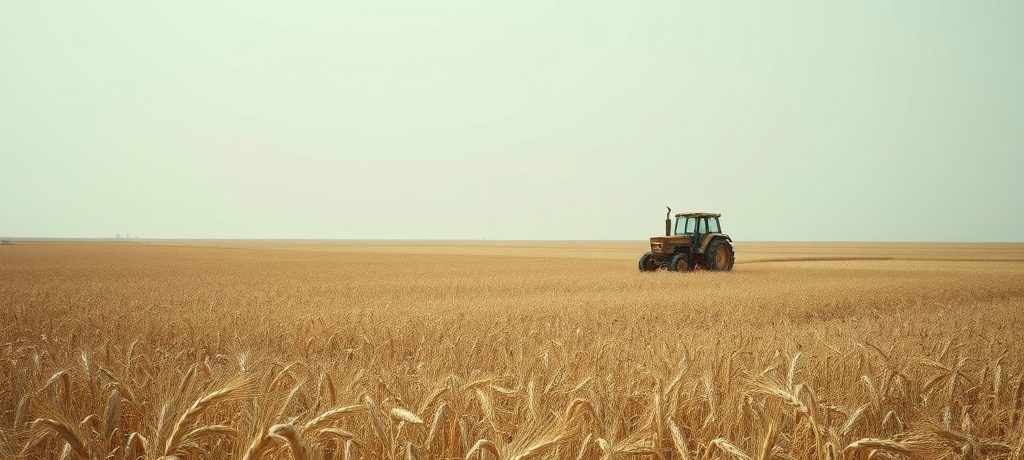
Montezuma, Kan. — For Orville Williams, a wheat farmer in Montezuma, Kansas, the upcoming harvest is shaping up to be one of the most challenging in his nearly six decades of cultivation. Facing a punishing drought, compounded by soaring input costs and lingering effects of trade policies, the outlook for the state’s wheat crop is grim, with projections indicating the worst yield since 1972.
Extreme Weather and Economic Headwinds Hit Plains Farmers
Record-setting drought conditions, coupled with hotter-than-average temperatures and late freezes, have created a hostile environment for wheat growth across the Plains region. These climatic extremes have exacerbated the spread of damaging viruses like the wheat streak mosaic virus and barley yellow dwarf virus, significantly impacting crop potential. Adding to the farmers’ woes are climbing costs for essential inputs such as fertilizer and diesel fuel, alongside the persistent influence of tariffs.
“It’s kind of a double whammy,” Williams, 76, stated, reflecting on the confluence of adverse factors. His farm, spanning 2,600 acres, has historically produced healthy wheat yields, but this season is an anomaly.
Crop Estimates Signal Historic Lows
Data from the U.S. Department of Agriculture (USDA) paints a stark picture. This year’s projected wheat crop is estimated at 1.05 billion bushels, a significant drop from the 1.56 billion bushels harvested in 2025. This decline is particularly impactful for Kansas, a leading wheat-producing state. An analysis of USDA data reveals that only five times in the past 40 years has Kansas’ wheat crop been in such a precarious state, with 58% of the crop rated as “poor” or “very poor” as of May 17. The last comparable period of poor crop condition was during a severe drought in 2023.
Romulo Lolloto, a Kansas State agronomist, characterized the current conditions as “very tough.” He cautioned that these difficulties will inevitably translate to higher prices for consumers, affecting everything from bread costs to the U.S. position in the international wheat market.
The severity of the situation has compelled many wheat growers to file for crop insurance or re-evaluate their reliance on wheat as a primary crop. Williams, who achieved nearly 100 bushels per acre on his irrigated land last year, anticipates yields of only 30 to 40 bushels per acre this season. For his dryland acreage, which depends on rainfall and soil moisture, projections are as low as 10 to 15 bushels per acre.
“I guess my attitude is: Stay the course. Don’t make any new purchases,” Williams said, emphasizing a focus on essential needs over discretionary spending. “And forget your wants and just do your needs.”
Climate Change and Global Market Dynamics
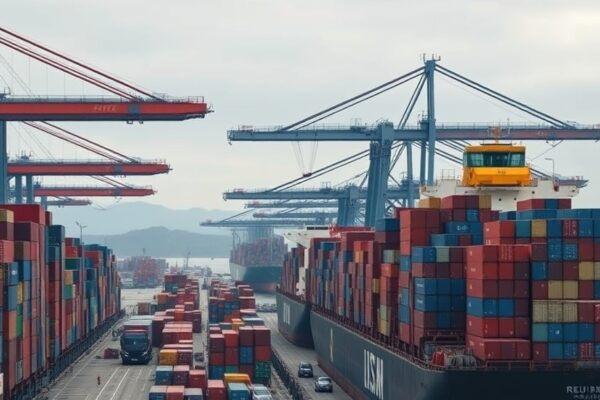
Experts attribute the increasing challenges in agriculture, including wheat farming, to climate change, driven by the burning of fossil fuels. Farmers are reporting more extreme weather events, including unseasonable winter warmth, late frosts, and persistent rainfall deficits. Concurrently, the U.S. has seen its global market share for wheat diminish, facing increased competition from Russia and the European Union. Brad Rippey, a USDA meteorologist, noted a general downward trend in U.S. wheat acreage over recent years, largely attributed to these weather-related challenges.
Despite these headwinds, wheat remains the nation’s third-largest field crop in terms of planted acreage, production, and gross farm receipts, following corn and soybeans. The U.S. is a major global wheat producer and exporter, with thousands of farmers depending on the crop for their livelihood.
Accelerated Growth and High Abandonment Rates
USDA data indicates that the dry conditions have accelerated crop development, a sign that often correlates with lower harvest quality. By early May, 86% of Kansas wheat crops had produced a seed head, significantly ahead of the 10-year average of 61% for the same period. According to Rippey, this premature development, where the plant “genetically programmed” to produce a head before dying, often results in a subpar yield.
This year’s planted wheat acreage was 32.4 million acres, with harvested acreage falling to 22 million. This marks an abandonment rate of over 32% for the wheat crop, a figure that has only been surpassed in a handful of years in U.S. winter wheat history, excluding the 2022-2023 cycle. In Kansas alone, approximately 17% of the crop is being abandoned.
“Rain makes grain. That’s the whole key,” said Mike Nickelson, a wheat and corn farmer in western Kansas. “We can do the very best we can do and then if we don’t get the rain, then it makes it pretty tough.”
Forecasters anticipate a substantial El Niño event, which could bring warmer-than-normal temperatures to the U.S. this summer, potentially delaying drought relief for months. Nickelson, 60, expressed concern for the future of farming, particularly for his son who is farming alongside him. “I’d really like to transition him to help take over the farm. I’m like, really, do I want him to have to do this? I mean, it’s a great life, but man, right now it’s just tough.”
Rising Costs and Limited Relief Options
The ongoing conflict in Iran has contributed to soaring fuel prices. Williams noted that his daily driving distance of 150 to 200 miles now incurs diesel costs nearly $2 per gallon higher than a year ago. The escalating prices of seed and fertilizer are also placing immense financial pressure on farmers. While some secured fertilizer in advance, concerns linger for the upcoming year.
Nickelson reported that urea, a common agricultural fertilizer, has increased in price from $400 per ton to between $600 and $700 per ton. “You hope to break even, but I’m not sure we’re gonna do that,” he admitted.
For Ben Palen, a fifth-generation farmer and farming consultant, viable solutions and immediate relief appear scarce. Crop insurance offers some recourse for losses, and while the Trump administration provided one-time bridge payments to offset rising costs due to trade disruptions and inflation, these funds are limited. Options like leaving fields fallow or planting alternative crops are not practical at this stage, especially given the lack of soil moisture to establish new growth.
“It’s a little late now to try to plant something on say, a wheat crop that’s failed on a particular farm,” Palen, 70, explained, “because we just don’t have soil moisture to get another crop started. This is probably about as challenging of a time to be a farmer that I can recollect. It’s a pretty serious situation.”