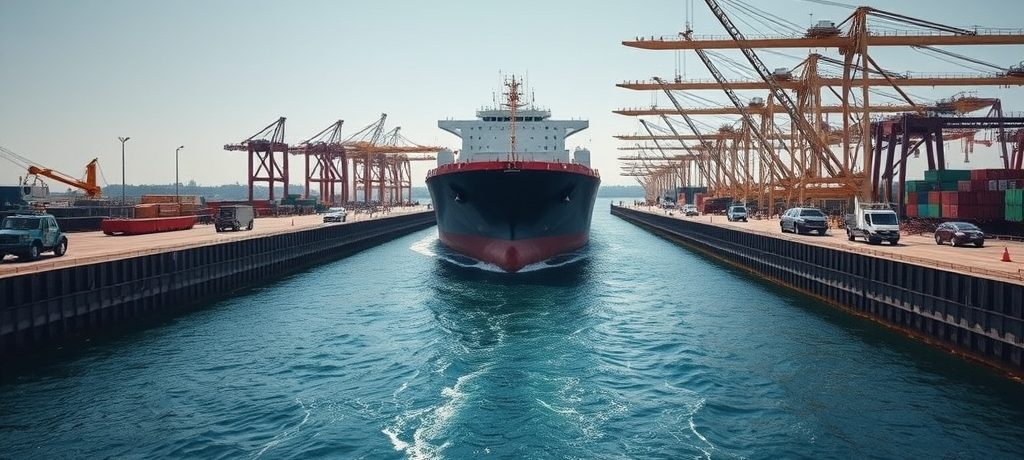
Crude oil prices have edged higher on Monday, June 8, 2026, as the anticipated reopening of the Strait of Hormuz continues to face delays. This persistent blockage, coupled with reports indicating a hardline stance from Iran, has driven WTI Crude Oil for July month delivery up by $0.52, or 0.57%, to $91.06 per barrel, according to RTTNews.
The rise in oil prices underscores the fragility of the Middle East’s geopolitical landscape, particularly concerning the vital shipping lane. Despite assurances from U.S. President Donald Trump regarding a potential peace deal, the situation remains volatile, directly impacting global energy markets.
Escalating Tensions Derail Peace Prospects
The recent surge in crude oil prices is directly linked to a series of escalating events that have undermined efforts towards a U.S.-Iran peace deal. Over the past few weeks, U.S. and Iranian negotiators had exchanged draft agreements for a Memorandum of Understanding, which notably included provisions for the immediate reopening of the Strait of Hormuz.
Following intense mediation by the U.S. for two days, Israel and Lebanon jointly announced a ceasefire last Wednesday, signaling a potential de-escalation of long-simmering Middle East tensions. However, this fragile peace was quickly shattered by reports of Israel carrying out strikes in Beirut, targeting the Iran-backed Hezbollah militant group. Iran swiftly condemned these actions, accusing Israel of repeatedly violating the ceasefire.
On Sunday, Iran retaliated by commencing a series of attacks on Israel, executing nearly 11 strikes. This offensive significantly diminished expectations of a U.S.-Iran peace deal. To prevent further escalation, U.S. President Donald Trump reportedly spoke to Israeli Prime Minister Benjamin Netanyahu, urging him to refrain from retaliatory strikes. Despite this intervention, Israel conducted strikes in western and central Iran. Both nations later announced a halt to their attacks following Trump’s continued involvement.
However, the Iranian military command issued a stern warning, threatening more severe attacks on Israel if it were to strike southern Lebanon again. The Israeli Defense Forces confirmed today that the Israeli Air Force struck several targets in the petrochemical complex in the Mahshahr area, further highlighting the ongoing hostilities.
Hormuz Blockade Persists, Global Supply Impacted
The Strait of Hormuz has remained effectively shut since February 28, marking the start of what the source describes as the U.S.-Israel versus Iran war. This prolonged closure has led to a collapse in traffic across the strait by nearly 90% compared to pre-war levels. Despite the conflict entering its fourth month, and numerous rounds of negotiations and exchanges between the U.S. and Iran, a comprehensive peace deal has yet to be announced, challenging Trump’s repeated reassurances.
Today, President Trump posted via Truth Social that Israel and Iran have agreed to a ceasefire and hinted that final negotiations on a U.S.-Iran deal are proceeding. He also confirmed that the blockade he imposed on all ships traveling to and from Iranian ports would remain in place until a final agreement is reached.
The ongoing blockage has significant implications for global oil supply. While the Organization of Petroleum Exporting Countries (OPEC) decided to add another 188,000 barrels of crude to its collective production, and has endorsed a series of output hikes totaling nearly 600,000 barrels daily since April, the disruption in Hormuz has made it difficult for major producers to restore output levels effectively.
Regional Instability and New Shipping Threats
The broader regional instability continues to cast a long shadow over energy markets. Iran’s Tasnim News Agency, citing a military source, reported that Iran has made full preparations for a prolonged war with Israel and for striking U.S. assets in the region, confirming that sufficient and necessary measures for such a scenario have been put in place.
In response to months of traffic disruption around the Hormuz strait, the Red Sea had emerged as an alternative route, allowing shipments to bypass the Persian Gulf. However, this alternative now faces its own challenges. Today, Yemen’s Houthi militant group announced imposing a complete and total ban on Israeli navigation in the Red Sea, introducing a new layer of complexity and risk to maritime trade in the region.
Amidst these developments, the U.S. Dollar Index was last seen trading at 99.94, down by 0.12, or 0.12%, reflecting the broader market reactions to the geopolitical uncertainties. The confluence of a stalled diplomatic process, persistent blockade of a critical oil chokepoint, and escalating regional threats underscores the precarious state of global energy security and the continued upward pressure on crude oil prices.