Crude oil prices experienced a significant uptick on Tuesday, with West Texas Intermediate (WTI) for August delivery climbing by $2.01, or 2.93%, to settle at $70.56 per barrel. This surge was primarily driven by renewed concerns over a potential escalation of conflict between the U.S. and Iran, following a series of projectile attacks targeting commercial tankers navigating the strategically vital Strait of Hormuz.
Tanker Incidents Spark Fresh Tensions
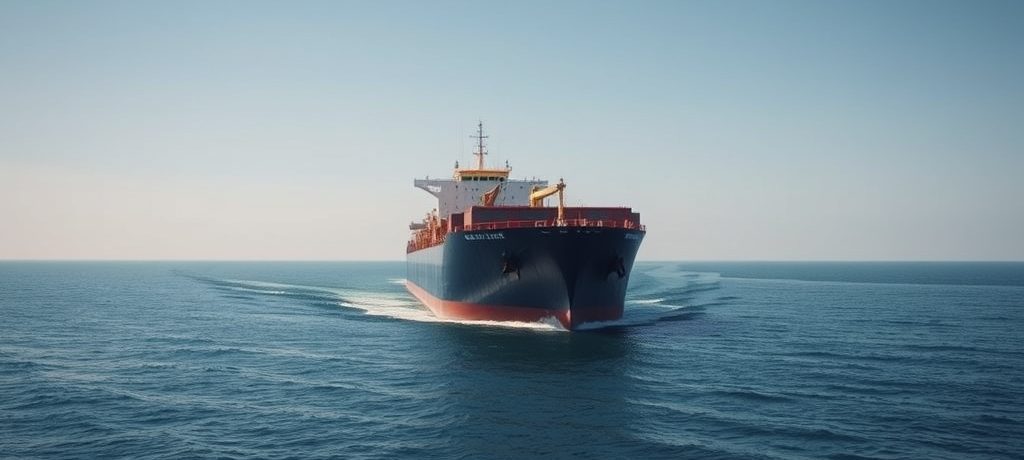
The immediate catalyst for the market’s reaction was a series of incidents reported by the U.K. Maritime Trade Operations (UKMTO) center. At least three tankers were struck by projectiles while transiting the Strait of Hormuz. In one notable event, a Qatari tanker named Al Rekayyat, laden with Liquefied Natural Gas (LNG), sustained a strike on its port side by an unknown projectile. This occurred approximately eight nautical miles east of Limah in Oman, while the vessel was sailing south through Omani waters. The impact ignited a fire, though no casualties or environmental damage were reported.
Iran’s state media subsequently reported that the Al Rekayyat had been attacked after allegedly disregarding warnings. However, Iran did not officially claim responsibility for the assault. Contradicting this, Axios, citing two U.S. officials, reported that Iran’s military had fired at least two missiles at commercial ships in the Strait of Hormuz the previous night. Further reports from the Associated Press indicated that another oil tanker was hit on its left side while exiting the Omani-Emirati border, and a third vessel was struck by a drone off the coast of Oman. Both of these latter incidents resulted in only minor damages, allowing the tankers to continue their voyages to their intended destinations. Following these events, the UKMTO issued an advisory, urging all vessels in the area to exercise caution and promptly report any suspicious activity.
Fragile Truce Under Threat
These attacks represent a significant setback to recent efforts aimed at de-escalating tensions in the region. Just weeks prior, on June 17, the U.S. and Iran had entered into a Memorandum of Understanding (MoU), agreeing to a 60-day cessation of mutual attacks. This agreement had led to the reopening of the Strait of Hormuz by Iran, facilitating the resumption of shipping traffic across the Persian Gulf and temporarily easing concerns regarding crude oil and energy supply. Data from Kpler indicated that over the last weekend alone, approximately 108 ships had successfully traversed the strait via various routes, underscoring the vital role of the waterway in global energy trade.
Despite the MoU, underlying disagreements persist regarding navigation rights. Iran has consistently insisted that all tankers should exclusively use Iran-chartered sea routes within the strait and coordinate with Iran’s Islamic Revolutionary Guards Corps (IRGC), warning of forceful responses for non-compliance. In stark contrast, U.S. leaders have maintained that the Strait of Hormuz is, and will remain, free for all international ships, irrespective of any finalized deal with Iran.
Broader Market Dynamics and Diplomatic Efforts
The recent attacks have reignited a ‘war premium’ associated with crude oil, which had largely diminished since the June 17 agreement. Prior to these incidents, the broader oil market had shown signs of easing supply concerns. Saudi Arabia’s Aramco, for instance, had slashed the price of its flagship Arab Light Crude for Asian buyers by $11 from August, placing it at nearly a $1.50 discount to the regional benchmark. Furthermore, member nations of the Organization of Petroleum Exporting Countries (OPEC+) had agreed on Sunday to raise their collective production quotas by 188,000 barrels per day starting in August.
Iran itself had significantly ramped up its crude oil exports since June 17, following the temporary lifting of U.S. sanctions on Iranian oil and the cessation of its naval blockade on Iranian ports. Vortexa reported that Iran’s export volume had rebounded to a single-day peak of nearly 8 million barrels per day during this period. These developments had contributed to a more stable outlook for global oil supply before the latest flare-up.
Diplomatic channels, though strained, remain open. A preliminary round of initial talks between the U.S. and Iran was held in Qatar last week, with negotiators from both nations reporting positive progress. The next round of discussions is slated to take place after the burial of Iran’s slain leader, Ayatollah Ali Khamenei, which is scheduled for Thursday. However, today’s projectile attacks have cast a shadow over these diplomatic efforts, renewing fears among traders of widespread market disruption should the U.S. opt for a strong retaliatory response, signaling a return to heightened volatility in the Middle East energy landscape.