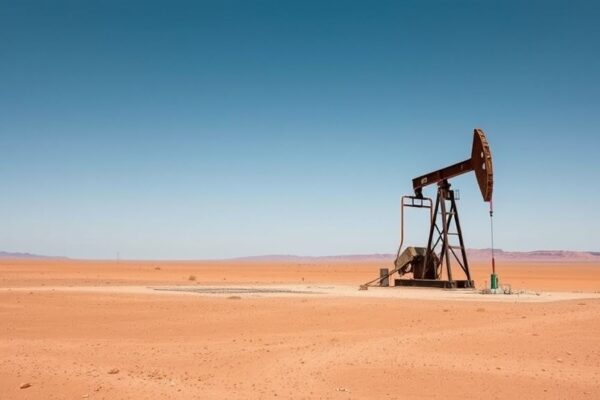
A select group of OPEC+ nations has agreed to increase their oil output targets starting from August, a move intended to address global supply dynamics. This adjustment comes as the broader cartel grapples with significant internal challenges that cast doubt on its long-term cohesion and effectiveness in managing the world’s oil markets.
Despite the forthcoming production hike by a handful of its members, the organization finds itself in a precarious position, reportedly “fighting for its survival.” This existential struggle is primarily attributed to the recent departure of the United Arab Emirates, a key member whose exit introduces considerable uncertainty into the cartel’s operational dynamics and collective decision-making power. The UAE’s move signals a potential fracturing within the alliance, challenging its historical role as a unified front for oil policy.
The decision by these OPEC+ members to boost supply from next month highlights a complex balancing act between market demands and internal stability. While aiming to meet global energy requirements, the group simultaneously confronts the fragmentation of its membership. The loss of the UAE underscores a potential shift in allegiances and strategic priorities among major oil producers, complicating future efforts to coordinate production levels effectively and maintain pricing power.
Industry observers suggest that the cartel’s ability to maintain its influence will hinge on how it navigates these internal divisions. The immediate focus on increasing output may offer short-term market stability, but the underlying structural issues, particularly the defection of significant members, pose a more profound threat to OPEC+’s enduring role and relevance in the evolving global energy landscape.