The Philippine peso’s brief relief rally, sparked by an initial US-Iran ceasefire, is anticipated to be short-lived as seasonal selling pressures and underlying economic vulnerabilities are expected to drive the currency to new record lows, according to strategists.
Seasonal Headwinds Emerge
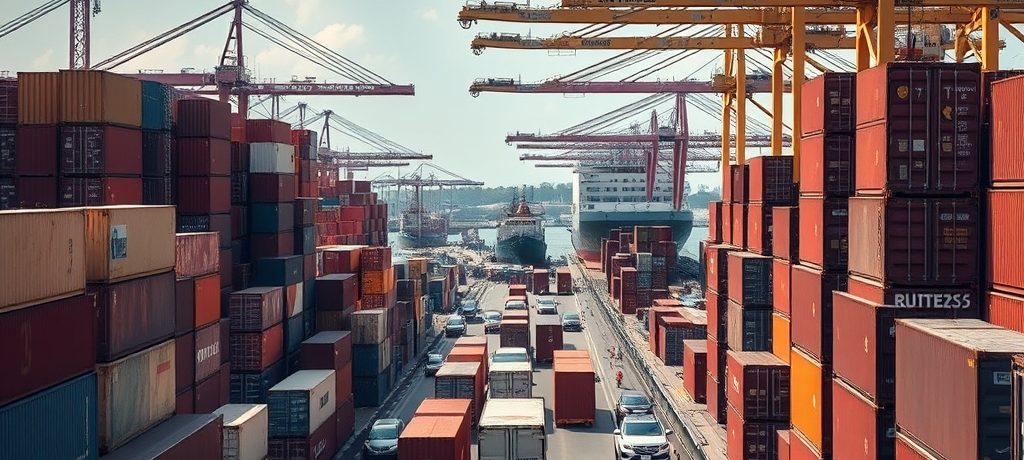
Historically, the third quarter has proven to be the most challenging period for the peso. Data compiled by Bloomberg indicates that the currency has weakened an average of 1.6% against the dollar in the third quarter over the past decade, marking its worst performance across any three-month period. This consistent depreciation is primarily attributed to local companies increasing their dollar purchases to settle import payments in anticipation of the year-end busy season.
Michael Ricafort, an economist at Rizal Commercial Banking Corp. in Manila, elaborated on this trend, stating, “There’s a seasonal increase in demand for US dollars by importers in the third quarter, as import activities pick up in preparation for demand at year-end.” Ricafort projects the peso could decline to as weak as 62 per dollar this quarter. The currency closed Friday at 61.51 per dollar, having already given up most of its recent gains.
Underlying Economic Pressures Intensify
Beyond seasonal factors, the peso faces a confluence of persistent weakening pressures. The Philippines’ gross domestic product (GDP) grew by only 2.8% in the first quarter from the previous year, marking the slowest pace outside the pandemic since the end of 2009. Concurrently, household spending registered its weakest performance since 2010. These figures underscore an anemic domestic economic environment.
Adding to the domestic concerns, the central bank has revised its projection for the balance of payments deficit, now expecting it to widen to $10.7 billion this year, a significant increase from an earlier estimate of $7.8 billion. This widening deficit is partly a consequence of global growth constraints exacerbated by Middle East tensions.
External Factors and Analyst Forecasts
External pressures are also weighing heavily on the peso. Kausani Basak, a foreign-exchange analyst at Australia & New Zealand Banking Group Ltd., noted, “We expect the peso to underperform most Asian currencies due to soft domestic growth, persistent external pressures and a large trade deficit that leaves the Philippines more vulnerable than many regional peers.” Basak further warned that “A hawkish Federal Reserve would likely add to depreciation pressures.” ANZ forecasts the peso could weaken to 62.5 per dollar by the end of September.
A Brief Respite and Its Reversal
The peso experienced a temporary surge of more than 1% on June 15 following the agreement of a US-Iran ceasefire. This development drove down oil prices, offering a momentary reprieve for the energy-importing nation’s finances. However, the currency has since relinquished those gains, although it remains stronger than its record low of 61.750 per dollar set in April and has outperformed most of its Southeast Asian peers over the period.
Upcoming Data and Future Determinants
Investors will closely monitor upcoming economic data for further insights into the peso’s trajectory. The next key data point will be overseas cash remittance data, due Wednesday. Central bank data released last month showed that money sent back to the Philippines increased by 2% in April from a year earlier, representing the slowest pace of growth since May 2022.
Christopher Wong, a strategist at Oversea-Chinese Banking Corp. in Singapore, emphasized the need for fundamental improvements. “Domestic fundamentals still need to improve for peso gains to extend more convincingly,” he stated. Wong identified two critical determinants for the peso’s future path: “whether oil prices remain lower for longer, and whether hawkish bets for the Fed will abate moving forward.”
With seasonal dollar demand, sluggish domestic growth, a widening balance of payments deficit, and external headwinds from global tensions and a potentially hawkish Federal Reserve, the Philippine peso faces significant challenges that threaten to push it to new record lows, underscoring the need for a sustained improvement in fundamental economic conditions.