Prime Minister Andy Burnham has conceded that the government’s recently announced measures to alleviate the cost of living crisis are insufficient on their own, hinting at a forthcoming “accumulation of smaller things” designed to ease household financial pressures. Speaking on BBC’s Wake up to Money, Mr. Burnham, who took office three weeks ago, outlined a strategy that includes an overhaul of train fares and increased public control over vital sectors such as energy, water, and housing, though specific details remain pending.
nn
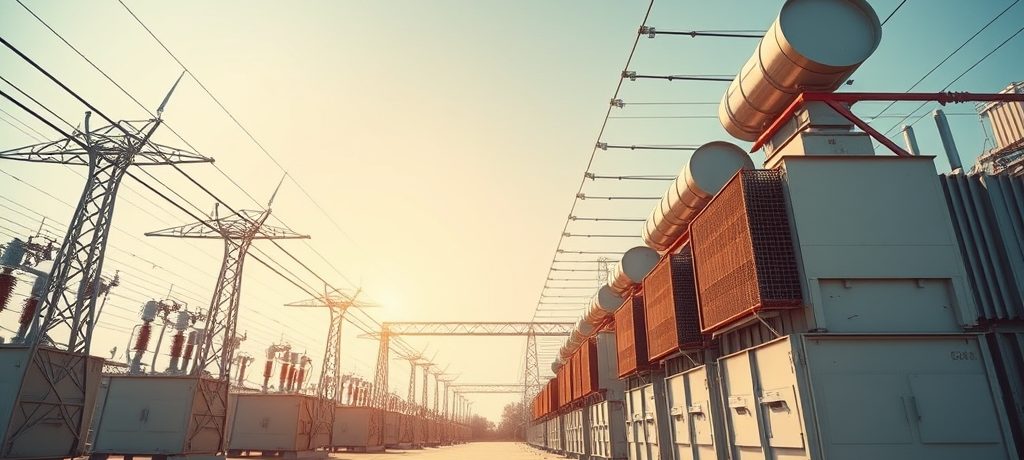
Since assuming leadership, Mr. Burnham’s administration has introduced several initiatives aimed at providing immediate relief. These include the removal of VAT from domestic electricity bills and the expedited implementation of an end to “subscription traps.” Additionally, the government recently announced that households within 1,600ft (500m) of new upgraded electricity pylons and substations across Britain will receive a £250 annual discount on their bills for a decade. Despite these actions, the Prime Minister acknowledged the public’s concerns regarding their efficacy.
nn
“I can accept criticism that this isn’t enough, because I wouldn’t say it’s enough,” Mr. Burnham stated, defending his approach as pragmatic. “But I take an approach to politics where I do what I can, when I can. Just take that little bit of pressure off and address an issue that you know needs addressing. It’s not the end of the story.” This incremental strategy underscores a recognition of the scale of the economic challenges facing households across the UK.
nn
Future Reforms: Public Control and Rail Modernisation
nn
Looking ahead, Mr. Burnham articulated a vision for more fundamental changes, suggesting that “more public control of essential services” like water, energy, and housing could provide a “more substantial answer to the cost of living crisis.” While acknowledging the complexity of reversing the 1980s privatisation of water companies in England and Wales, he affirmed, “But very much, I’m looking at what can be done. Same with energy.”
nn
In the transport sector, following the return of rail operators to public ownership, the Prime Minister expressed a desire to “remodel the rail fares so that we can get more public benefit for people.” These long-term structural reforms signal a potential shift in government policy towards greater state intervention in key utilities and infrastructure, aiming to reduce costs for consumers through systemic changes rather than solely through direct financial aid.
nn
Fiscal Discipline Meets Economic Pressure
nn
The path to implementing these ambitious plans is complicated by the government’s commitment to fiscal prudence. Mr. Burnham confirmed that he has tasked Chancellor John Healey with making the cost of living the “main focus” of the upcoming Budget on 28 October. However, Mr. Healey has simultaneously emphasised his intention to oversee “strong fiscal discipline,” a stance that will inevitably limit the government’s spending capacity.
nn
This commitment to fiscal restraint comes amidst warnings from a major think tank that the government may need to either raise taxes or cut spending to meet its pledges on defence and the cost of living. This creates a delicate balancing act, particularly given Labour’s manifesto pledge to avoid increasing taxes for working people, including income tax, VAT, and National Insurance Contributions (NICs), a commitment Mr. Burnham has vowed to uphold.
nn
Business Support and Tax Considerations
nn
Beyond household support, the government is also facing pressure to address rising costs for businesses. Previous budgets under Rachel Reeves saw increases in employer’s national insurance and minimum wages, which have added to operational burdens. Last month, Mr. Burnham announced a 20% cut to business rates for pubs, social clubs, and live music venues in England from April, describing it as a “first step” for the industry.
nn
The Prime Minister acknowledged the impact of the national insurance hike on businesses, telling the BBC that it had “added pressure.” He indicated that the government would examine business rates “more broadly,” stating, “I would like to bring down the cost of doing businesses. I want to make high streets more vibrant across the country. I know that cannot be done by simply wishing it.” However, he refrained from making further specific commitments, deferring them to the forthcoming Budget.
nn
As Prime Minister Burnham embarks on a UK tour during the parliamentary recess, his administration faces the dual challenge of delivering tangible relief to households and businesses grappling with elevated costs, while simultaneously adhering to strict fiscal parameters. The October Budget, under Chancellor Healey’s stewardship, is anticipated to be a pivotal moment for outlining the government’s comprehensive strategy to navigate these complex economic headwinds, with a clear emphasis on long-term structural reforms alongside immediate, targeted interventions.